Author: whitehorseins2021@gmail.com whitehorseins2021@gmail.com

  • Top InsurTech Trends in India Shaping the Future of Insurance

    Top InsurTech Trends in India Shaping the Future of Insurance

    The Indian insurance industry is undergoing rapid digital transformation, with technology becoming the driving force behind innovation. The rise of InsurTech — a blend of insurance and technology — has reshaped how policies are sold, managed, and claimed.

    From personalized digital platforms to AI-powered claim settlements, InsurTech trends India are redefining the customer experience and making insurance more accessible, transparent, and efficient.


    What Is InsurTech?

    InsurTech refers to the use of technology to improve and simplify insurance services. It includes innovations like mobile-based policy management, data analytics, automation, blockchain, and artificial intelligence that make insurance faster and more customer-centric.

    In India, InsurTech startups and established insurers are leveraging these tools to reach underinsured populations and modernize traditional insurance operations.


    InsurTech trends India

    1. Artificial Intelligence and Automation

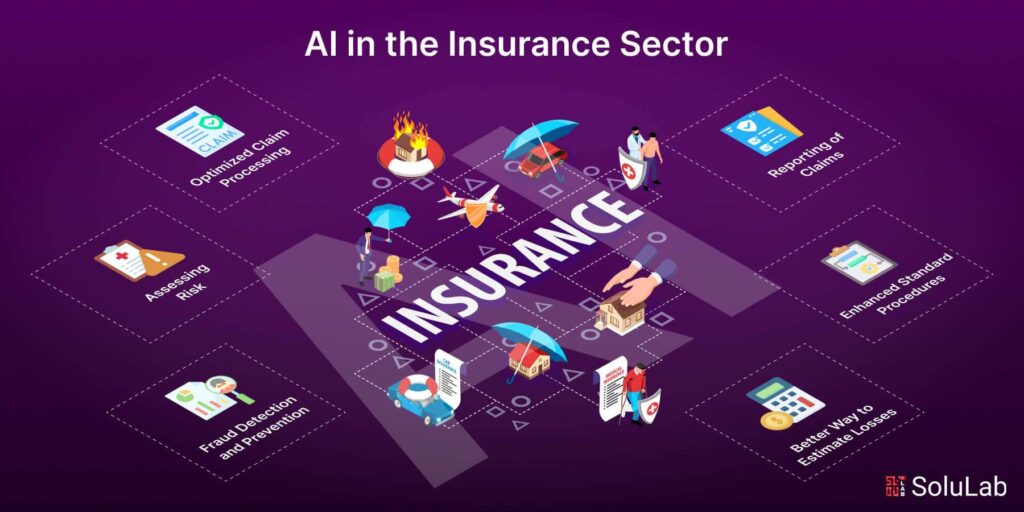
    AI is at the core of the digital insurance revolution. From customer support chatbots to AI-driven underwriting, automation is streamlining every step of the process.

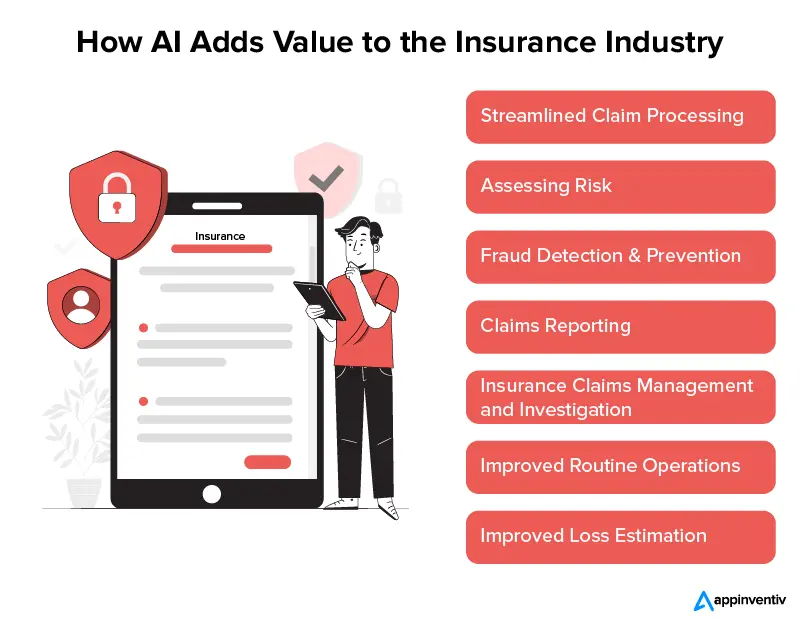
    AI helps insurers predict customer needs, detect fraud, and process claims faster — reducing costs and improving customer satisfaction.


    2. Usage-Based and On-Demand Insurance

    Modern consumers seek flexibility, and usage-based insurance (UBI) is answering that demand. Policies now adapt to how and when people drive, travel, or use gadgets.

    “Pay-as-you-drive” car insurance and “trip-based” travel insurance are perfect examples of how InsurTech trends India are redefining coverage models.


    3. Blockchain for Transparency

    Blockchain technology is enhancing trust between insurers and customers by enabling secure, tamper-proof data sharing. It simplifies claim validation and reduces fraud, ensuring faster settlements and transparent records.


    4. Digital Distribution and Embedded Insurance

    InsurTech has made buying insurance as easy as shopping online. Digital platforms and apps allow users to compare policies, renew online, and make claims instantly.

    Embedded insurance — where protection is automatically included with products like flights, phones, or loans — is also becoming a major trend in India.


    InsurTech trends India

    5. Predictive Analytics and Big Data

    Insurers now use big data and predictive analytics to assess risks more accurately. By analyzing customer behavior, lifestyle, and health data, they can offer more personalized insurance plans at competitive prices.


    6. Cloud-Based Solutions

    Cloud computing enables insurers to handle massive amounts of data efficiently, support online customer service, and offer remote policy management. It also helps InsurTech companies scale their operations quickly.


    7. Cyber Insurance and Data Security

    With growing digital adoption comes a rise in cyber risks. InsurTech companies are responding by developing specialized cyber insurance products for individuals and businesses to protect against data breaches, ransomware, and digital fraud.


    8. Collaboration Between Insurers and Startups

    Traditional insurance providers are partnering with agile InsurTech startups to accelerate innovation. These collaborations combine regulatory experience with technological creativity, resulting in smarter, faster, and more user-friendly solutions.


    The Future of InsurTech in India

    The future of insurance in India lies in personalization, automation, and digital-first experiences. As regulatory frameworks evolve and technology becomes more affordable, InsurTech adoption will continue to expand across rural and urban markets.

    In the coming years, expect AI-driven advisors, instant claims via mobile apps, and even insurance policies tailored through real-time data analytics.


    Conclusion

    InsurTech trends in India are redefining the way insurers and customers interact. With technology at its core, the industry is becoming more transparent, efficient, and customer-focused.

    For both policyholders and insurers, this digital transformation marks a new era of convenience and trust in the insurance ecosystem.

  • AI in Insurance Claims in India: Transforming the Future of Claim Processing

    AI in Insurance Claims in India: Transforming the Future of Claim Processing

    The insurance industry in India is undergoing a major technological shift, and Artificial Intelligence (AI) is at the heart of this transformation. From policy management to risk analysis, AI is redefining how insurers operate. One area where it’s making a significant impact is claims processing — helping companies deliver faster, more accurate, and transparent results.

    This blog explores how AI in insurance claims India is changing the landscape for both insurers and policyholders.


    What Is AI in Insurance Claims?

    AI in insurance claims refers to the use of advanced technologies like machine learning, natural language processing (NLP), and computer vision to automate and optimize the claim lifecycle.

    From claim registration and verification to settlement, AI helps reduce manual errors, speed up assessments, and detect potential frauds in real time.


    How AI Is Revolutionizing Insurance Claims in India

    1. Automated Claim Processing
      AI-powered systems can process claims automatically by analyzing submitted data, documents, and photos — reducing processing time from days to minutes.
    2. Fraud Detection
      AI models identify suspicious patterns, inconsistencies, or duplicate claims, allowing insurers to detect fraud early and save substantial losses.
    3. Faster Claim Settlements
      With automation, policyholders get quicker responses and faster payouts, improving customer satisfaction.
    4. Improved Risk Assessment
      AI uses large datasets to evaluate risk profiles more accurately, ensuring fair claim settlements and premium pricing.
    5. Chatbots and Virtual Assistants
      AI chatbots help policyholders file claims, upload documents, and track status instantly — offering 24/7 customer support.

    AI in insurance claims India

    Benefits of AI in Insurance Claims for Policyholders

    • Speed and Efficiency: Instant claim registration and verification.
    • Accuracy: Reduced human errors during assessment.
    • Transparency: Real-time updates on claim status.
    • Fairness: Objective evaluation of claims without bias.

    For insurers, AI reduces operational costs, minimizes fraud, and enhances data-driven decision-making.


    Examples of AI in Action in Indian Insurance

    Many leading insurers in India are already adopting AI-driven solutions:

    • ICICI Lombard uses AI tools for instant motor claim approvals.
    • HDFC ERGO applies AI for automated health claim adjudication.
    • Bajaj Allianz leverages image recognition to assess car damage.

    These innovations demonstrate how AI in insurance claims India is improving both customer experience and operational efficiency.


    Challenges of Implementing AI in Claims

    While promising, AI implementation also comes with challenges such as:

    • Data privacy and compliance concerns.
    • High initial setup costs.
    • Need for skilled personnel to manage AI systems.

    However, with IRDAI’s focus on digital transformation, these hurdles are gradually being addressed.


    AI in insurance claims India

    The Future of AI in Insurance Claims in India

    As insurers invest in data analytics and automation, AI will become a core part of every stage of the claim process. In the coming years, we can expect:

    • Fully digital, paperless claim systems.
    • Predictive claim management for early fraud alerts.
    • Voice- and image-based claim submissions through mobile apps.

    AI will make insurance claims faster, fairer, and more customer-centric than ever before.


    Conclusion

    AI in insurance claims in India is no longer a futuristic concept — it’s a present-day reality driving massive improvements in speed, accuracy, and customer experience.

    By embracing AI, insurance companies can deliver seamless claim settlements while policyholders enjoy transparency and trust in the process.

  • Home Contents Insurance Policy in India: Protect What Truly Matters

    Home Contents Insurance Policy in India: Protect What Truly Matters

    Your home is more than just walls — it’s where your memories, valuables, and comfort reside. While homeowners often insure the structure of their property, many overlook the importance of insuring what’s inside. A home contents insurance policy in India provides crucial protection for your personal belongings against loss or damage due to unforeseen events.


    What Is a Home Contents Insurance Policy?

    A home contents insurance policy covers the items inside your home — such as furniture, electronics, jewelry, appliances, and other valuables — against risks like fire, theft, natural calamities, and accidental damage.

    It ensures that even if an unexpected disaster strikes, you can recover financially without bearing the entire loss yourself.


    What Does Home Contents Insurance Cover?

    Most comprehensive home contents insurance policies in India include coverage for:

    1. Fire and Natural Disasters: Protection against fire, earthquake, flood, lightning, and storm damage.
    2. Burglary and Theft: Compensation for stolen or damaged items due to a break-in.
    3. Accidental Damage: Coverage for damages caused by accidents within the home.
    4. Electrical or Mechanical Breakdown: For high-value appliances or gadgets.
    5. Temporary Accommodation: If your home becomes uninhabitable after an insured event.

    Optional add-ons can also cover items like jewelry, laptops, or art kept inside or outside the home.


    home contents insurance policy India

    Why You Need Home Contents Insurance in India

    1. Rising Replacement Costs: With the increasing cost of electronics, furniture, and luxury goods, replacing damaged or stolen items can be expensive.
    2. Protection from Natural Calamities: India’s diverse climate poses frequent risks like floods or earthquakes.
    3. Peace of Mind: You can live stress-free knowing your valuables are protected.
    4. Ideal for Tenants: Even if you don’t own your home, contents insurance protects your belongings.

    Who Should Buy a Home Contents Insurance Policy?

    • Homeowners: To safeguard both the building and its contents.
    • Tenants: To protect personal possessions from loss or damage.
    • Frequent Travelers: To stay covered when away from home.
    • Families with High-Value Assets: For jewelry, electronics, and premium furniture.

    home contents insurance policy India

    How to Choose the Right Home Contents Insurance Policy

    1. Evaluate Your Belongings: Create an inventory and estimate their total value.
    2. Check Policy Exclusions: Understand what’s not covered (e.g., wear and tear, intentional damage).
    3. Compare Premiums and Coverage: Don’t just pick the cheapest — choose the most comprehensive.
    4. Review Add-On Covers: Opt for extra protection for high-value items or accidental damage.

    Popular Insurers Offering Home Contents Cover in India

    Several insurance providers in India offer customizable contents insurance, including:

    • HDFC ERGO General Insurance
    • ICICI Lombard
    • Bajaj Allianz
    • SBI General Insurance
    • Tata AIG

    Each provides options for standalone contents cover or as part of a home insurance package.


    Conclusion

    A home contents insurance policy in India is essential for protecting your valuable belongings from unforeseen risks. Whether you’re a homeowner or tenant, it ensures that your financial stability remains intact even after a loss.

    Investing in this coverage today means safeguarding the things that make your house a home.

  • Usage-Based Car Insurance in India: Pay As You Drive Explained

    Usage-Based Car Insurance in India: Pay As You Drive Explained

    Traditional car insurance policies in India charge you a fixed premium regardless of how often you drive. But what if you could pay only for the distance you cover? That’s exactly what usage-based car insurance India offers — a smarter, fairer, and more affordable way to insure your car.

    What Is Usage-Based Car Insurance?

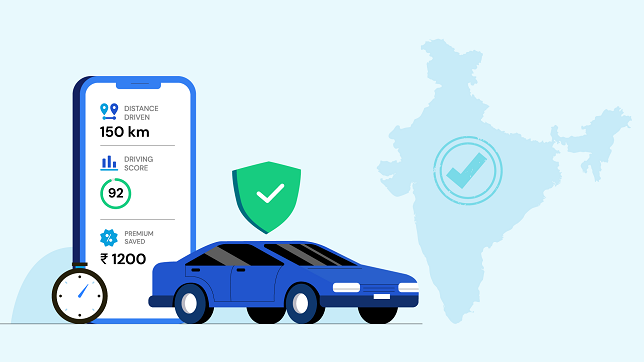
    Usage-based car insurance (UBI), also known as “Pay As You Drive” (PAYD) or “Pay How You Drive” (PHYD) insurance, is a modern insurance model that calculates premiums based on your driving behavior and distance covered.

    The insurer tracks your vehicle usage through telematics devices, mobile apps, or connected car systems to determine how safely and how often you drive.

    How Does Usage-Based Car Insurance Work?

    When you buy a usage-based policy, your insurer installs a telematics device in your car or connects it via an app. This technology collects data such as:

    • Total distance driven
    • Speed patterns and braking behavior
    • Time of driving (day or night)
    • Route and traffic conditions

    Based on this data, the insurer calculates your premium — meaning safer and less frequent drivers pay less.

    usage-based car insurance India

    Benefits of Usage-Based Car Insurance in India

    1. Cost Savings for Low-Mileage Drivers
      If you drive occasionally or only short distances, you can save significantly on premiums compared to traditional plans.
    2. Encourages Safe Driving
      Insurers reward careful drivers with discounts or bonus points, reducing accident risks and promoting responsible driving habits.
    3. Customizable and Transparent Pricing
      You pay for exactly what you use — no hidden costs, no overpayment.
    4. Ideal for Urban Commuters
      City dwellers who use public transport or drive only on weekends can benefit the most from usage-based policies.
    5. Technology-Driven Insights
      Telematics helps monitor vehicle health and driving behavior, offering valuable data for maintenance and safety.

    Who Should Opt for Usage-Based Car Insurance?

    • Occasional Drivers: People who use their car rarely or have a secondary vehicle.
    • Senior Citizens: Who drive short distances or less frequently.
    • Work-from-Home Professionals: Who don’t commute daily.
    • Car Fleet Owners: To monitor and manage driver performance efficiently.

    Challenges and Limitations

    While usage-based car insurance India is innovative, it’s still emerging. Some challenges include:

    • Limited availability among Indian insurers.
    • Dependence on consistent telematics data.
    • Privacy concerns over location tracking.

    However, as technology adoption grows, these challenges are quickly being addressed by insurers and regulatory bodies.

    usage-based car insurance India

    Leading Insurers Offering Usage-Based Plans in India

    Several top insurers in India have started offering “Pay As You Drive” car insurance policies, such as:

    • HDFC ERGO General Insurance
    • ICICI Lombard
    • Bajaj Allianz
    • Tata AIG
    • Go Digit

    These companies allow policyholders to choose between distance-based or behavior-based premium models depending on driving patterns.

    Future of Usage-Based Car Insurance in India

    With India’s growing adoption of connected vehicles and digital insurance, usage-based car insurance is set to become the future of motor coverage. The Insurance Regulatory and Development Authority of India (IRDAI) has also supported this innovation to encourage fair and flexible insurance options.

    Conclusion

    Usage-based car insurance in India is transforming how people think about motor insurance. It empowers drivers to take control of their premiums, rewards responsible driving, and promotes smarter use of vehicles.

    If you’re a safe, low-mileage driver, opting for usage-based car insurance India can help you save money while staying fully protected on the road.

  • Understanding OPD Cover in Health Insurance: Why It Matters in India

    Understanding OPD Cover in Health Insurance: Why It Matters in India

    Health insurance has become an essential part of financial planning in India, but many people still focus only on hospitalization coverage. What often goes unnoticed is the cost of regular doctor consultations, medicines, and diagnostic tests — expenses that can add up quickly. This is where OPD cover in health insurance plays a crucial role.


    What Is OPD Cover in Health Insurance?

    OPD (Outpatient Department) cover allows policyholders to claim expenses for medical treatments that do not require hospitalization. Unlike traditional health insurance policies that cover only in-patient expenses, OPD coverage includes day-to-day healthcare costs such as consultations, diagnostic tests, and prescribed medicines.

    This makes OPD cover especially useful for individuals and families who frequently visit doctors for minor illnesses or regular health checkups.


    OPD cover health insurance India

    Key Benefits of OPD Cover

    1. Covers Non-Hospitalization Expenses
      You can claim for general doctor visits, diagnostic tests, and even pharmacy bills under the OPD limit of your policy.
    2. Encourages Preventive Care
      Since you can consult doctors and get tests done without worrying about costs, OPD cover promotes preventive health measures.
    3. Useful for Families and Elderly People
      Families with children or senior citizens often have recurring medical expenses. OPD cover helps manage these without affecting other savings.
    4. Tax Benefits
      Premiums paid for health insurance, including OPD cover, are eligible for tax deductions under Section 80D of the Income Tax Act.

    What Does OPD Cover Include?

    The specific inclusions depend on the insurer, but most policies cover:

    • General physician consultations
    • Specialist doctor fees
    • Diagnostic tests such as X-rays, blood tests, or scans
    • Cost of prescribed medicines
    • Minor medical procedures not requiring hospitalization

    What Is Not Covered Under OPD?

    Even though OPD insurance offers broad coverage, it may exclude:

    • Cosmetic or elective treatments
    • Unprescribed or over-the-counter medicines
    • Dental or vision care unless specifically mentioned
    • Non-allopathic treatments, in some cases

    OPD cover health insurance India

    Who Should Opt for OPD Cover?

    • Individuals with chronic conditions such as diabetes or hypertension who require regular consultations.
    • Families with children or elderly members who frequently visit doctors.
    • Urban professionals who prefer cashless OPD services in metro hospitals.

    Choosing the Right OPD Health Insurance Plan

    When selecting a health insurance policy with OPD benefits, consider:

    • The annual OPD limit and whether it suits your healthcare needs.
    • Cashless network of hospitals and clinics.
    • Whether the insurer offers digital claim options.
    • Renewal benefits and no-claim bonus conditions.

    Compare different plans and evaluate how much you typically spend on outpatient consultations annually. This will help you determine if paying extra for OPD coverage makes financial sense.


    Conclusion

    OPD cover in health insurance has become increasingly relevant in India’s changing healthcare landscape. It bridges the gap between hospital-based coverage and everyday medical expenses, ensuring you are financially protected even for smaller, frequent healthcare needs. As healthcare costs continue to rise, opting for a policy with OPD cover can offer long-term savings and peace of mind.

  • Child Education Insurance in India: Secure Your Child’s Future with the Right Policy

    Child Education Insurance in India: Secure Your Child’s Future with the Right Policy

    Every parent dreams of giving their child the best education possible. However, rising tuition fees and the increasing cost of higher education can make this dream difficult to achieve. That’s where child education insurance in India comes in — a smart financial tool that helps you secure your child’s educational future even if life takes an unexpected turn.

    In this blog, we’ll explain what a child education insurance policy is, its benefits, and how to choose the best one for your needs.


    1. What Is Child Education Insurance in India?

    A child education insurance policy is a combination of life insurance and investment designed to ensure that your child’s education is financially secure. In case of any unforeseen event, the policy provides financial support for school or college fees, ensuring that your child’s dreams continue uninterrupted.

    There are two main types of child education plans:

    • Traditional Child Plans: Offer guaranteed returns and a lump-sum payout at maturity.
    • Unit-Linked Insurance Plans (ULIPs): Combine insurance with market-linked investments for potentially higher returns.

    child education insurance India

    2. Why You Need Child Education Insurance in India

    With education costs rising by almost 10–12% annually, relying solely on savings is risky. A child education insurance plan helps you:

    • Build a dedicated education fund over time.
    • Protect your child’s goals even if you’re not around.
    • Ensure financial stability during higher education years.
    • Enjoy tax benefits under Sections 80C and 10(10D) of the Income Tax Act.

    3. Key Benefits of Child Education Insurance

    Here are the top advantages of investing in a child plan:

    • Financial Security: Guarantees your child’s education is not interrupted.
    • Goal-Based Planning: The funds grow in alignment with your child’s future goals.
    • Waiver of Premium: In case of the parent’s death, future premiums are waived, and the plan continues.
    • Dual Benefits: Provides both life cover and investment returns.
    • Flexible Withdrawals: Partial withdrawals can help meet specific milestones like tuition or coaching fees.

    4. How to Choose the Right Child Education Plan

    Choosing the best child education insurance in India depends on a few key factors:

    • Start Early: The earlier you invest, the higher your returns due to compounding.
    • Compare Plans: Use trusted platforms like KaroInsure to compare premiums, benefits, and maturity values.
    • Evaluate Riders: Add riders like accidental death or critical illness for extra protection.
    • Check Flexibility: Look for options to modify premiums or withdrawal terms.

    child education insurance India

    5. Common Mistakes to Avoid

    When buying child education insurance in India, avoid these common errors:

    • Starting late — you’ll miss out on compounding benefits.
    • Choosing a policy without understanding its terms.
    • Ignoring inflation when estimating education costs.
    • Not reviewing your plan periodically.

    6. Why Choose KaroInsure for Child Education Insurance

    At KaroInsure, we simplify the process of finding the right child education insurance in India. You can easily compare policies from leading insurers, get expert guidance, and choose a plan that fits your financial goals.


    Conclusion

    Your child’s education is one of the most important investments you’ll ever make. By securing a child education insurance policy in India, you ensure that no matter what happens, your child’s academic future remains bright and uninterrupted.

    Start planning today with KaroInsure — because your child deserves a future without financial barriers.

  • Online Insurance Renewal in India: A Step-by-Step Guide for a Hassle-Free Experience

    Online Insurance Renewal in India: A Step-by-Step Guide for a Hassle-Free Experience

    Renewing your insurance policy doesn’t have to be a complicated or time-consuming process anymore. With online insurance renewal in India, policyholders can easily extend their coverage from the comfort of their homes. Whether it’s health, motor, or life insurance, online renewal ensures continued protection without the hassle of paperwork or long queues.

    In this guide, we’ll explain how the process works, what to keep in mind before renewal, and why choosing a digital approach is now the preferred way to manage your policies.


    1. What Is Online Insurance Renewal in India?

    Online insurance renewal in India refers to the process of renewing an existing policy through an insurer’s website or app instead of visiting an office or agent. This method allows you to make payments, update details, and receive instant confirmation of renewal — all within minutes.

    Most insurance providers now offer online renewal for:

    • Health insurance
    • Car and bike insurance
    • Term life insurance
    • Travel insurance
    • Home insurance

    online insurance renewal India

    2. Why Renewing Your Policy Online Makes Sense

    Opting for online insurance renewal in India has several advantages, such as:

    • Speed and convenience: Complete the entire renewal process in just a few clicks.
    • Instant policy copy: Get your renewed policy instantly in your email or dashboard.
    • Secure payments: Online portals use encrypted payment gateways to protect your data.
    • Reminders and alerts: Receive automatic notifications before policy expiry.
    • Discounts and offers: Some insurers provide exclusive online renewal discounts.

    3. Step-by-Step Guide to Renewing Insurance Online

    Here’s how you can easily renew your policy online:

    Step 1: Visit your insurer’s website or KaroInsure platform

    Go to the official website of your insurer or a trusted aggregator like KaroInsure.

    Step 2: Log in or enter your policy details

    Provide your policy number, registered mobile number, or email ID to access your renewal details.

    Step 3: Review your policy information

    Carefully verify coverage details, premium amount, and expiry date. If necessary, make updates such as changing contact info or adding riders.

    Step 4: Choose add-ons or riders

    If you need additional protection — for example, zero depreciation in car insurance or critical illness in health plans — you can select them at this stage.

    Step 5: Make a secure online payment

    Use your preferred payment mode (UPI, net banking, or card). You’ll receive instant confirmation once the payment is processed.

    Step 6: Download your renewed policy

    Your updated policy document will be sent to your registered email ID immediately. You can also download it directly from the insurer’s portal.


    4. Common Mistakes to Avoid During Renewal

    While the online renewal process is simple, keep these tips in mind to avoid common issues:

    • Don’t delay renewal until after the policy expiry date.
    • Double-check all personal and policy details before payment.
    • Use official websites or verified platforms like KaroInsure to avoid fraud.
    • Ensure your previous claims are properly recorded and settled.

    online insurance renewal India

    5. Benefits of Timely Online Renewal

    Renewing your policy on time ensures:

    • Uninterrupted coverage — no gaps in your protection.
    • No need for fresh medical tests (for health or term plans, if renewed promptly).
    • Continued no-claim bonus (NCB) benefits in motor insurance.
    • Lower premiums and loyalty rewards for existing customers.

    6. Why Choose KaroInsure for Online Insurance Renewal

    At KaroInsure, you can renew your insurance policies quickly and securely. The platform simplifies comparison, renewal reminders, and customer support — helping you stay protected with minimal effort.


    Conclusion

    Online insurance renewal in India is fast, secure, and convenient — ensuring your coverage never lapses. By following the simple steps above and choosing a reliable partner like KaroInsure, you can protect yourself, your family, and your assets with ease.

    Switch to online insurance renewal in India today — it’s the smarter, safer, and more efficient way to stay insured.

  • Trip Cancellation Insurance in India: Protect Your Travel Plans from Unexpected Losses

    Trip Cancellation Insurance in India: Protect Your Travel Plans from Unexpected Losses

    Travel plans can be unpredictable. Even with careful preparation, unexpected events like illness, emergencies, or natural disasters can force you to cancel a trip. In such cases, Trip Cancellation Insurance in India can save you from significant financial losses. It ensures that the money you’ve already spent on flights, hotels, or tours doesn’t go to waste.


    What Is Trip Cancellation Insurance?

    Trip Cancellation Insurance is a type of travel insurance that provides reimbursement if your trip gets canceled or interrupted due to unforeseen events. This policy covers prepaid, non-refundable expenses such as flight tickets, hotel bookings, and tour packages.

    In India, leading insurance providers offer trip cancellation coverage as part of international and domestic travel insurance plans, making it a must-have for frequent travelers.


    trip cancellation insurance India

    Why You Need Trip Cancellation Insurance in India

    India’s growing travel industry has made travel insurance more essential than ever. Here’s why you should consider getting Trip Cancellation Insurance in India:

    • Unpredictable emergencies: Sudden illness, injury, or the death of a family member can force last-minute cancellations.
    • Natural disasters or political unrest: Events like floods or strikes can disrupt travel schedules.
    • Flight delays and cancellations: Airlines may cancel or reschedule flights due to weather or technical issues.
    • Visa rejection: For international trips, a visa denial can lead to major losses if bookings are already made.

    Having this coverage ensures peace of mind before every trip.


    What Does Trip Cancellation Insurance Cover?

    The specific coverage may vary by insurer, but most policies in India typically include:

    • Trip cancellation: Refunds for prepaid travel expenses if you cancel for covered reasons.
    • Trip interruption: Reimbursement for unused portions of the trip due to emergencies.
    • Delayed departure: Compensation for meals and accommodation during flight delays.
    • Medical emergencies: Coverage for hospitalization and emergency medical transport.
    • Loss of travel documents: Assistance and reimbursement for lost passports or visas.

    What’s Not Covered

    While Trip Cancellation Insurance is comprehensive, there are some exclusions:

    • Cancellations due to personal choice or change of mind.
    • Pre-existing medical conditions unless disclosed.
    • Travel for illegal purposes or under the influence of alcohol.
    • War, terrorism, or government restrictions (unless specified in policy).

    Always review the policy wording carefully before purchasing.


    How Does Trip Cancellation Insurance Work?

    When you cancel your trip due to a valid reason, you can file a claim with your insurance provider. The process usually includes:

    1. Notifying the insurer immediately after the cancellation.
    2. Providing supporting documents, such as flight tickets, medical certificates, or cancellation letters.
    3. Claim assessment by the insurer.
    4. Reimbursement credited to your account within the specified timeframe.

    trip cancellation insurance India

    Benefits of Buying Trip Cancellation Insurance

    • Financial protection: Avoid losing money on non-refundable bookings.
    • Peace of mind: Travel with confidence knowing you’re protected.
    • Worldwide assistance: Get emergency support no matter where you are.
    • Flexibility: Choose coverage for single trips or annual multi-trip plans.

    How to Choose the Right Plan

    When comparing Trip Cancellation Insurance plans in India, consider:

    • Coverage limits and exclusions
    • Claim settlement ratio of the insurer
    • Premium vs. coverage value
    • Availability of 24/7 support and cashless claims

    You can easily compare multiple travel insurance plans on KaroInsure to find the one that best fits your travel needs.


    Why Choose KaroInsure

    KaroInsure makes it simple to explore, compare, and buy the best Trip Cancellation Insurance in India. With transparent policies and trusted insurers, you get complete protection and value for your money.


    Conclusion

    Unforeseen events can disrupt even the most well-planned trips, but you don’t have to bear the financial burden alone. With Trip Cancellation Insurance in India, you can travel confidently, knowing your expenses are protected.

    Choose KaroInsure to compare plans, customize your coverage, and secure your journeys the smart way.

  • Why Critical Illness Cover in India Is So Important

    Why Critical Illness Cover in India Is So Important

    In India, lifestyle diseases are rising rapidly. With increasing cases of cancer, diabetes, and heart ailments, many families find themselves financially unprepared for long-term treatment.

    Here’s why getting a critical illness cover in India is essential:

    1. High Treatment Costs: Major illnesses can cost lakhs in hospital bills, medicines, and follow-up care.
    2. Loss of Income: Serious illness often means taking months off work, leading to reduced income.
    3. Inflation Impact: Medical inflation in India increases healthcare costs by nearly 8–10% annually.
    4. Peace of Mind: You can focus on recovery without worrying about financial pressure.

    Critical Illness Cover India

    How Does Critical Illness Cover Work?

    The process is straightforward:

    1. You purchase a policy with a chosen sum insured (e.g., ₹10 lakh or ₹25 lakh).
    2. If you’re diagnosed with any of the covered illnesses, the insurer pays the lump sum.
    3. You can use this amount however you choose — treatment, recovery, or financial support.

    Once the payout is made, the policy usually terminates. However, some plans offer renewable or multi-claim options for different illnesses.


    Diseases Covered Under Critical Illness Insurance

    Most insurers in India offer coverage for 20 to 40 major diseases, including:

    • Cancer
    • Heart Attack
    • Stroke
    • Kidney Failure
    • Major Organ Transplant
    • Paralysis
    • Multiple Sclerosis
    • Coronary Artery Bypass Surgery

    The list may vary slightly by insurer, so it’s crucial to read the policy document carefully.


    Benefits of Having a Critical Illness Cover in India

    1. Financial Protection: Receive immediate financial help when diagnosed.
    2. Tax Benefits: Premiums qualify for deductions under Section 80D of the Income Tax Act.
    3. Comprehensive Coverage: Covers a wide range of life-threatening illnesses.
    4. Affordable Premiums: You can get high coverage at a relatively low cost.
    5. Flexibility: Use the payout for any need — not just hospital bills.

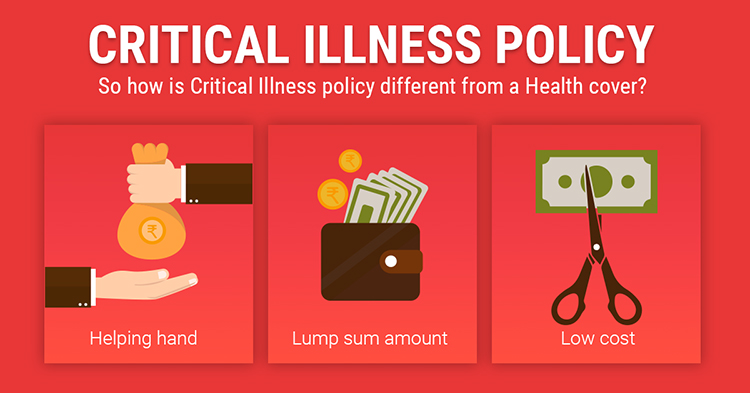
    Difference Between Health Insurance and Critical Illness Cover

    FeatureHealth InsuranceCritical Illness Cover
    Type of BenefitReimburses hospitalization costsLump-sum payout on diagnosis
    Coverage DurationAnnual, renewableFixed-term or standalone
    Claim TriggerHospitalizationDiagnosis of listed illness
    UsageOnly medical billsAny financial need

    For maximum protection, many people combine both — a regular health plan and a critical illness rider.


    Critical Illness Cover India

    Standalone Policy vs. Rider Add-On

    You can buy a critical illness cover as:

    • Standalone Policy: Dedicated plan with comprehensive benefits.
    • Rider Add-On: Additional coverage attached to an existing life or health policy.

    A standalone plan offers wider coverage, while a rider is more cost-effective for those already insured.


    How to Choose the Right Critical Illness Plan

    When selecting a critical illness cover in India, keep these factors in mind:

    1. Coverage List: Check which illnesses are included.
    2. Sum Insured: Choose enough coverage to handle at least 2–3 years of income.
    3. Waiting Period: Most policies have a 90-day waiting period.
    4. Survival Period: Some require survival for 30 days post-diagnosis.
    5. Claim Settlement Ratio: Choose an insurer with a strong claim record.

    At KaroInsure, we compare all these factors to help you find the most transparent and reliable plan available.


    Who Should Buy Critical Illness Cover?

    • Working professionals with dependents.
    • Individuals with family health history of critical diseases.
    • Self-employed or entrepreneurs without a stable income source during illness.
    • People above 30 looking for comprehensive financial protection.

    Buying it early ensures lower premiums and broader coverage.


    Conclusion

    A critical illness cover in India provides much more than just financial aid — it brings peace of mind during the toughest times. With medical inflation on the rise, this coverage acts as a financial shield for you and your loved ones.

    At KaroInsure, we make it easy to compare top insurers, understand benefits clearly, and choose the best critical illness plan for your needs. Don’t wait for a health scare — invest in your security today.

  • How to Insure Your Valuables: Jewellery, Gadgets & More

    How to Insure Your Valuables: Jewellery, Gadgets & More

    We all have things that mean more than their price tag — a family heirloom passed through generations, the diamond ring you saved months for, or the smartphone that holds every memory. Losing them isn’t just a financial blow; it’s emotional.

    That’s why valuables insurance in India isn’t just another policy — it’s a safety net for your most precious possessions. Whether it’s your jewellery, gadgets, or collectibles, insuring them ensures peace of mind against theft, loss, or damage.


    What Is Valuables Insurance?

    Valuables insurance is a specialised coverage that protects high-value personal items from unexpected risks like theft, fire, burglary, or accidental damage.

    • Unlike standard home insurance (which usually offers limited coverage for valuables), this policy provides comprehensive protection for items you truly care about.
    • It’s especially useful for individuals who own multiple luxury items or travel frequently.

    Simply put, valuables insurance in India ensures that even if misfortune strikes, you don’t bear the entire financial burden alone.


    What Items Are Covered Under Valuables Insurance?

    Insurance providers generally allow you to choose what to cover. Here are the common categories:

    • Jewellery & Precious Metals: Gold, diamond, platinum jewellery, gemstones, and ornaments.
    • Electronics & Gadgets: Smartphones, laptops, smartwatches, tablets, and cameras.
    • Art & Collectibles: Paintings, antique pieces, sculptures, and memorabilia.
    • Luxury Items: Designer handbags, branded watches, and musical instruments.
    • Other Personal Assets: Silverware, limited-edition collectibles, or rare coins.

    This flexibility makes valuables insurance ideal for modern lifestyles where people own a blend of traditional and tech-driven valuables.


    Why You Need Valuables Insurance in India

    1. Rising Theft and Burglary Cases: Cities like Delhi, Mumbai, and Bengaluru report increasing cases of theft and break-ins. Insurance ensures you don’t lose both your valuables and your savings.
    2. Protection from Accidents: Fire, floods, or mishandling can cause sudden loss or damage.
    3. Coverage Beyond Home: Many policies extend protection even when you carry valuables outside your home.
    4. Travel Safety: If you travel often with expensive items, global coverage options keep your valuables protected worldwide.
    5. Peace of Mind: The emotional comfort of knowing your most valuable possessions are secure is priceless.

    How Does Valuables Insurance Work?

    Understanding how the policy functions helps you make informed decisions:

    • Assessment & Declaration:
      When buying the policy, you need to declare and value each item you wish to insure. Bills, photographs, or appraisals are required for proof.
    • Policy Coverage:
      It covers events like theft, burglary, accidental loss, fire damage, and sometimes even damage caused during travel.
    • Claim Process:
      • In case of loss or theft, you must report it immediately (with an FIR if required).
      • Submit your claim along with documents such as invoices or photographs.
      • The insurer assesses and compensates you based on the item’s insured value and terms.

    With valuables insurance in India, even the worst-case scenario doesn’t have to mean starting from scratch.


    How to File a Claim for Valuables Insurance

    When an unfortunate incident happens, follow these steps to make your claim smooth and successful:

    1. Notify Your Insurer Immediately: Most insurers have a 24–48 hour window for reporting losses.
    2. File a Police Report (FIR): Required in cases of theft or burglary.
    3. Provide Proof of Ownership: Invoices, photos, or appraisal certificates help verify the item.
    4. Submit a Claim Form: Attach all documents and clearly describe the incident.
    5. Assessment & Settlement: The insurer evaluates the claim and compensates based on policy terms.

    Tip: Always keep copies of documents and receipts in digital form—it makes the process faster and stress-free.


    Tips to Maximise Your Valuables Insurance in India

    1. Keep Proper Documentation: Always store purchase bills and photographs of your items.
    2. Regular Appraisal: Have your valuables re-evaluated every 1–2 years to match market value.
    3. Add a Worldwide Coverage Add-On: Protects valuables even during international travel.
    4. Avoid Underinsurance: Don’t declare lower values to save on premium—it backfires during claims.
    5. Combine with Home Insurance: You can often save more by bundling valuables cover with home protection plans.
    6. Renew on Time: Delays can lapse your coverage, leaving your valuables unprotected.

    What’s Not Covered Under Valuables Insurance

    Even the best policies have exclusions. Common ones include:

    • Normal wear and tear
    • Damage due to negligence or poor maintenance
    • Loss without proof of ownership
    • Damage caused by war, terrorism, or nuclear risks
    • Items stored in unsafe conditions

    Reading your policy fine print helps you avoid surprises during claims.


    Premium Calculation for Valuables Insurance

    Your premium depends on several factors:

    • The total value and type of items insured
    • The risk factor based on location or usage
    • Add-on covers (like global protection or accidental damage)
    • Claim history

    Insurers often offer discounts if you bundle multiple items under one policy or have a home security system installed.


    How to Choose the Right Valuables Insurance Provider

    When comparing options for valuables insurance India, look for:

    • Strong claim settlement ratio
    • 24/7 customer support
    • Flexibility to add or remove items anytime
    • Transparent documentation
    • Trusted brand reputation

    Companies like KaroInsure simplify the process with tailored plans for every need — whether you’re insuring a single heirloom or an entire collection.


    Conclusion

    Your valuables are more than possessions—they’re stories, memories, and milestones. Protecting them is not just practical, it’s emotional. With valuables insurance in India, you ensure that your treasures stay safe against loss, damage, or theft.