Author: whitehorseins2021@gmail.com whitehorseins2021@gmail.com

  • Electric Vehicle (EV) Insurance in India 2025: What Every EV Owner Should Know

    Electric Vehicle (EV) Insurance in India 2025: What Every EV Owner Should Know

    The demand for Electric Vehicle (EV) insurance in India 2025 is growing rapidly as more people switch to sustainable mobility. With rising fuel costs and government incentives promoting EV adoption, understanding how electric vehicle insurance works has become essential for every EV owner. This guide explains everything about EV coverage, add-ons, and trends shaping the future of EV insurance in India 2025.


    Why Electric Vehicle (EV) Insurance in India 2025 Matters

    Electric vehicles come with high-value components like batteries and motors that need specialized protection. The right EV insurance policy helps you cover accidents, theft, and battery damage while complying with India’s insurance laws. In 2025, insurers are tailoring plans specifically for electric vehicles to match their unique repair and replacement costs.

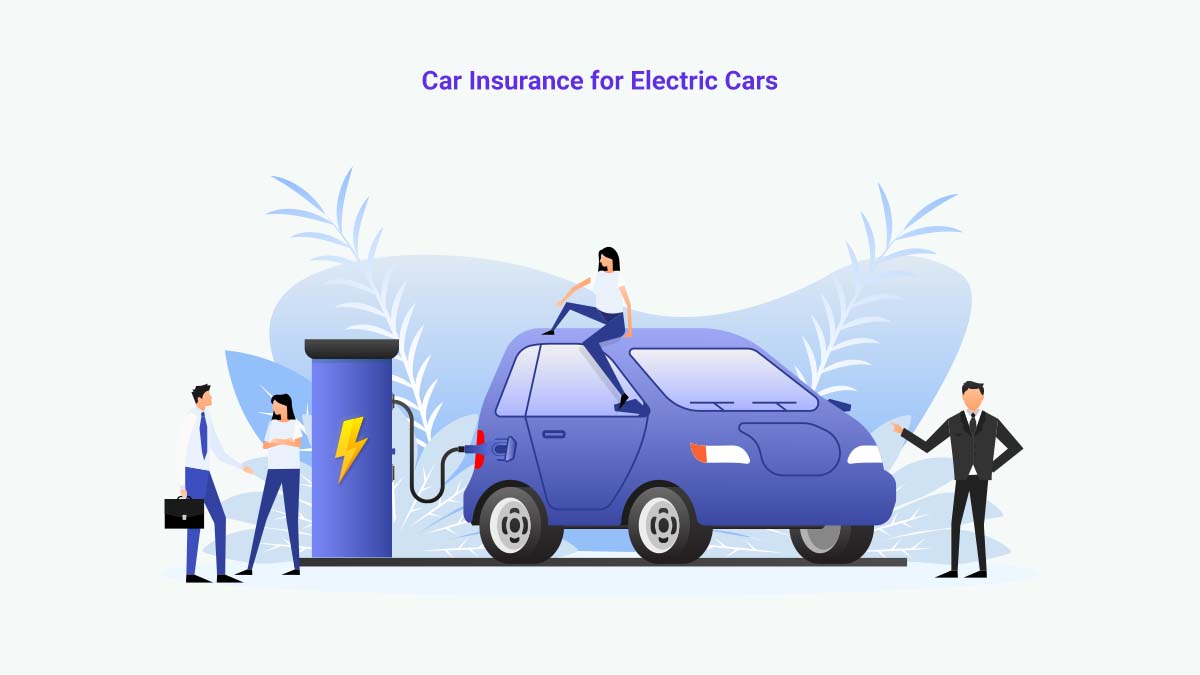
    Electric Vehicle Insurance in India 2025Electric Vehicle Insurance in India 2025

    Types of Electric Vehicle (EV) Insurance in India

    Just like traditional vehicles, electric vehicle insurance in India is divided into two main categories:

    1. Third-Party Liability EV Insurance

    This is mandatory insurance under Indian law. It protects against legal liabilities in case your EV causes damage, injury, or death to a third party. However, it doesn’t cover damages to your own electric car.

    2. Comprehensive EV Insurance Policy

    Comprehensive EV insurance in India 2025 provides complete protection — including theft, natural disasters, fire, battery failure, and more. With this plan, you can also add extra benefits like zero depreciation and roadside assistance.


    Key Features of Electric Vehicle (EV) Insurance Policies

    Modern EV insurance policies in India offer several advanced features designed for electric mobility:

    • Battery protection against damage, fire, or short-circuit
    • Coverage for home and portable chargers
    • Roadside assistance for battery drain situations
    • Cashless claim settlement at authorized EV garages
    • Add-ons like zero depreciation and consumable cover

    These features make electric vehicle insurance in India 2025 more comprehensive and convenient for EV owners.


    Factors Affecting Electric Vehicle Insurance Premiums in 2025

    Your EV insurance premium depends on several key elements:

    1. Vehicle Model and Value

    Premiums are linked to your EV’s Insured Declared Value (IDV). Premium EVs like MG ZS EV or BYD Atto 3 have higher insurance costs than smaller models like Tata Tiago EV.

    2. Battery Capacity

    The battery is one of the most expensive parts of an EV. Its capacity and replacement cost directly impact insurance pricing.

    3. Location

    Urban areas have higher risks of accidents or theft, which raises premiums compared to smaller towns.

    4. Add-ons and Riders

    Choosing add-ons like battery protection or zero depreciation increases coverage — and the overall premium.


    Electric Vehicle Insurance in India 2025

    Popular Add-ons for Electric Vehicle (EV) Insurance in India 2025

    To maximize protection, EV owners should consider these insurance add-ons:

    1. Battery Protection Cover – Covers damage or short-circuit in EV batteries.
    2. Charger Protection – Protects against damage to home or portable chargers.
    3. Zero Depreciation Cover – Ensures full claim settlement without depreciation deduction.
    4. Roadside Assistance – Helps during breakdowns or power loss.
    5. Consumables Cover – Includes lubricants, brake fluids, and coolants.
    6. Return-to-Invoice Cover – Refunds full invoice value in case of theft or total loss.

    These add-ons make electric vehicle insurance in India more reliable and future-ready.


    Top Insurers Offering Electric Vehicle (EV) Insurance in India 2025

    By 2025, several insurers have launched dedicated EV insurance products in India:

    • HDFC ERGO EV Secure Plan
    • ICICI Lombard Green Drive
    • Tata AIG Electric Protect Policy
    • Bajaj Allianz EV Shield
    • ACKO EV Insurance
    • Go Digit EV Policy

    These providers offer digital-first solutions, quick claims, and exclusive battery and charger protection options.


    Benefits of Buying Electric Vehicle Insurance in India

    1. Complete Financial Security: Covers costly EV components like batteries and motors.
    2. Legal Compliance: Meets Indian Motor Vehicles Act requirements.
    3. Peace of Mind: Protection against theft, accidents, and breakdowns.
    4. Eco-Incentives: Some insurers offer discounts for eco-friendly driving habits.
    5. Instant Digital Claims: File and track claims easily through apps.

    Challenges in Electric Vehicle Insurance in India
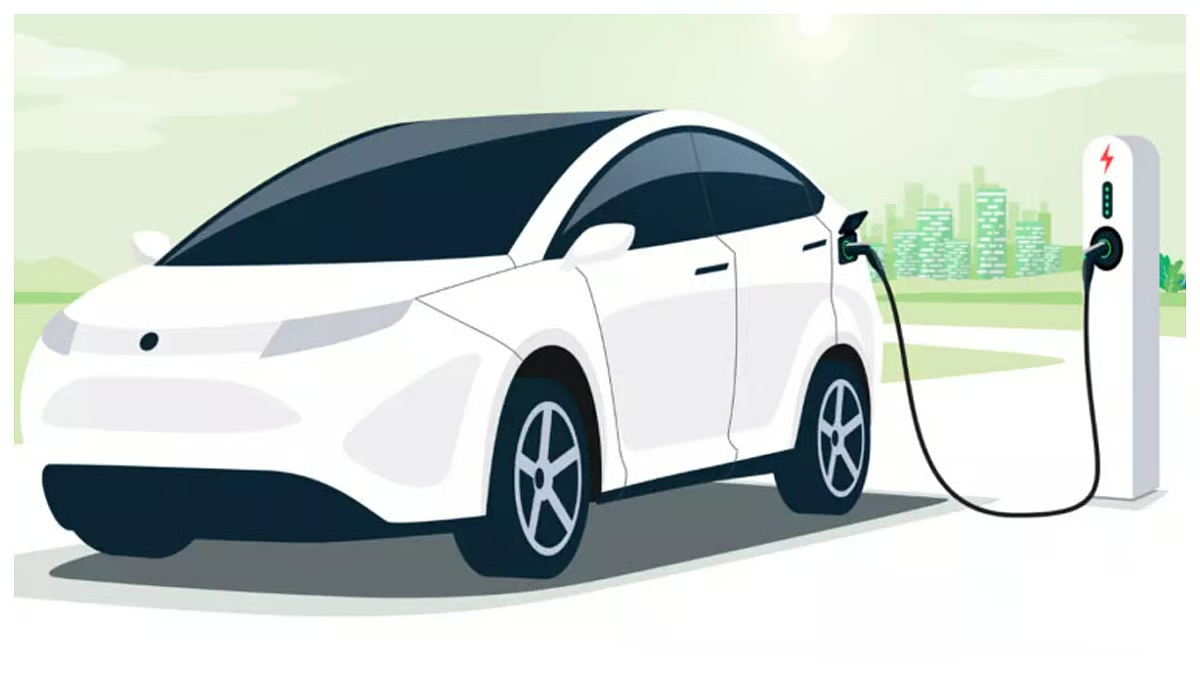
    Electric Vehicle Insurance in India 2025

    Despite its advantages, EV insurance in India 2025 still faces hurdles:

    • High battery replacement costs drive up premiums.
    • Lack of specialized EV repair centers slows claims.
    • Limited historical data makes risk assessment complex.
    • Low awareness about EV-specific insurance coverage.

    Future of Electric Vehicle (EV) Insurance in India 2025 and Beyond

    The future looks bright for EV insurance in India 2025 as insurers innovate rapidly. Expect to see:

    • Usage-based insurance (UBI): Premiums based on driving data.
    • AI-powered claim approvals for faster settlements.
    • Green discounts for responsible EV owners.
    • Standardized government-backed EV policies.
    • Battery health analytics to optimize premiums.

    With India’s EV revolution gaining momentum, electric vehicle insurance will become smarter, more affordable, and accessible to all.


    Tips for Choosing the Best Electric Vehicle Insurance Policy

    1. Compare multiple EV insurance plans before purchasing.
    2. Choose comprehensive coverage with battery protection.
    3. Check network garages for cashless repairs.
    4. Review terms for exclusions and hidden charges.
    5. Prefer insurers offering 24×7 EV roadside support.

    Conclusion

    As India accelerates toward electric mobility, Electric Vehicle (EV) Insurance in India 2025 will play a vital role in protecting your investment. Choosing the right policy not only ensures legal compliance but also safeguards your EV against unforeseen risks.

    Whether you drive a compact EV or a luxury model, make sure your electric vehicle insurance includes comprehensive protection, smart add-ons, and digital claim support. The right plan today will keep you future-ready for tomorrow’s electric world.

  • Insurance for Startups in India – Protect Your New Venture | KaroInsure

    Insurance for Startups in India – Protect Your New Venture | KaroInsure

    Why Startups Need Insurance in India

    Starting a business in India is exciting — full of innovation, ambition, and opportunities. But it’s also a journey filled with risks. From operational challenges to financial uncertainties, startups face several potential threats that can derail their growth.
    This is where insurance for startups in India plays a vital role. It acts as a financial safety net, helping founders safeguard their business, assets, employees, and reputation from unforeseen risks.

    In India’s growing startup ecosystem, where small decisions can have big financial consequences, having the right insurance coverage ensures your business can recover quickly from unexpected setbacks.


    What Is Startup Insurance?

    Startup insurance, also known as business insurance, is a package of multiple coverages designed specifically for new and growing businesses. It protects your company from financial losses that could arise from accidents, property damage, lawsuits, data breaches, or employee-related issues.

    Unlike traditional business insurance, startup insurance is flexible. You can choose policies that match your company’s size, industry, and risk exposure — ensuring you only pay for what you truly need.


    Why Insurance for Startups in India Is Crucial

    Many entrepreneurs believe insurance is for large corporations, not new businesses. But in reality, startups are often more vulnerable. Limited resources and cash flow mean that one major loss — like a fire, data breach, or lawsuit — could severely impact operations or even shut down the company.

    Here are key reasons why insurance for startups in India is essential:

    1. Legal Compliance: Some business insurances, like employee coverage, are mandatory under Indian law.
    2. Risk Management: Protects your startup from financial loss due to property damage, liability, or cyber incidents.
    3. Investor Confidence: Venture capitalists and angel investors prefer startups that have adequate insurance protection.
    4. Business Continuity: Helps your business stay afloat even after unexpected disruptions.
    5. Employee Security: Provides health, accident, or group insurance to attract and retain top talent.

    Top-Up Health Insurance

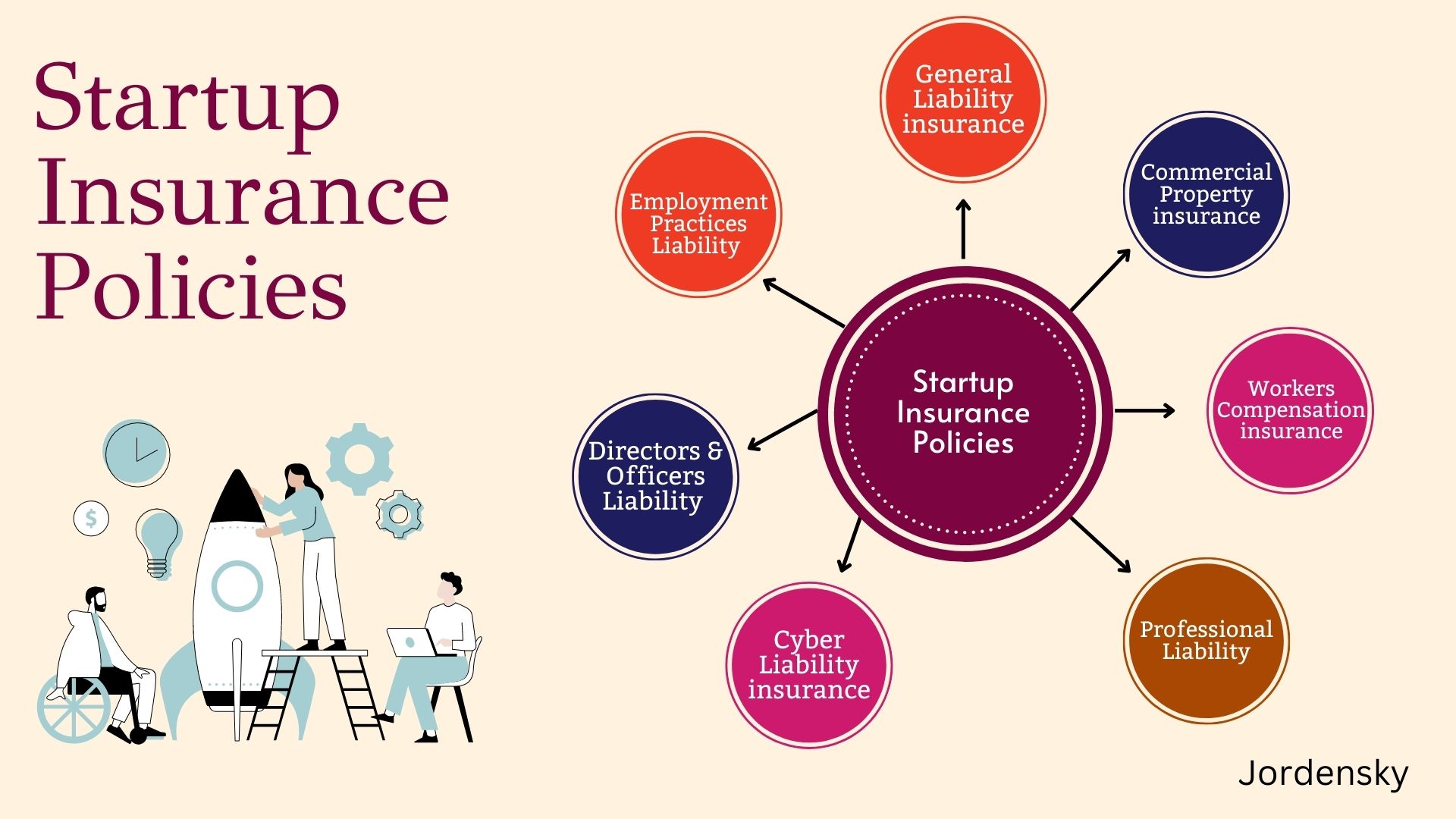
    Types of Insurance Every Startup in India Should Have

    1. General Liability Insurance

    This covers third-party claims for bodily injury, property damage, or personal injury caused by your business operations. For instance, if a client or visitor is injured on your premises, liability insurance helps cover the compensation.

    2. Professional Indemnity Insurance

    Also known as Errors and Omissions (E&O) insurance, this is essential for tech, consulting, design, or legal startups. It covers legal costs if your professional advice or services cause financial loss to a client.

    3. Cyber Liability Insurance

    With startups increasingly relying on digital platforms, cyber liability insurance in India protects against data breaches, hacking, and cyber extortion. It covers costs of investigation, notification, and recovery after a cyberattack.

    4. Property and Asset Insurance

    Protects office equipment, computers, inventory, and furniture from fire, theft, or natural disasters. This ensures your operational assets remain safe even in adverse events.

    5. Directors and Officers (D&O) Liability Insurance

    D&O insurance protects company founders, directors, and key decision-makers from legal actions arising from their managerial decisions. It’s especially crucial for startups dealing with investors or external stakeholders.

    6. Group Health Insurance

    Offering health insurance for employees builds trust and loyalty. It also helps startups comply with employee welfare laws while ensuring workers feel protected and valued.

    7. Business Interruption Insurance

    Covers loss of income if your startup’s operations are interrupted due to a fire, flood, or other insured events. It helps maintain cash flow and pay fixed expenses even when business is temporarily paused.


    Benefits of Insurance for Startups in India

    1. Financial Stability: Shields startups from large, unexpected losses.
    2. Investor Trust: Many investors require proof of insurance before funding.
    3. Legal Protection: Covers court costs and settlements in case of lawsuits.
    4. Reputation Management: Insurance helps recover faster from PR or operational crises.
    5. Employee Retention: Offering insured benefits improves morale and reduces attrition.

    Having these protections in place allows founders to focus on innovation and scaling, without constantly worrying about potential financial pitfalls.


    Common Mistakes Startups Make While Choosing Insurance

    Even though insurance is crucial, many startups make costly mistakes when buying policies:

    • Choosing insufficient coverage to save costs.
    • Ignoring cyber and liability risks.
    • Not reading exclusions carefully.
    • Overlooking the insurer’s claim settlement ratio.
    • Not reviewing policies as the company grows.

    KaroInsure helps startups avoid these pitfalls by providing transparent comparisons and expert guidance, ensuring you get the best protection for your specific business model.


    How KaroInsure Helps Startups Get the Right Coverage

    Top-Up Health Insurance

    KaroInsure partners with leading IRDAI-approved insurers to make buying business insurance simple and reliable. Whether you’re running a tech startup, food delivery app, or e-commerce platform, KaroInsure offers tailored coverage options.

    Here’s how KaroInsure supports startup founders:

    • Compare policies from multiple insurers in minutes.
    • Get personalized advice based on business type and risk level.
    • Transparent premiums with no hidden charges.
    • Claim assistance and renewal reminders.

    These internal links improve SEO and help readers explore related insurance solutions.


    Conclusion: Secure Your Startup’s Future with KaroInsure

    The startup journey in India is full of challenges — but with the right insurance, your business can grow fearlessly.
    Insurance for startups in India is not just a financial safeguard; it’s a foundation for long-term success. It builds investor trust, protects your employees, and ensures you recover swiftly from any unforeseen event.

    With KaroInsure, finding the perfect policy for your startup is easy, transparent, and affordable.
    Safeguard your vision, secure your assets, and build confidently — because every great startup deserves reliable protection.

  • Buy-Now-Pay-Later Premiums: Is EMI Option for Insurance the Future?

    Buy-Now-Pay-Later Premiums: Is EMI Option for Insurance the Future?

    In recent years, the financial landscape has undergone a remarkable transformation. From online shopping to education, the Buy Now, Pay Later (BNPL) model has revolutionized how people make payments. Now, this trend is entering a new domain — insurance premiums. The idea of paying your insurance premium in easy monthly installments (EMIs) is gaining popularity across India and beyond.

    But is this just a passing trend, or does it represent the future of insurance payments? Let’s dive deep into what BNPL premiums are, how they work, their pros and cons, and what they mean for the future of the insurance sector.


    Understanding the Buy-Now-Pay-Later (BNPL) Model

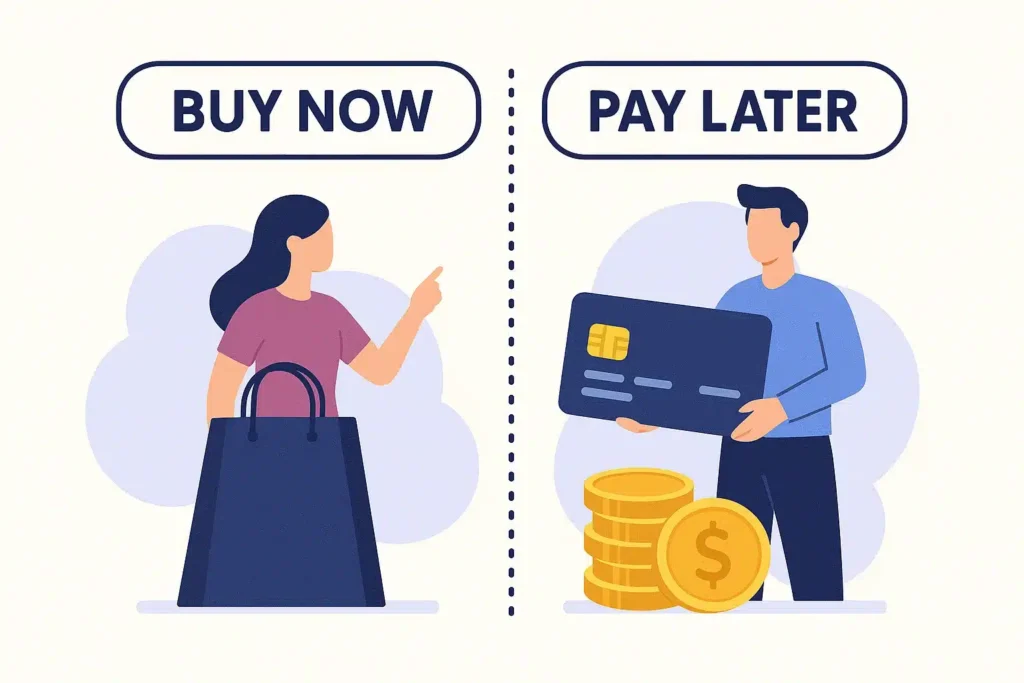
    The BNPL model allows customers to buy products or services immediately and pay for them later in flexible installments. It’s like a modern twist on credit — easy to access, transparent, and interest-free in many cases.

    When applied to insurance, BNPL means that instead of paying the entire premium at once, policyholders can split their premium into multiple EMIs. This flexibility helps individuals manage their cash flow better while still maintaining adequate insurance coverage.

    For example, if an annual health insurance premium costs ₹24,000, instead of paying the full amount upfront, a policyholder can choose to pay ₹2,000 per month for 12 months through a BNPL or EMI option.


    Buy-Now-Pay-Later premiums

    Why the Shift Toward EMI-Based Premiums?

    The demand for BNPL insurance premiums is driven by several key factors:

    1. Financial Flexibility

    Many consumers, especially millennials and Gen Z, prefer spreading out large payments. The EMI option for insurance aligns with their budgeting habits, making insurance more accessible without financial strain.

    2. Increasing Insurance Awareness

    As awareness of health, life, and vehicle insurance grows, more individuals want coverage — but affordability remains a challenge. EMI-based payments bridge this affordability gap.

    3. Technological Innovation

    Insurtech companies are making insurance simpler, faster, and more digital. Integrating Buy Now Pay Later Premiums options into apps and websites allows for a smoother customer experience and encourages more people to stay insured.

    4. Economic Pressures

    Post-pandemic financial constraints have led consumers to seek flexible payment options. Paying in installments helps them maintain important policies even when budgets are tight.


    How EMI Options for Insurance Work

    The process of converting your insurance premium into EMIs is straightforward:

    1. Choose the Policy: Select your insurance type (health, motor, term life, etc.).
    2. Select Payment Option: At checkout, choose the EMI or BNPL option instead of a lump sum payment.
    3. Verify and Approve: A quick credit check (if applicable) or verification is done.
    4. Payment Schedule: Your premium is automatically divided into equal monthly installments, often with little to no interest.

    Many insurers partner with fintech platforms or banks to offer these EMI options. For instance, companies like Policybazaar, Paytm Insurance, and Bajaj Finserv already provide BNPL premium facilities.


    Advantages of Buy-Now-Pay-Later Premiums

    1. Makes Insurance Affordable

    The most obvious benefit is affordability. People who couldn’t afford to pay large annual premiums can now easily manage monthly payments.

    2. Expands Insurance Penetration

    India has one of the lowest insurance penetration rates in the world. EMI options can change that by encouraging more people to buy insurance.
    3. Encourages Timely Renewals

    When premiums are easier to pay, policyholders are less likely to let their policies lapse. This ensures continuous coverage and peace of mind.

    4. Boosts Digital Adoption

    As the insurance industry goes digital, BNPL integrations make purchasing policies online more convenient and user-friendly.

    5. Attracts Younger Demographics

    Younger consumers prefer flexibility and digital-first solutions. EMI-based premiums align perfectly with their expectations and lifestyle.


    Buy-Now-Pay-Later premiums

    Challenges and Risks of Buy Now Pay Later Premiums

    While the EMI model sounds promising, it’s not without its downsides.

    1. Hidden Costs

    Some insurers or fintech partners may charge processing fees or interest, which can increase the total cost over time.

    2. Dependence on Creditworthiness

    Not everyone qualifies for BNPL or EMI options. People with poor credit scores may face rejection or higher charges.

    3. Risk of Over-Leveraging

    Easy monthly payments can sometimes lead consumers to over-commit financially, buying multiple policies they can’t sustain in the long run.

    4. Operational Complexity

    For insurers, integrating BNPL systems means extra coordination with payment gateways and financial partners — which can be challenging for traditional insurance companies.


    BNPL Insurance in India: Current Trends

    The concept of BNPL insurance is still evolving in India, but adoption is rising fast.
    Here are some ongoing trends:

    • Health insurance is leading the BNPL charge, as medical policies often have higher premiums.
    • Fintech startups are partnering with insurers to offer instant EMI conversions.
    • Zero-cost EMI plans are becoming a popular marketing tool for attracting customers.
    • Regulators like IRDAI are monitoring the model to ensure consumer protection and transparency.

    With the government pushing for “Insurance for All by 2047”, BNPL can play a critical role in expanding coverage to lower-income and rural populations.


    Buy-Now-Pay-Later premiums

    Global Perspective: BNPL in Insurance Worldwide

    In countries like the US, UK, and Australia, BNPL models are already well integrated into insurance. Many consumers pay for car or health insurance through monthly subscription-style plans rather than one-time premiums.

    This global trend indicates that EMI-based insurance is not just a short-lived innovation — it’s part of a broader movement toward flexible financial ecosystems. As India continues to embrace digital payments and financial inclusion, it’s likely that similar adoption patterns will emerge domestically.


    The Future of EMI Options in Insurance

    The future of insurance payments looks set to evolve around flexibility, accessibility, and technology. With more insurers collaborating with fintech players, BNPL premiums could become a standard payment method rather than a special feature.

    In the coming years, we might see:

    • Subscription-based insurance models where policies renew automatically each month.
    • AI-driven affordability scoring to determine EMI eligibility instantly.
    • Dynamic payment plans based on usage or income.
    • Integration with UPI and digital wallets for seamless automated payments.

    Conclusion

    The concept of Buy-Now-Pay-Later premiums is more than just a payment trend — it’s a financial innovation that makes insurance accessible to millions. While challenges like credit checks and hidden fees remain, the overall benefits — affordability, inclusivity, and convenience — are undeniable.

    As the digital economy continues to grow, EMI-based premiums could well become the future of insurance. By making insurance easier to buy, maintain, and renew, this model has the potential to transform financial protection for everyone.

  • Insurance for Startups in India – Protect Your New Venture | KaroInsure

    Insurance for Startups in India – Protect Your New Venture | KaroInsure

    Why Startups Need Insurance in India

    Starting a business in India is exciting — full of innovation, ambition, and opportunities. But it’s also a journey filled with risks. From operational challenges to financial uncertainties, startups face several potential threats that can derail their growth.
    This is where insurance for startups in India plays a vital role. It acts as a financial safety net, helping founders safeguard their business, assets, employees, and reputation from unforeseen risks.

    In India’s growing startup ecosystem, where small decisions can have big financial consequences, having the right insurance coverage ensures your business can recover quickly from unexpected setbacks.


    Insurance for Startups in India

    What Is Startup Insurance?

    Startup insurance, also known as business insurance, is a package of multiple coverages designed specifically for new and growing businesses. It protects your company from financial losses that could arise from accidents, property damage, lawsuits, data breaches, or employee-related issues.

    Unlike traditional business insurance, startup insurance is flexible. You can choose policies that match your company’s size, industry, and risk exposure — ensuring you only pay for what you truly need.


    Why Insurance for Startups in India Is Crucial

    Many entrepreneurs believe insurance is for large corporations, not new businesses. But in reality, startups are often more vulnerable. Limited resources and cash flow mean that one major loss — like a fire, data breach, or lawsuit — could severely impact operations or even shut down the company.

    Here are key reasons why insurance for startups in India is essential:

    1. Legal Compliance: Some business insurances, like employee coverage, are mandatory under Indian law.
    2. Risk Management: Protects your startup from financial loss due to property damage, liability, or cyber incidents.
    3. Investor Confidence: Venture capitalists and angel investors prefer startups that have adequate insurance protection.
    4. Business Continuity: Helps your business stay afloat even after unexpected disruptions.
    5. Employee Security: Provides health, accident, or group insurance to attract and retain top talent.

    Types of Insurance Every Startup in India Should Have

    1. General Liability Insurance

    This covers third-party claims for bodily injury, property damage, or personal injury caused by your business operations. For instance, if a client or visitor is injured on your premises, liability insurance helps cover the compensation.

    2. Professional Indemnity Insurance

    Also known as Errors and Omissions (E&O) insurance, this is essential for tech, consulting, design, or legal startups. It covers legal costs if your professional advice or services cause financial loss to a client.

    3. Cyber Liability Insurance

    With startups increasingly relying on digital platforms, cyber liability insurance in India protects against data breaches, hacking, and cyber extortion. It covers costs of investigation, notification, and recovery after a cyberattack.

    4. Property and Asset Insurance

    Protects office equipment, computers, inventory, and furniture from fire, theft, or natural disasters. This ensures your operational assets remain safe even in adverse events.

    5. Directors and Officers (D&O) Liability Insurance

    D&O insurance protects company founders, directors, and key decision-makers from legal actions arising from their managerial decisions. It’s especially crucial for startups dealing with investors or external stakeholders.

    6. Group Health Insurance

    Offering health insurance for employees builds trust and loyalty. It also helps startups comply with employee welfare laws while ensuring workers feel protected and valued.

    7. Business Interruption Insurance

    Covers loss of income if your startup’s operations are interrupted due to a fire, flood, or other insured events. It helps maintain cash flow and pay fixed expenses even when business is temporarily paused.


    Insurance for Startups in India

    Benefits of Insurance for Startups in India

    1. Financial Stability: Shields startups from large, unexpected losses.
    2. Investor Trust: Many investors require proof of insurance before funding.
    3. Legal Protection: Covers court costs and settlements in case of lawsuits.
    4. Reputation Management: Insurance helps recover faster from PR or operational crises.
    5. Employee Retention: Offering insured benefits improves morale and reduces attrition.

    Having these protections in place allows founders to focus on innovation and scaling, without constantly worrying about potential financial pitfalls.


    Common Mistakes Startups Make While Choosing Insurance

    Even though insurance is crucial, many startups make costly mistakes when buying policies:

    • Choosing insufficient coverage to save costs.
    • Ignoring cyber and liability risks.
    • Not reading exclusions carefully.
    • Overlooking the insurer’s claim settlement ratio.
    • Not reviewing policies as the company grows.

    KaroInsure helps startups avoid these pitfalls by providing transparent comparisons and expert guidance, ensuring you get the best protection for your specific business model.


    Insurance for Startups in India

    How KaroInsure Helps Startups Get the Right Coverage

    KaroInsure partners with leading IRDAI-approved insurers to make buying business insurance simple and reliable. Whether you’re running a tech startup, food delivery app, or e-commerce platform, KaroInsure offers tailored coverage options.

    Here’s how KaroInsure supports startup founders:

    • Compare policies from multiple insurers in minutes.
    • Get personalized advice based on business type and risk level.
    • Transparent premiums with no hidden charges.
    • Claim assistance and renewal reminders.

    These internal links improve SEO and help readers explore related insurance solutions.


    Conclusion: Secure Your Startup’s Future with KaroInsure

    The startup journey in India is full of challenges — but with the right insurance, your business can grow fearlessly.
    Insurance for startups in India is not just a financial safeguard; it’s a foundation for long-term success. It builds investor trust, protects your employees, and ensures you recover swiftly from any unforeseen event.

    With KaroInsure, finding the perfect policy for your startup is easy, transparent, and affordable.
    Safeguard your vision, secure your assets, and build confidently — because every great startup deserves reliable protection.

  • Child Education Insurance Policy – Secure Your Child’s Future | KaroInsure

    Child Education Insurance Policy – Secure Your Child’s Future | KaroInsure

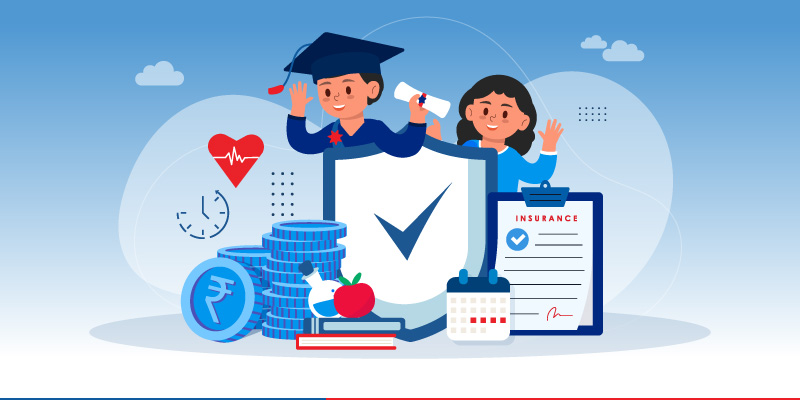
    Every parent dreams of giving their child the best possible education. However, with the rising cost of schooling and higher education, this dream can easily become financially overwhelming. A Child Education Insurance Policy is designed to ensure that your child’s learning journey continues smoothly, even if life takes unexpected turns.

    Let’s understand how this policy works, its benefits, and how KaroInsure helps you find the best plan in India.


    Child Education Insurance Policy

    What Is a Child Education Insurance Policy?

    A Child Education Insurance Policy is a specialized life insurance plan that combines protection and savings. It ensures that your child’s education goals are met, even in your absence. The parent or guardian is the policyholder, and the child is the beneficiary.

    In case of the policyholder’s unfortunate demise, the insurer pays a lump sum to secure the child’s education, while future premiums are waived off. The policy continues, and the child receives the maturity benefit as planned.


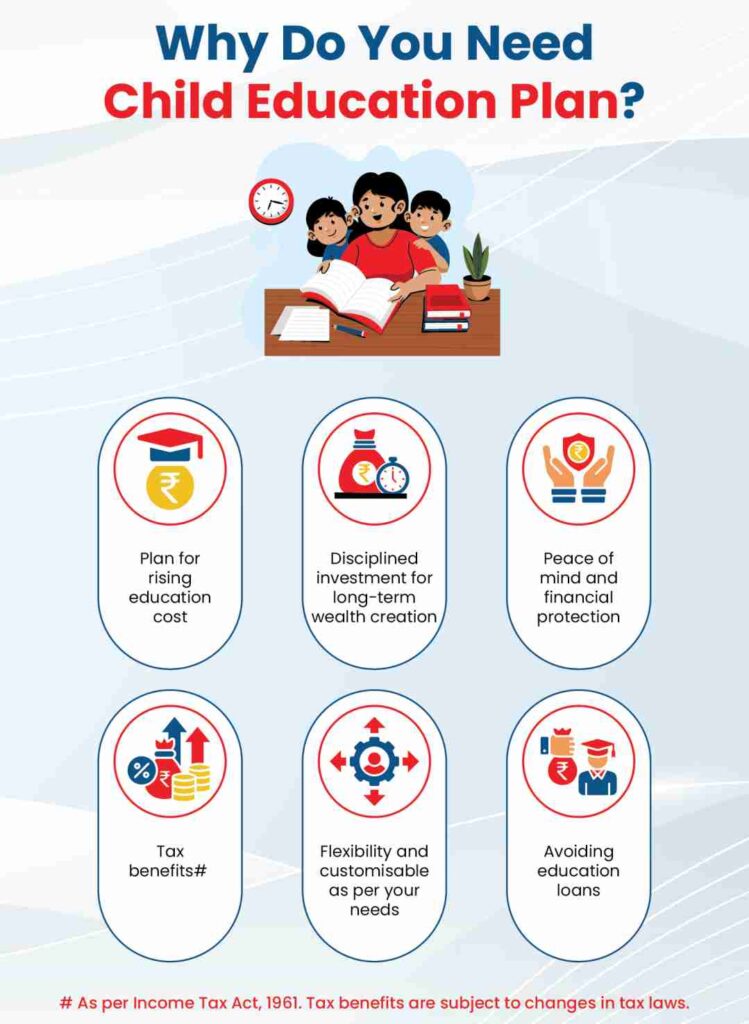
    Why Do You Need a Child Education Plan?

    Education costs in India are increasing by nearly 10% every year. Whether your child dreams of becoming a doctor, engineer, or pursuing higher studies abroad, planning early is crucial.

    A Child Education Policy ensures:

    • Financial stability for your child’s education.
    • Guaranteed funds for school, college, or professional courses.
    • Protection against financial disruptions due to unforeseen events.
    • Tax-saving benefits under Section 80C and 10(10D) of the Income Tax Act.

    Types of Child Education Insurance Policies

    There are mainly two types of child plans available in India:

    1. Child ULIP (Unit Linked Insurance Plan)
      This combines investment and insurance. A portion of your premium goes towards life cover, while the rest is invested in equity or debt funds. It helps you grow wealth over time for your child’s education.
    2. Child Endowment Plan
      This plan offers guaranteed returns with minimal risk. It is ideal for parents who prefer financial security and steady growth rather than market-linked returns.

    Child Education Insurance Policy

    Key Benefits of Child Education Insurance

    • Financial Security: Your child’s education remains unaffected by life’s uncertainties.
    • Waiver of Premium: In case of the policyholder’s death, the insurer pays future premiums.
    • Goal-Oriented Savings: Funds are released at important stages like school, graduation, and post-graduation.
    • Tax Benefits: Premiums paid are eligible for tax deductions under the Income Tax Act.
    • Flexible Payout Options: Choose between lump sum or regular payouts based on educational milestones.

    How to Choose the Best Child Education Plan

    When selecting a policy, consider the following factors:

    1. Coverage Amount: Estimate your child’s future education cost (including inflation).
    2. Policy Term: Align it with your child’s age and educational goals.
    3. Premium Affordability: Choose a plan that fits your current income and long-term budget.
    4. Returns and Bonuses: Compare returns across insurers using platforms like KaroInsure.
    5. Insurer Reputation: Always choose an IRDAI-registered insurer with a strong claim settlement ratio.

    Example of How It Works

    Suppose you buy a child education plan for ₹10 lakh when your child is 5 years old, with a 15-year term.
    If you pass away during the policy term, your child receives immediate financial support, and the insurer continues to invest on your behalf. When your child turns 20, they receive the full ₹10 lakh maturity benefit — ensuring uninterrupted education.


    Why Buy Through KaroInsure

    Buying a Child Education Insurance Policy through KaroInsure ensures complete transparency and peace of mind. The platform helps you:

    • Compare child plans from India’s top insurance companies.
    • Get personalized recommendations based on your goals and budget.
    • Access expert assistance to understand features and returns.
    • Purchase securely with verified, IRDAI-approved insurers.

    With KaroInsure, you make confident, well-informed financial decisions for your child’s future.


    Child Education Insurance Policy

    Tips to Maximize Your Child Education Policy Benefits

    • Start early to maximize compounding benefits.
    • Review your policy every few years.
    • Choose add-ons like accidental death or disability riders for extra protection.
    • Use bonuses and maturity payouts wisely — only for education purposes.

    Conclusion

    Your child’s education is one of the most valuable investments you’ll ever make. A Child Education Insurance Policy ensures that your child’s dreams never stop — no matter what happens. By planning early and choosing the right insurer through KaroInsure, you can secure both their academic journey and financial stability.

    Start planning today and give your child the foundation they deserve for a successful future.

  • Family Floater Health Plans in India — Why One Policy Is Better Than Many

    Family Floater Health Plans in India — Why One Policy Is Better Than Many

    Managing healthcare expenses for an entire family can be challenging, especially as medical costs continue to rise across India. Instead of juggling multiple health insurance policies for each member, more people are now opting for family floater health insurance in India — a single plan that covers all family members under one umbrella.

    These policies not only simplify management but also make coverage more affordable and flexible. As families look for smarter ways to secure their health, understanding how family floater health insurance in India works can help you make an informed financial decision.


    1. What Is a Family Floater Health Insurance Plan?

    A family floater plan is a single health insurance policy that covers the entire family, sharing one sum insured. Instead of buying separate individual plans, you pay one premium, and the total coverage can be used by any insured member in case of hospitalization.

    For example, a ₹10 lakh family floater policy may include two adults and two children. If one member uses ₹3 lakh for treatment, the remaining ₹7 lakh is still available for the rest of the family during the same policy year.

    This flexible structure makes family floater health insurance in India a convenient and economical choice for households.


    family floater health insurance India

    2. Why Family Floater Plans Are Becoming Popular in India

    The rising awareness of medical inflation, combined with the need for convenience, has made family floater health insurance in India increasingly popular among urban and middle-class families.

    Some key reasons include:

    • Affordability: One premium for multiple members is more cost-effective.
    • Ease of management: Fewer renewals and simpler claim handling.
    • Flexibility: The sum insured can be used by any family member.
    • Coverage expansion: Most plans now include maternity, newborn, and preventive care benefits.

    3. How Family Floater Health Insurance Works

    In a family floater health insurance plan, all covered members share a single sum insured. Typically, these plans cover:

    • Spouse
    • Children (biological, adopted, or stepchildren)
    • Dependent parents or in-laws

    When one person makes a claim, the available coverage for others reduces proportionately for that policy year.

    For example, if your ₹10 lakh plan covers four members and one member uses ₹4 lakh, the remaining ₹6 lakh remains available for the rest.

    This structure makes family floater health insurance in India ideal for families where members are at different life stages and health levels.


    4. Benefits of Family Floater Health Insurance in India

    a. Cost-Effective Premiums

    Instead of paying individual premiums for each member, you pay a single amount that usually costs 25–35% less overall.

    b. Simplified Policy Management

    Renewals, claims, and paperwork are streamlined under one policy. You don’t need to track multiple plans or renewal dates.

    c. Higher Coverage for Younger Families

    Family floater plans work best when the family has younger members with lower health risks. It allows optimal use of shared coverage.

    d. Tax Benefits

    Premiums paid toward family floater health insurance in India are eligible for deductions under Section 80D of the Income Tax Act.

    e. Add Flexibility for New Members

    You can easily add new dependents, such as a newborn or spouse, at the time of renewal without needing a separate policy.


    5. Who Should Choose a Family Floater Plan?

    Family floater policies are ideal for:

    • Young couples starting a family.
    • Nuclear families with children under 25 years of age.
    • Working professionals who prefer easy policy management.

    However, if your parents are elderly or have pre-existing health conditions, it’s better to have individual health insurance for them, as they may consume a significant portion of the shared coverage.


    6. Factors to Consider Before Buying

    Before purchasing family floater health insurance in India, keep the following factors in mind:

    1. Sum Insured: Choose coverage based on family size, age, and city of residence.
    2. Age of Eldest Member: Premium is calculated based on the oldest insured person, so consider separate plans for senior citizens.
    3. Network Hospitals: Ensure the insurer offers cashless facilities at reputed hospitals near you.
    4. Maternity & Newborn Benefits: Check if your policy includes maternity cover, waiting periods, and child coverage.
    5. Renewability: Opt for lifelong renewability so you can extend protection indefinitely.

    7. Best Features to Look For in a Family Floater Plan

    To make the most of family floater health insurance in India, choose a policy that includes:

    • Cashless hospitalization
    • Annual health checkups
    • No-claim bonuses
    • Coverage for daycare and domiciliary treatments
    • Restoration of sum insured if it’s used during the year

    These features add long-term value and peace of mind for the entire family.


    family floater health insurance India

    8. Top Insurers Offering Family Floater Health Insurance in India

    Several trusted companies offer comprehensive family floater plans, including:

    • HDFC ERGO Health Suraksha Family Plan
    • Niva Bupa Health Companion
    • Star Health Family Optima
    • Care Health Family Plan
    • ICICI Lombard Complete Health Insurance

    These insurers provide customizable coverage, digital claim processing, and wide hospital networks.


    9. Digital Platforms Simplifying Policy Purchase

    Buying family floater health insurance in India is now easier than ever. Online platforms like Policybazaar, Coverfox, and InsuranceDekho let you:

    • Compare premiums and benefits instantly
    • Buy or renew policies online
    • File and track claims digitally

    This digital convenience ensures that you can secure your family’s health without paperwork or agent dependency.


    10. Why One Policy Is Better Than Many

    Managing multiple health policies can be complicated and expensive. A single family floater health insurance plan streamlines everything — one premium, one renewal, and unified protection.

    It ensures that funds are optimally utilized, offers flexibility for new members, and reduces administrative hassles. Most importantly, it brings the entire family under one safety net, fostering both convenience and confidence.


    Conclusion

    Healthcare costs in India are rising, but managing protection doesn’t have to be complicated. With family floater health insurance in India, you can simplify your financial planning and ensure everyone in your family is covered without the burden of multiple policies.

    Whether you’re a young couple or a growing family, this all-in-one approach to health coverage ensures peace of mind, financial security, and long-term savings.

  • The Rise of Micro-Insurance in India — Protecting Everyday Risks for Everyone

    The Rise of Micro-Insurance in India — Protecting Everyday Risks for Everyone

    In a country as diverse and economically varied as India, access to financial protection has long been unequal. Millions of people, especially in rural and low-income segments, have traditionally been excluded from formal insurance systems. But that’s changing fast — thanks to the growing adoption of micro insurance in India.

    Micro-insurance is not just a financial product; it’s a social tool designed to protect vulnerable populations from everyday risks like illness, crop loss, accidents, and property damage. As awareness grows and digital access improves, micro insurance in India is emerging as one of the most powerful instruments for inclusive growth and financial stability.


    1. What Is Micro-Insurance?

    Micro-insurance refers to affordable, low-premium insurance plans designed for individuals with limited income. These products provide protection against common risks such as hospitalization, disability, death, or natural disasters — but at a fraction of the cost of traditional policies.

    Unlike standard insurance plans, which often require higher premiums and complex documentation, micro insurance in India focuses on simplicity, accessibility, and inclusivity.

    For instance, a micro-health policy might cost less than ₹500 annually while covering essential medical expenses. Similarly, micro-life or accident insurance plans offer small but vital payouts to support families during emergencies.


    micro insurance in India

    2. The Growing Need for Micro-Insurance in India

    India’s informal and unorganized workforce — farmers, laborers, small shop owners, delivery personnel, and gig workers — makes up over 80% of the total workforce. Most of them live without any insurance coverage.

    For these individuals, a single hospitalization, flood, or accident can wipe out years of savings. Micro insurance in India fills this gap by offering financial safety nets that are both affordable and easily accessible.

    Rising health costs, climate-related disasters, and the expansion of digital payment systems are accelerating the adoption of these micro policies across both rural and semi-urban India.


    3. Government Initiatives Driving Growth

    The Government of India and IRDAI (Insurance Regulatory and Development Authority of India) have played a key role in expanding micro insurance in India through inclusive programs such as:

    • Pradhan Mantri Jan Suraksha Yojana (PMJSY) – offering accident and life insurance at minimal annual premiums.
    • Pradhan Mantri Fasal Bima Yojana (PMFBY) – protecting farmers against crop loss due to floods, droughts, or pests.
    • Ayushman Bharat Yojana – providing free or subsidized health insurance for low-income families.

    These government-led efforts have not only improved awareness but also encouraged private insurers and fintech startups to design their own micro-insurance products.


    4. The Role of Technology and Fintech Platforms

    Technology has been a game-changer for micro insurance in India. Digital platforms, mobile apps, and payment gateways have made it possible to reach remote populations that were previously excluded.

    For example:

    • Mobile wallets and UPI-based apps like Paytm and PhonePe now integrate micro-insurance options.
    • Insurtech startups such as Acko, Digit, and Toffee Insurance offer bite-sized, on-demand coverage.
    • Blockchain and AI tools are helping insurers verify claims faster and prevent fraud.

    This digital-first approach reduces paperwork, lowers operational costs, and makes it convenient for users to buy, renew, and claim policies within minutes.


    micro insurance in India

    5. Popular Types of Micro-Insurance

    Micro insurance in India covers a wide range of everyday risks. Some common types include:

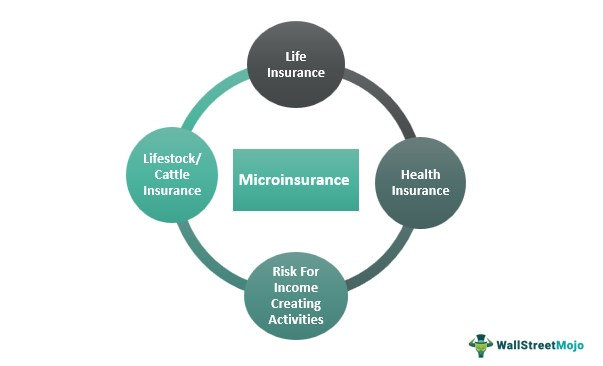
    a. Micro Health Insurance

    Covers basic hospitalization costs, doctor consultations, and medicines for low-income families.

    b. Micro Life and Accident Insurance

    Offers financial assistance to families in case of death or disability of the policyholder.

    c. Micro Crop and Livestock Insurance

    Protects farmers and rural households against crop failure, animal diseases, or natural calamities.

    d. Micro Property and Asset Insurance

    Provides coverage for small homes, shops, and equipment damaged by fire, flood, or theft.

    Each of these plans is designed to make protection simple, affordable, and accessible to everyone.


    6. Micro-Insurance for the Gig and Informal Workforce

    The rapid rise of India’s gig economy — drivers, delivery partners, freelancers, and platform workers — has created a new need for tailored insurance products.

    Companies like Swiggy, Zomato, and Ola now collaborate with insurers to provide micro insurance in India for their partners. These plans typically include accident cover, hospital cash benefits, and income protection.

    This trend ensures that India’s growing freelance and gig sector is not left behind in the journey toward financial inclusion.


    7. The Role of Microfinance Institutions and NGOs

    Microfinance institutions (MFIs) and non-governmental organizations (NGOs) play a crucial role in distributing micro insurance in India to rural areas. They act as intermediaries between insurers and local communities, helping educate people about policy benefits and claim procedures.

    Through community-based outreach, these organizations help overcome barriers of trust, literacy, and awareness — especially in regions where digital access is still limited.


    8. Challenges Facing Micro-Insurance in India

    Despite its growth, micro insurance in India faces several challenges:

    • Low awareness: Many potential beneficiaries still don’t know such products exist.
    • Complex claims: Limited literacy and documentation issues delay settlements.
    • Profitability: Low premiums make it hard for insurers to maintain sustainable operations.
    • Distribution gaps: Rural and remote regions still lack last-mile agents or digital access.

    Addressing these challenges requires collaboration between the government, insurers, fintechs, and local institutions to improve education, trust, and access.


    9. The Future of Micro-Insurance in India

    The future looks promising. With digital innovation, regulatory support, and growing social awareness, micro insurance in India is poised to expand rapidly.

    Insurers are experimenting with AI-powered risk assessment, usage-based premiums, and hyperlocal coverage models. Moreover, micro-insurance is being linked with social security, financial literacy, and sustainable development goals (SDGs).

    As financial inclusion deepens, micro-insurance could soon become as common as mobile banking — ensuring that every individual, regardless of income, has access to financial protection.


    micro insurance in India

    10. Why Micro-Insurance Matters

    Micro-insurance is not charity — it’s empowerment. It transforms how vulnerable individuals deal with uncertainty, giving them dignity, confidence, and the ability to recover from setbacks.

    For India, where millions still live one emergency away from poverty, micro insurance in India represents hope — a bridge between economic vulnerability and financial security.


    Conclusion

    The rise of micro insurance in India marks a significant step toward financial inclusion and resilience. It is helping millions of low-income households, gig workers, and small business owners safeguard their future.

    As climate risks, health emergencies, and income instability rise, micro-insurance ensures that protection isn’t a privilege for a few — it’s a right for everyone.

  • How Climate Change Is Transforming Home Insurance Policies in India

    How Climate Change Is Transforming Home Insurance Policies in India

    In recent years, extreme weather events — floods, cyclones, heatwaves, and landslides — have become alarmingly frequent across the country. As these natural disasters intensify, the climate change impact on home insurance in India is becoming impossible to ignore.

    Insurers, homeowners, and policymakers are all rethinking how protection works in a warming world. With increasing property losses and rising claim volumes, climate change impact on home insurance in India is reshaping risk assessment, premiums, and coverage models across the sector.


    1. The New Reality: Climate Risks Are Now Financial Risks

    Climate change is no longer an environmental issue alone — it’s an economic and financial challenge. India experiences more than 8–10 major climate-related disasters every year, from monsoon floods to prolonged droughts.

    This unpredictability is forcing insurers to revise how they price and structure home insurance policies. Traditionally, premiums were based on static risk factors such as location, property type, and claim history. Today, climate-driven events like flash floods or cyclones are central to these calculations.

    As a result, the climate change impact on home insurance in India is making policies more dynamic, data-driven, and region-specific.


    Climate Change Impact on Home Insurance in India

    2. Rising Claims and Premium Adjustments

    According to industry reports, the frequency of weather-related insurance claims in India has increased by nearly 30% over the past decade. Floods in Chennai, Kerala, and Assam have caused massive property losses, pushing insurers to reassess risk exposure.

    Home insurance premiums in flood-prone and coastal regions are already rising. Some insurers are introducing climate-risk pricing, where policy costs depend on vulnerability to extreme weather.

    This trend shows that the climate change impact on home insurance in India isn’t theoretical — it’s already affecting how much homeowners pay and what they get covered for.


    3. Redefining “Comprehensive Coverage”

    Earlier, standard home insurance mainly covered fire, burglary, and accidental damage. Now, insurers are expanding their offerings to include natural disaster coverage, temporary relocation support, and climate-resilience add-ons.

    Policies today may include:

    • Flood and storm damage protection
    • Coverage for landslides and subsidence
    • Assistance for temporary housing after a disaster
    • Replacement cost coverage for climate-related destruction

    Such innovations highlight how climate change impact on home insurance in India is expanding the definition of “protection.”


    4. Regional Risk Mapping and Data-Driven Underwriting

    Modern insurers increasingly rely on climate data analytics, GIS mapping, and satellite imagery to evaluate regional risks.

    For instance, properties located near rivers or low-lying coastal areas are being flagged for higher climate exposure. Similarly, urban centers with outdated drainage systems are being categorized as “high flood-risk zones.”

    This integration of data and predictive modeling allows insurers to design smarter, more localized home insurance plans. It’s a clear sign of how climate change is transforming underwriting practices in India’s home insurance industry.


    5. Encouraging Climate-Resilient Construction

    The climate change impact on home insurance in India extends beyond policies — it’s influencing how homes are built.

    Insurers are now offering premium discounts or incentives for homes constructed with eco-friendly materials, elevated foundations, and flood-resistant designs. Builders are encouraged to follow resilience guidelines to make properties insurable at lower costs.

    This collaboration between construction and insurance sectors could redefine urban planning and sustainability in India.


    Climate Change Impact on Home Insurance in India

    6. The Role of Government and Regulation

    Public policy is evolving in response to the rising climate risks. The Insurance Regulatory and Development Authority of India (IRDAI) has urged insurers to include climate-related disclosures and expand disaster coverage.

    Government-backed programs are also exploring parametric insurance models, where payouts are triggered automatically when a climate event (like rainfall above a certain level) occurs.

    Such policy interventions aim to make home insurance more accessible and efficient — especially in vulnerable regions like coastal Maharashtra, Odisha, and the Northeast.


    7. The Rise of Parametric and Micro-Insurance

    Parametric insurance is one of the most promising innovations in addressing climate change impact on home insurance in India.

    Instead of filing traditional claims, homeowners receive a fixed payout when a measurable event occurs (for example, rainfall exceeding 200 mm in 24 hours). This ensures faster compensation and minimal paperwork.

    Similarly, micro-insurance products are emerging for low-income homeowners, helping rural and semi-urban families protect small assets from climate-induced damage.


    8. Awareness Gap Among Homeowners

    Despite rising risks, home insurance penetration in India remains below 1%. Most homeowners still believe “it won’t happen to me” — a mindset that leaves millions financially vulnerable.

    Bridging this gap requires better awareness campaigns, simplified digital platforms, and easy-to-understand climate-risk coverage options. As climate patterns worsen, protecting one’s home is no longer optional — it’s essential.


    9. Technology and Digital Claims Management

    Digitalization is helping insurers process claims faster after climate disasters. Mobile apps, remote surveys via drones, and AI-based claim validation are improving speed and transparency.

    For example, after a cyclone, insurers can remotely assess property damage using geotagged photos, making payouts faster and reducing fraud.

    Technology is now a critical part of how companies respond to the climate change impact on home insurance in India.


    Climate Change Impact on Home Insurance in India

    10. Building a Climate-Resilient Future

    The future of home insurance in India depends on how well insurers, homeowners, and regulators adapt to the changing climate.

    Proactive insurers will use predictive models to anticipate risks, while responsible homeowners will invest in resilient design and adequate coverage. Together, these actions will ensure India’s housing sector can withstand climate challenges.

    Ultimately, the climate change impact on home insurance in India is reshaping not just policies — but mindsets. Protection is no longer about reacting to loss; it’s about preparing for it.


    Conclusion

    Climate change is rewriting the rules of risk, responsibility, and resilience. As India faces more frequent and severe weather events, the need for updated, inclusive, and climate-responsive home insurance policies has become critical.

    Understanding the climate change impact on home insurance in India helps homeowners make smarter choices — investing not just in coverage, but in long-term security and sustainability.

  • Why Freelancers and Startups in India Need Health Insurance More Than Ever

    Why Freelancers and Startups in India Need Health Insurance More Than Ever

    In India’s growing gig and startup economy, flexibility and independence are empowering millions of professionals to work on their own terms. However, with that freedom comes a serious gap — health insurance for freelancers in India remains one of the most overlooked aspects of financial planning.

    Unlike salaried employees, freelancers and startup founders don’t get employer-sponsored insurance benefits. A single medical emergency can disrupt their savings, halt business growth, or even lead to long-term financial instability. As healthcare costs in India continue to rise sharply, understanding the importance of health insurance for freelancers in India has never been more crucial.


    1. The Rise of India’s Freelance and Startup Workforce

    Over the past decade, India has become one of the largest hubs for freelancers and entrepreneurs. From digital marketers to designers, consultants, and coders — millions of individuals are embracing flexible work and building startups.

    According to reports, India’s gig economy is expected to grow by over 200% in the coming years. While this shift brings immense opportunity, it also exposes independent professionals to financial vulnerability, especially in terms of healthcare.

    Without a steady paycheck or corporate benefits, freelancers face the dual challenge of income irregularity and lack of health coverage. This is where health insurance for freelancers in India becomes a critical safety net.


    health insurance for freelancers India

    2. Rising Healthcare Costs — A Growing Concern

    Healthcare inflation in India is rising faster than general inflation. Even basic hospitalization can cost ₹50,000–₹1,00,000, while major surgeries can easily cross ₹5 lakh.

    For freelancers and startup founders who depend on fluctuating income, an unexpected medical emergency can derail both personal and business finances. Many end up borrowing money, liquidating savings, or using credit cards to pay medical bills — decisions that cause long-term financial stress.

    Having adequate health insurance for freelancers in India ensures that medical emergencies don’t translate into financial crises. It allows entrepreneurs to focus on growing their ventures without worrying about unpredictable healthcare costs.


    3. Why Freelancers Often Neglect Health Insurance

    Many independent professionals skip buying insurance for reasons like:

    • Thinking they’re young and healthy
    • Prioritizing business expenses over personal coverage
    • Lack of awareness about self-paid insurance plans
    • Misconceptions that health insurance is costly or complicated

    However, delaying coverage is a mistake. Premiums are lower when you’re younger and healthier, and early purchase helps you complete waiting periods for pre-existing diseases sooner.

    In simple terms, buying health insurance early isn’t an expense — it’s an investment in stability and peace of mind.


    4. Benefits of Health Insurance for Freelancers and Startups

    Choosing the right health insurance for freelancers in India offers multiple advantages:

    a. Financial Protection Against Medical Emergencies

    Medical costs can be unpredictable. A comprehensive policy covers hospitalization, diagnostics, surgeries, and post-treatment expenses — protecting your business capital and savings.

    b. Access to Quality Healthcare

    With insurance, freelancers can access top hospitals and doctors through cashless networks, ensuring quality care without worrying about bills.

    c. Tax Benefits

    Under Section 80D of the Income Tax Act, you can claim deductions on health insurance premiums, reducing your taxable income.

    d. Peace of Mind and Focus on Work

    Freelancers juggle multiple clients and deadlines. Knowing that medical risks are covered helps them work stress-free and stay productive.


    health insurance for freelancers India

    5. Group Health Insurance for Startups and Small Teams

    For startups with small teams, a group health insurance policy is a great option. It covers founders, employees, and even interns under one plan — often at lower premiums.

    Modern digital insurers like Plum, Onsurity, and Digit now offer customized group health plans for startups with as few as 2–5 members. These plans often include wellness perks, doctor consultations, and mental health coverage.

    Providing such benefits not only safeguards your team but also helps attract and retain top talent in a competitive startup environment.


    6. Choosing the Right Health Insurance Plan

    When buying health insurance for freelancers in India, consider the following:

    1. Coverage Amount: Choose a sum insured that matches hospital costs in your city (ideally ₹5–10 lakh minimum).
    2. Cashless Hospital Network: Ensure your insurer has tie-ups with quality hospitals nearby.
    3. Waiting Period: Check how long you must wait before pre-existing conditions are covered.
    4. Daycare and OPD Benefits: Many modern plans include consultations and diagnostics without hospitalization.
    5. Add-on Covers: Consider maternity, critical illness, or accidental coverage depending on your needs.
    6. Renewability: Always go for lifelong renewal policies.

    A little research today can save you lakhs tomorrow.


    7. Digital Platforms Simplifying Health Insurance

    Technology has made buying health insurance for freelancers in India easier than ever. Platforms like Policybazaar, Acko, Plum, and Niva Bupa allow users to:

    • Compare policies online
    • Calculate premiums instantly
    • File cashless claims
    • Track renewals and benefits

    This digital-first approach aligns perfectly with freelancers and entrepreneurs who value convenience and transparency.


    8. Health Insurance as a Business Strategy

    For freelancers and founders, health insurance is not just personal protection — it’s a business continuity strategy.

    Imagine falling ill or facing an accident that keeps you away from work for weeks. Without insurance, you’d face double loss — medical bills plus lost income.

    Health insurance ensures that even if something unexpected happens, you’re financially secure and can bounce back without disrupting your business.


    health insurance for freelancers India

    9. Mental Health and Preventive Care Coverage

    Modern health insurance plans increasingly include mental wellness benefits such as therapy sessions, counseling, and stress management programs. For freelancers and startup owners who often deal with burnout, these benefits are invaluable.

    Preventive care, annual checkups, and health tracking discounts further encourage a proactive approach to wellbeing.


    10. The Smart Move: Secure Today, Thrive Tomorrow

    As India’s freelance and startup ecosystems expand, so does the need for sustainable financial planning. Health insurance is no longer optional — it’s essential.

    The right policy ensures that your creativity, innovation, and business momentum aren’t lost to unexpected medical events. For every independent professional, securing health insurance for freelancers in India means choosing resilience over risk.


    Conclusion

    Freelancers and startup founders are redefining India’s economy — agile, digital, and self-driven. But this freedom must come with protection. With healthcare costs climbing and lifestyles becoming more unpredictable, health insurance for freelancers in India is not just a smart choice — it’s a necessity.

    Whether you’re a solo entrepreneur or managing a growing startup, investing in health insurance today ensures your dreams don’t get derailed tomorrow.

  • How Gen Z Is Redefining Insurance in India — The Rise of Digital-First Policies

    How Gen Z Is Redefining Insurance in India — The Rise of Digital-First Policies

    The insurance industry is changing rapidly, and much of this transformation is being driven by Gen Z insurance trends in India. This new generation of digital natives is redefining how insurance is bought and managed while challenging old ideas about financial protection. From paperless onboarding to personalized health plans, Gen Z is transforming how insurers connect with young, tech-savvy customers.


    1. A Shift From Obligation to Empowerment

    For decades, buying insurance in India was seen as a tax-saving obligation. However, Gen Z insurance in India shows a major mindset shift — young people now view insurance as empowerment.

    They buy policies because they value independence and control, not just to meet financial requirements. Gen Z sees insurance as a modern financial tool that provides freedom and security.


    Gen Z Insurance Trends in India

    2. Digital-First Behavior and Instant Access

    One of the strongest Gen Z insurance trends is the demand for instant access. This generation expects everything — from quotes to claims — to happen online, quickly and transparently.

    They prefer insurers that offer:

    • Quick comparisons and instant digital policies
    • Chat-based support and mobile-friendly dashboards
    • Transparent pricing and paperless claims

    This shift reflects how technology is redefining digital insurance for Gen Z in India.


    3. Health, Wellness, and Mental Wellbeing

    Among emerging insurance trends for young Indians, there’s growing focus on health and mental wellness. Gen Z buyers look beyond hospitalization — they want coverage for preventive care, fitness rewards, and mental health consultations.

    Insurance is no longer just about emergencies; it’s about lifestyle protection.


    4. Personalization Over One-Size-Fits-All

    Gen Z doesn’t want generic plans. They demand flexible, tailored coverage that fits their goals — from freelancers needing income protection to creators insuring their gadgets.

    This personalization wave represents the future of Gen Z insurance in India, where customization and clarity replace standard, rigid policies.


    5. Trust and Transparency

    Trust defines this generation’s relationship with insurance providers. Young Indians carefully read terms, compare reviews, and expect full clarity about exclusions and claims.

    Brands that maintain honesty and transparency earn lasting loyalty in this new era of Gen Z-driven insurance.


    6. Social Media and Financial Awareness

    Social media has become one of the most powerful tools shaping Gen Z insurance awareness in India. Through YouTube, Instagram, and finance creators, young buyers learn about premiums, coverage, and benefits in plain, relatable language.

    This accessibility has made insurance less intimidating and far more engaging for first-time buyers.


    7. Subscription and On-Demand Models

    Flexibility remains one of the strongest Gen Z insurance trends in India. Instead of long-term commitments, they prefer pay-as-you-go or on-demand policies.

    Examples include:

    • Motor insurance based on usage
    • Travel policies activated per trip
    • Event-based or gadget microinsurance

    These models make insurance affordable and relevant for the modern lifestyle.


    Gen Z Insurance Trends in India

    8. Eco-Conscious and Ethical Choices

    Sustainability also influences how young Indians choose their insurers. Companies offering paperless policies, green incentives, and eco-friendly practices attract Gen Z buyers who want their values reflected in their financial choices.


    9. Integration With Digital Ecosystems

    Insurance today is part of a connected digital lifestyle. Many Gen Z consumers expect integration with health apps, wallets, and wearables — a defining trend in modern insurance for Gen Z.

    This seamless connectivity makes policies easier to manage and encourages preventive, data-driven wellness.


    10. Balancing Technology and Human Empathy

    While Gen Z prefers automation, they still value empathy when it matters most. The best insurers will balance AI-driven convenience with human support during claims or emergencies.

    This hybrid approach represents the next phase of Gen Z insurance innovation in India.


    Conclusion

    The future of India’s insurance market is being reshaped by a generation that values clarity, speed, and personalization. Gen Z insurance trends in India reveal a new era of trust and technology — one where insurers must adapt to win loyalty through simplicity, transparency, and purpose.

    For insurers, this is not just a demographic shift — it’s a mindset revolution.