Author: whitehorseins2021@gmail.com whitehorseins2021@gmail.com

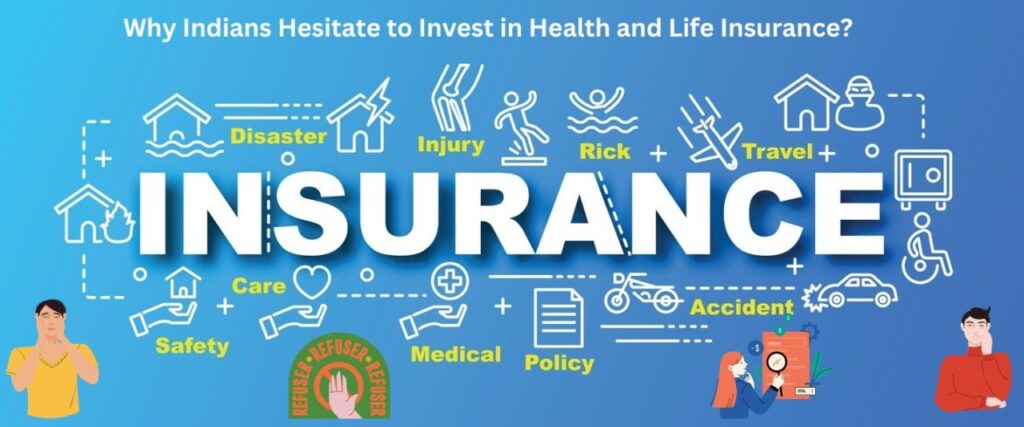
  • Why Most Indians Delay Buying Insurance — The Psychology Behind Financial Decisions

    Why Most Indians Delay Buying Insurance — The Psychology Behind Financial Decisions

    In India, insurance is often treated like a low-priority item on the financial checklist — something to think about “later.” Despite rising awareness, only a fraction of the Indian population has adequate life or health coverage. According to IRDAI data, India’s insurance penetration remains significantly lower compared to global averages.

    But why do so many Indians delay buying insurance even when they know it’s important? The answer lies not just in income or affordability but in psychological behavior, cultural attitudes, and financial perceptions that shape how Indians make money-related decisions.

    This article explores the psychology behind why Indians delay buying insurance, the emotional and social barriers involved, and what can be done to change this mindset.


    1. The Cultural Mindset: “It Won’t Happen to Me”

    One of the strongest psychological factors influencing financial decisions in India is optimism bias — the belief that negative events are less likely to happen to oneself.

    Many people think accidents, illnesses, or untimely deaths are distant possibilities that only affect others. This overconfidence creates a false sense of security. When life is going well, people assume it will continue that way, leading them to postpone crucial steps like buying insurance.

    Culturally, Indian families often rely on collective support systems — parents, siblings, or extended relatives — to provide financial help in emergencies. This informal safety net reinforces the belief that formal insurance is unnecessary.

    However, as nuclear families and independent lifestyles grow, this traditional backup system is fading fast. Yet, the “it won’t happen to me” mindset continues to delay timely financial protection.


    why Indians delay buying insurance

    2. Lack of Financial Literacy and Understanding

    Another major reason Indians delay insurance is poor financial literacy. Many people still see insurance purely as a tax-saving tool, not as a financial safety instrument.

    During tax season, insurance agents experience a surge in policy sales. But once the financial year ends, interest drops sharply. This behavior shows that insurance is often seen as an obligation — not a necessity.

    Most Indians do not fully understand:

    • The difference between term plans and investment-linked plans
    • The importance of early purchase for lower premiums
    • The compounding benefits of long-term health coverage

    Without this understanding, they either delay decisions or buy the wrong products.

    Improving financial education in schools, workplaces, and through media can play a vital role in changing these misconceptions.


    3. Procrastination and Emotional Avoidance

    Procrastination is a universal human behavior, but it takes a deeper form when it comes to financial matters. Buying insurance requires one to think about illness, accidents, and death — topics that trigger discomfort and fear.

    For many, avoiding emotional discomfort feels easier than facing reality. So they postpone buying insurance with excuses like:

    • “I’ll buy it when I start earning more.”
    • “I’m still young and healthy.”
    • “Let me first finish paying my loans.”

    This emotional avoidance leads to decision paralysis, where people keep delaying action despite knowing it’s the right choice.

    Behavioral finance studies show that individuals often prioritize instant gratification (like spending on travel, gadgets, or dining out) over long-term security, because the benefits of insurance are intangible and in the future.


    4. The Complexity of Insurance Products

    Insurance documents are often filled with jargon — premiums, exclusions, riders, maturity values, and waiting periods. The sheer complexity discourages people from making quick decisions.

    Many Indians feel overwhelmed by too many choices and confusing terms. This leads to what psychologists call “choice overload.” When faced with too many options, people tend to avoid making any decision at all.

    Also, the lack of trust in agents or online platforms adds to the hesitation. Many fear being misled or “trapped” in long-term commitments that don’t serve their interests.

    The solution lies in transparency and simplicity — insurers and financial advisors should explain policies in clear, relatable language with real-life examples.


    5. Social Influence and Peer Behavior

    In India, financial decisions are deeply influenced by what others around us do. If peers, colleagues, or family members are not actively buying insurance, individuals feel less urgency to do so themselves.

    There’s also a tendency to follow collective norms rather than independent thinking. For instance, when people see friends investing in gold, real estate, or mutual funds, they tend to do the same — even if insurance would provide better security for their situation.

    This herd mentality extends to how people perceive the “right time” to buy insurance. Often, they wait until marriage, parenthood, or a health scare before taking action — by which time premiums have increased, or coverage options are limited.

    Changing this behavior requires positive role models and public awareness campaigns that normalize early insurance adoption.


    6. Income Priorities and Misplaced Spending

    Even when people can afford insurance, they often prioritize short-term expenses over long-term protection. Modern consumerism encourages spending on lifestyle upgrades rather than savings or safety nets.

    Many young professionals prefer to buy cars, smartphones, or fashion items before considering insurance. Since insurance doesn’t give visible or immediate returns, it feels less rewarding compared to tangible purchases.

    This is known as “present bias” — a cognitive bias where people overvalue current pleasures and undervalue future security.

    The result: individuals delay purchasing insurance until it becomes absolutely necessary — often after witnessing a medical emergency or financial loss in their circle.

    why Indians delay buying insurance

    7. Trust Deficit and Negative Past Experiences

    Trust plays a crucial role in financial decision-making. Many Indians have grown skeptical due to past experiences of claim rejections, hidden charges, or poor customer support.

    Stories of delayed hospital reimbursements or rejected life insurance claims spread quickly through word-of-mouth, creating fear and hesitation.

    Insurers and agents must rebuild confidence through:

    • Clear communication about inclusions and exclusions
    • Transparent claims processes
    • Consistent customer support and digital accessibility

    Trust-building is a slow process, but it’s essential to encourage people to make timely insurance decisions.


    8. Generational and Psychological Gaps

    Older generations often believed in saving through fixed deposits, gold, or real estate — tangible assets that could be “seen and touched.” Insurance, being an intangible product, didn’t appeal to their traditional financial mindset.

    On the other hand, younger generations, though more aware, are often caught between financial aspirations and lifestyle goals. While they understand the importance of insurance, many feel they can “do it later” once their income stabilizes.

    Bridging this gap requires financial storytelling — real-life case studies showing how insurance protects families from financial disasters and how early investment makes a difference.


    9. Changing Trends: A Shift Toward Awareness

    Despite these psychological and social barriers, the mindset is slowly changing. The COVID-19 pandemic served as a wake-up call, reminding people of life’s unpredictability and the importance of financial preparedness.

    Post-pandemic data shows a sharp rise in health and term insurance purchases, especially among urban and tech-savvy populations. Digital insurance platforms have simplified comparisons, claims, and renewals — making it easier for people to make informed decisions.

    Still, rural and semi-urban areas need continued awareness programs, simplified policies, and trust-building initiatives to ensure inclusivity in India’s insurance ecosystem.


    10. How to Overcome the Delay and Act Now

    If you’ve been delaying buying insurance, consider these steps:

    1. Start early – The earlier you buy, the lower your premium and the longer your coverage.
    2. Understand your needs – Evaluate your family’s financial goals, health history, and income stability.
    3. Choose simplicity – Opt for transparent, easy-to-understand policies with clear benefits.
    4. Set reminders – Treat insurance renewal like paying a utility bill — essential and non-negotiable.
    5. Consult experts – Seek advice from certified financial planners, not just sales agents.

    Taking these steps can help you secure financial stability and peace of mind for yourself and your family.


    Conclusion

    The delay in buying insurance among Indians is not merely a financial issue — it’s a psychological and cultural phenomenon. Factors like optimism bias, procrastination, social influence, and emotional avoidance all play a role in this behavior.

    However, with rising awareness, better digital platforms, and improved transparency, Indians are gradually recognizing that insurance is not an expense — it’s an investment in financial security and peace of mind.

    The key lies in understanding the value of protection before a crisis forces you to. As the saying goes, “The best time to buy insurance was yesterday; the next best time is today.”

  • How to Avoid Insurance Frauds

    How to Avoid Insurance Frauds

    Insurance is meant to provide peace of mind — a safety net during life’s uncertainties. However, with the growing reach of digital platforms and online transactions, insurance frauds in India have become increasingly common. From fake agents to misleading offers, these scams can cause significant financial and emotional loss.

    To help policyholders stay protected, KaroInsure emphasizes the importance of awareness and secure buying practices. Let’s explore how you can identify, prevent, and avoid insurance frauds effectively.


    What Is Insurance Fraud?

    Insurance fraud happens when someone intentionally deceives a policyholder or an insurer for financial gain. It can be committed by individuals, fake agents, or even organized groups. In India, these scams target both buyers and companies, leading to massive losses each year.

    Common examples include selling fake policies, forging claim documents, misusing personal data, or promising unrealistic returns.


    How to Avoid Insurance Frauds

    Common Types of Insurance Frauds in India

    1. Fake Policy Sellers
      Fraudsters often impersonate authorized agents and offer “discounted” or “exclusive” insurance plans. They collect premiums but never issue genuine policies.
    2. Phishing and Online Scams
      Many victims receive emails or SMS messages with fake links resembling those of official insurers. Once clicked, these links steal personal or banking details.
    3. False Claims
      In motor or health insurance, some people submit exaggerated or falsified claim documents to get higher payouts. These fraudulent activities lead to increased premiums for genuine policyholders.
    4. Identity Theft
      Criminals may use stolen PAN or Aadhaar information to purchase or claim insurance fraudulently.
    5. Third-Party Callers and Bonus Scams
      You might get a call claiming to be from your insurer or IRDAI, promising “policy bonuses” or “cashbacks.” These are scams designed to obtain sensitive information.

    How to Identify a Fraudulent Insurance Offer

    Spotting insurance frauds isn’t difficult if you stay alert. Be cautious of:

    • Offers that sound “too good to be true.”
    • Payments requested to personal accounts or wallets.
    • Agents who cannot provide an IRDAI registration number.
    • Policies without official acknowledgment or receipts.
    • Urgent calls pressuring you to “act immediately.”

    Before making any payment, confirm the agent’s details through the IRDAI official website or trusted platforms like KaroInsure, which only works with verified insurers.


    Steps to Avoid Insurance Frauds

    1. Buy Only from Verified Sources
      Always purchase your policy through authorized insurers or registered brokers like KaroInsure. Every insurer associated with KaroInsure is approved by the IRDAI.
    2. Verify Agent Details
      Ask for the IRDAI license number of any agent you deal with. You can verify it on the IRDAI website (you can add an internal link here to your future blog on “Understanding IRDAI’s Role in Insurance Regulation”).
    3. Do Not Share Personal Details Publicly
      Avoid sharing your PAN, Aadhaar, or bank information unless you are dealing directly with a verified insurer.
    4. Read Policy Documents Carefully
      Never sign incomplete or blank forms. Review every clause, exclusion, and benefit before making payment.
    5. Use Secure Payment Methods
      Make payments only through official payment gateways. Always keep transaction receipts and confirmation emails.
    6. Avoid Phishing Links
      Do not click on links sent through unknown emails or messages. Visit the insurer’s official website manually or through KaroInsure’s verified portal.
    7. Regularly Check Policy Status
      Log into your insurer’s portal or KaroInsure dashboard to ensure your policy remains active and genuine.
    8. Report Suspicious Activity
      If you suspect any fraud, immediately contact your insurer’s customer care or file a complaint with IRDAI’s Grievance Cell.

    How to Avoid Insurance Frauds

    How KaroInsure Helps You Stay Protected

    KaroInsure is more than just an insurance broker — it’s a trusted partner ensuring transparency at every step. The platform helps users:

    • Compare verified policies from top insurers.
    • Receive clear, unbiased advice from experts.
    • Avoid fake offers and scams through secure digital processes.
    • Access all policy documents safely in one dashboard.

    By purchasing through KaroInsure, you reduce the risk of being targeted by fraudsters while enjoying a seamless insurance experience.


    Why Awareness Is the Best Defense

    In most fraud cases, lack of awareness plays a major role. Understanding how legitimate insurers operate can help you make safer choices. For example, no genuine company will ever demand cash payments or personal transfers. Similarly, official communication always comes from verified email addresses and contact numbers.

    By staying informed, you can protect yourself, your family, and your finances.


    Conclusion

    Insurance frauds can happen to anyone — but they can also be avoided with vigilance and the right knowledge. Always verify sources, avoid sharing personal details, and work only with IRDAI-approved platforms like KaroInsure.

    Your awareness and caution are your strongest shields against insurance fraud. Stay informed, stay secure, and let KaroInsure help you make confident, fraud-free insurance decisions.

  • International Travel Insurance in India – Stay Protected Wherever You Go

    International Travel Insurance in India – Stay Protected Wherever You Go

    Traveling abroad is always exciting, but it also brings certain uncertainties. From flight cancellations and lost baggage to medical emergencies, anything can happen unexpectedly. To handle such situations without financial stress, international travel insurance in India plays a crucial role.

    Whether you are a student flying overseas for higher studies, a business traveler attending international meetings, or a family heading for a vacation, having travel insurance ensures you are financially protected. With KaroInsure, you can easily compare and buy international travel insurance policies from top insurance companies in India — all in one place.


    What is International Travel Insurance?

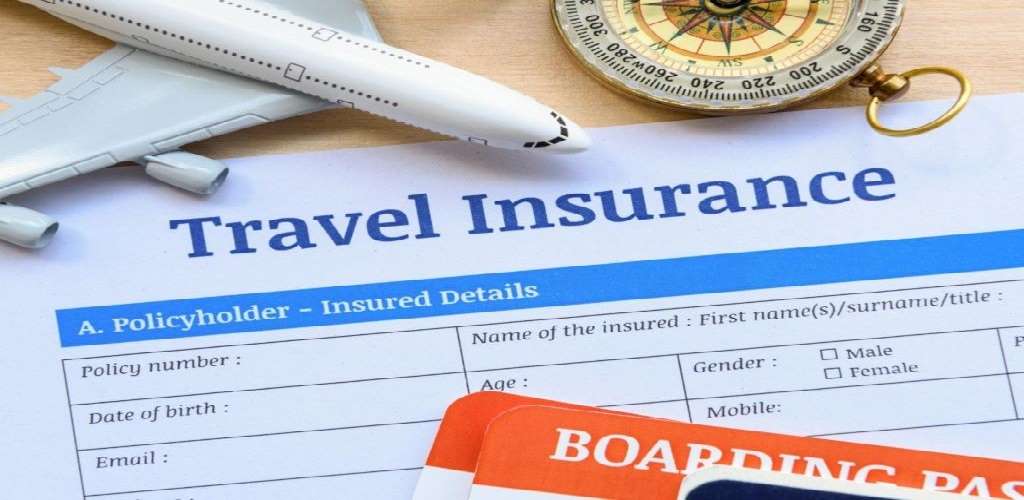
    International travel insurance is a policy designed to safeguard travelers from unexpected incidents while they are outside India. It covers a wide range of situations such as medical emergencies, baggage loss, passport loss, trip cancellations, and more.

    For anyone traveling abroad, especially to countries with high healthcare costs, having a valid international travel insurance plan is not just a choice — it’s a necessity.


    international travel insurance India

    Key Benefits of International Travel Insurance

    1. Medical Coverage Abroad
      Covers hospitalization, medical treatment, and emergency evacuation expenses if you fall ill or get injured during your trip.
    2. Trip Cancellation or Interruption
      Reimburses the non-refundable amount in case your trip is canceled or cut short due to unforeseen reasons such as illness, natural disaster, or political unrest.
    3. Loss or Delay of Baggage
      Offers financial compensation for lost, stolen, or delayed luggage by the airline or transport provider.
    4. Loss of Passport and Documents
      Provides coverage for the expenses related to reissuing a lost or stolen passport or other important travel documents.
    5. Personal Liability Protection
      If you accidentally cause injury or damage property while abroad, your policy can help cover legal and compensation costs.
    6. Emergency Evacuation and Repatriation
      In case of severe medical emergencies, your insurance covers evacuation to the nearest medical facility or even back to India if required.

    Why You Need International Travel Insurance

    • Mandatory for Visa: Many countries, including Schengen nations, require proof of travel insurance during visa application.
    • Financial Safety: Medical expenses abroad can be several times higher than in India. Travel insurance saves you from these unexpected costs.
    • Peace of Mind: It ensures a worry-free trip so you can focus on enjoying your journey.
    • All-round Protection: Apart from medical issues, it also covers travel-related inconveniences like baggage loss and flight delays.

    Types of International Travel Insurance Plans

    1. Single-Trip Travel Insurance
      Best suited for one-time travelers or vacationers who travel abroad occasionally.
    2. Multi-Trip Travel Insurance
      Ideal for business travelers or frequent flyers who make multiple trips in a year.
    3. Student Travel Insurance
      Specifically designed for Indian students studying abroad. It covers medical emergencies, study interruptions, and loss of documents.
    4. Family Travel Insurance
      Provides protection for the entire family under a single plan, ensuring everyone’s safety during international trips.

    international travel insurance India

    How to Choose the Right International Travel Insurance

    When selecting the right international travel insurance plan, consider the following factors:

    • Destination country and duration of travel
    • Total coverage amount and inclusions
    • Medical and emergency evacuation limits
    • Claim process and insurer’s reputation
    • Age and health condition of travelers
    • Add-on covers such as adventure sports or pre-existing disease cover

    At KaroInsure, travelers can compare plans from multiple insurance providers and choose the one that fits their budget and travel requirements. The entire process is online, quick, and paperless.


    How to File a Travel Insurance Claim

    1. Inform Your Insurer or KaroInsure
      As soon as an incident occurs, contact your insurer or the KaroInsure claims assistance team.
    2. Submit Documents
      Provide the necessary supporting documents such as bills, medical reports, tickets, or police reports.
    3. Track Claim Status
      Once submitted, you can easily track the claim status through the KaroInsure portal or insurer’s website until it is settled.

    Why Choose KaroInsure for Travel Insurance

    • Compare multiple insurance plans from top Indian companies in one place.
    • Affordable and transparent pricing with no hidden charges.
    • 24×7 support for claim assistance and travel emergencies.
    • Instant policy issuance with minimal documentation.

    KaroInsure helps Indian travelers secure themselves with reliable coverage and ensures every journey remains stress-free.


    Conclusion

    Traveling abroad should be about creating memories, not worrying about what might go wrong. International travel insurance in India offers essential protection from financial and medical emergencies during your trip. With KaroInsure, you can easily compare top-rated plans, get expert guidance, and travel confidently knowing that you’re covered wherever you go.

    Protect your next journey today with KaroInsure — your trusted partner for smart and secure travel insurance.

  • Home Insurance in India – Why It’s Gaining Importance in 2025

    Home Insurance in India – Why It’s Gaining Importance in 2025

    Owning a home is one of the biggest achievements for many Indians. However, with rising urbanization, natural disasters, thefts, and unexpected accidents, protecting your home has become more crucial than ever. This is why home insurance in India is gaining significant attention in 2025.

    In addition, home insurance not only safeguards your property but also ensures financial protection for unforeseen events, giving homeowners peace of mind.


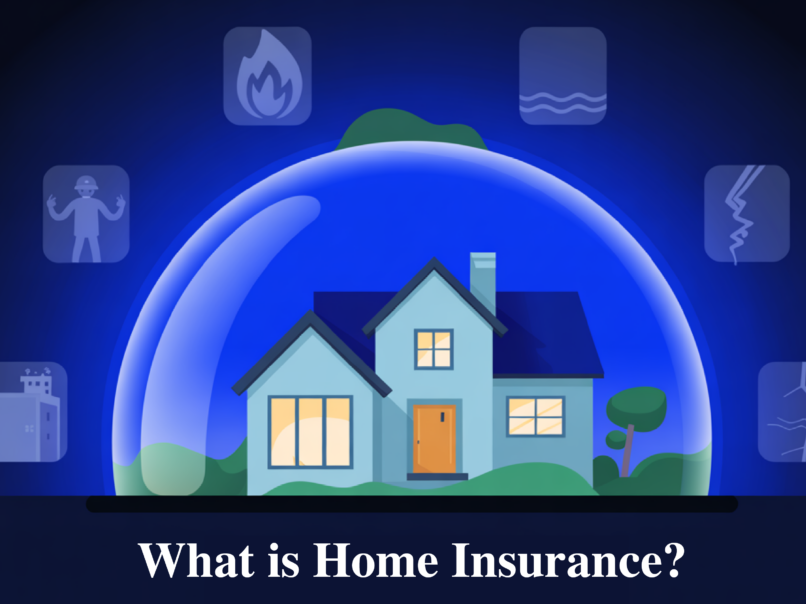
    Home Insurance in India

    What Is Home Insurance?

    Home insurance, also called property insurance, is a policy that protects your house and its contents from various risks. For example, it covers damages or losses due to fire, natural disasters, theft, or other unforeseen incidents.

    Policy coverage can include:

    • The structure of the home itself
    • Contents inside the home, such as furniture, electronics, and valuables
    • Liability coverage in case someone gets injured on your property

    Moreover, with digital platforms and brokers like KaroInsure, buying home insurance has become fast, transparent, and convenient for homeowners across India.


    Why Home Insurance Is Gaining Importance in 2025

    Several factors are driving the growing demand for home insurance in India:

    1. Urbanization and Property Investment:
      As more Indians invest in real estate, the financial stakes are higher. Therefore, home insurance ensures that these investments are protected.
    2. Natural Disasters:
      Floods, earthquakes, cyclones, and fires can cause extensive damage. Consequently, insurance policies help mitigate financial losses.
    3. Rising Property Value:
      With property prices increasing, the cost of repairs or reconstruction also rises. Hence, home insurance helps cover these expenses.
    4. Peace of Mind:
      Knowing your home and valuables are protected allows you to focus on your daily life without worrying about potential risks. Furthermore, it reduces stress in case of emergencies.
    5. Mortgage Requirement:
      Many banks and financial institutions now mandate home insurance when granting home loans. As a result, homeowners benefit from both compliance and protection.

    Home Insurance in India

    Types of Home Insurance in India

    Home insurance policies can be broadly divided into several types:

    1. Building Insurance

    Covers structural damage to your home due to fire, natural disasters, and accidents. In other words, it ensures your house can be rebuilt or repaired without financial strain.

    2. Contents Insurance

    Covers loss or damage to items inside your home, such as furniture, appliances, electronics, and valuables. Similarly, valuables like jewelry can be specifically insured.

    3. Comprehensive Home Insurance

    Combines both building and contents coverage, offering complete protection. Moreover, it reduces the need to purchase multiple policies.

    4. Specific-Item Insurance

    For high-value items like jewelry, art, or electronics, specific-item coverage ensures adequate protection beyond standard limits.


    Coverage Offered by Home Insurance Policies

    A standard home insurance policy in India usually covers:

    • Fire and allied perils
    • Natural disasters like storms, floods, earthquakes
    • Burglary and theft
    • Personal liability for injuries to visitors
    • Accidental damage to interiors and fixtures
    • Optional add-ons like coverage for valuables or temporary relocation costs

    In addition, many insurers now offer digital claim submission for faster processing.


    Who Should Get Home Insurance?

    Home insurance is ideal for:

    • Homeowners: Both new and old property owners
    • Investors: Those who have purchased real estate as an investment
    • Rented Property Owners: Landlords can also opt for building insurance
    • Families: To protect belongings and ensure financial security

    Furthermore, even if your property is mortgaged, having home insurance ensures that your investment and family are safeguarded.


    Benefits of Home Insurance

    1. Financial Protection:
      Covers unexpected costs due to damage, fire, or theft. Therefore, it prevents financial strain in emergencies.
    2. Peace of Mind:
      Homeowners can focus on life’s priorities knowing their property is protected. Moreover, it reduces stress during unforeseen events.
    3. Loan Compliance:
      Many banks require home insurance for mortgage approval. As a result, policies help meet legal requirements while protecting assets.
    4. Protection of Valuables:
      Contents insurance ensures expensive items inside the home are covered. Similarly, high-value items can be insured separately for extra security.
    5. Legal Protection:
      Liability coverage protects against legal claims if someone is injured on your property. Consequently, homeowners avoid unexpected lawsuits.

    Tips for Choosing the Right Home Insurance Policy

    When selecting a policy in India, consider:

    1. Coverage Type:
      Decide whether you need building, contents, or comprehensive insurance. Additionally, consider any optional add-ons that may suit your needs.
    2. Sum Insured:
      Ensure the insured amount matches the actual value of your home and contents. Otherwise, you may not get adequate compensation in case of damage.
    3. Add-On Options:
      Include optional covers like jewelry protection or natural disaster extensions. Moreover, these add-ons enhance your financial security.
    4. Insurer Reputation:
      Choose IRDAI-approved insurers with high claim settlement ratios. Similarly, check customer reviews and ratings.
    5. Policy Exclusions:
      Carefully read what is not covered, such as wear and tear or intentional damage. Therefore, you avoid surprises during claim settlement.

    (Internal link suggestion: Link to “Compare Insurance Policies” page for KaroInsure.)


    How to File a Home Insurance Claim

    1. Inform the insurer immediately after an incident.
    2. Submit necessary documents like policy copy, proof of loss, and photographs.
    3. Get an inspection done by the insurance surveyor.
    4. Claim settlement is processed based on the assessment.

    In addition, digital tools offered by KaroInsure make claim filing faster and more transparent.


    Why Choose KaroInsure for Home Insurance?

    KaroInsure is a trusted insurance broker in India, helping homeowners:

    • Compare multiple home insurance plans easily
    • Get expert advice on coverage, premiums, and add-ons
    • Access fast claim support and policy renewals

    Furthermore, KaroInsure ensures that the process is simple, transparent, and suited to your individual needs.


    Conclusion

    In summary, home insurance is no longer optional — it’s a necessity in 2025. Furthermore, with increasing property values, urban risks, and natural disasters, protecting your home with a reliable policy is crucial.

    Therefore, KaroInsure simplifies the process, allowing you to compare policies, understand coverage, and secure your home effortlessly. Protect your investment, safeguard your family, and enjoy peace of mind with home insurance in India today.

  • Digital Health Insurance – Paperless, Instant, and Smarter

    Digital Health Insurance – Paperless, Instant, and Smarter

    The insurance industry in India is rapidly evolving, and one of the biggest transformations is digital health insurance. With technology reshaping how policies are purchased, managed, and claimed, digital health insurance offers a paperless, fast, and convenient way for individuals and families to safeguard their health.

    In a country like India, where medical costs are rising and busy lifestyles leave little time for paperwork, digital health insurance is the future of healthcare coverage.


    Digital Health Insurance India

    What Is Digital Health Insurance?

    Digital health insurance refers to health insurance policies that are purchased, stored, and managed online. Unlike traditional insurance, which requires physical forms, signatures, and manual documentation, digital health insurance is completely paperless.

    Policyholders can:

    • Browse plans online
    • Purchase coverage instantly
    • Receive e-policy documents
    • File and track claims digitally

    This streamlines the entire process, saving time, reducing errors, and making insurance more accessible to a wider population in India.


    Why Digital Health Insurance Is the Future

    Several factors make digital health insurance increasingly popular in India:

    1. Paperless Processes:
      All documentation is handled digitally, eliminating the hassle of filling out multiple forms.
    2. Instant Policy Issuance:
      Many digital health insurance plans offer instant approval, so you are covered immediately without waiting weeks for processing.
    3. Smart Technology Integration:
      Digital policies often come with mobile apps, AI-assisted claim processing, and online dashboards for easy tracking.
    4. Better Access and Transparency:
      Policyholders can compare plans, view coverage details, and check claim status online anytime.
    5. Cost-Effectiveness:
      Digital policies reduce administrative costs, allowing insurers to offer competitive premiums.

    Digital Health Insurance India

    Key Benefits of Digital Health Insurance

    1. Convenience and Speed:
    With just a few clicks, you can buy coverage without visiting an office or submitting physical documents.

    2. Easy Claim Process:
    Most insurers now provide digital claim submission, allowing you to upload bills and reports online and get faster reimbursements.

    3. Real-Time Policy Updates:
    You can update personal information, renew your policy, or upgrade coverage directly from your device.

    4. 24/7 Support:
    Digital platforms provide round-the-clock support for queries, claim status, and emergency assistance.

    5. Environment-Friendly:
    Paperless policies reduce carbon footprint, making digital health insurance a sustainable option.


    Coverage Options in Digital Health Insurance

    Digital health insurance plans in India often include:

    • Hospitalization Expenses: Room charges, surgery, ICU, and treatment costs
    • Pre- and Post-Hospitalization: Medical expenses before and after hospitalization
    • Daycare Treatments: Procedures that do not require 24-hour hospitalization
    • Critical Illness Cover: Coverage for diseases like cancer, heart attack, or kidney failure
    • Maternity and Newborn Cover: Optional add-ons for family plans

    Who Should Consider Digital Health Insurance?

    • Busy Professionals: People with limited time to handle traditional paperwork
    • Tech-Savvy Individuals: Comfortable using mobile apps and online portals
    • Young Adults and Families: Looking for instant coverage and flexible options
    • Small Business Owners: Offering health benefits to employees without administrative hassle

    Digital Health Insurance India

    How KaroInsure Simplifies Digital Health Insurance

    KaroInsure acts as a trusted insurance broker in India, helping customers compare and select the best digital health insurance plans. Our services include:

    • Comparing policies from multiple IRDAI-approved insurers
    • Providing instant quotes and coverage details
    • Offering expert guidance on claim filing and renewals
    • Ensuring transparent information about premiums, exclusions, and add-ons

    (Internal link suggestion: Link to your “Health Insurance Plans” or “Compare Insurance Plans” page.)


    Common Misconceptions About Digital Health Insurance

    1. It’s Only for Young People:
      Digital health insurance is suitable for all ages; senior citizen plans are also available.
    2. It Lacks Human Support:
      Most digital insurers provide customer support via chat, call, and email alongside the online platform.
    3. Claims Are Complicated:
      Digital claim systems simplify documentation and offer faster approvals compared to traditional methods.

    Conclusion

    Digital health insurance represents the future of healthcare protection in India. With paperless processes, instant policy issuance, smart technology, and better access, it’s transforming how people manage their health coverage.

    For individuals and businesses alike, digital health insurance is a convenient, cost-effective, and reliable way to safeguard health and finances.

    KaroInsure makes it easy to find the right plan, compare policies, and get covered instantly, ensuring that protecting your health is no longer a cumbersome task.

  • Commercial Vehicle Insurance – A Must for Every Business | KaroInsure

    Commercial Vehicle Insurance – A Must for Every Business | KaroInsure

    Running a business often means relying on vehicles — for deliveries, logistics, or employee transport. Whether you own a single car or an entire fleet, your vehicles are a vital business asset. But what happens if one of them is damaged in an accident, stolen, or causes third-party injury?
    That’s where Commercial Vehicle Insurance comes in — offering essential protection for your business operations and financial stability.


    What Is Commercial Vehicle Insurance?

    Commercial Vehicle Insurance is a type of motor insurance designed to cover vehicles used for business or commercial purposes. It protects your business from potential financial losses due to accidents, theft, natural disasters, or third-party liabilities.

    Unlike private car insurance, which covers personal vehicles, commercial vehicle insurance is meant for business-owned vehicles — such as trucks, taxis, vans, buses, delivery vehicles, or company cars.


    Commercial Vehicle Insurance

    Why Is Commercial Vehicle Insurance Important?

    1. Legal Requirement:
      In India, it is mandatory under the Motor Vehicles Act to have at least third-party liability insurance for all vehicles, including commercial ones. Without valid insurance, you can face heavy fines or even legal action.
    2. Financial Protection:
      Accidents can happen anytime. Repairing a commercial vehicle or compensating third parties can cost lakhs. Insurance ensures that your business doesn’t bear these expenses directly.
    3. Covers Employee Drivers:
      If your driver or employee meets with an accident during business operations, the policy covers injuries, medical costs, or death compensation.
    4. Business Continuity:
      With insurance, you can quickly recover damages, repair or replace vehicles, and get back to operations without major financial disruptions.

    Types of Commercial Vehicle Insurance

    There are mainly two types of commercial vehicle insurance policies in India:

    1. Third-Party Liability Only

    This covers:

    • Injury or death of a third party due to your insured vehicle
    • Damage to third-party property

    However, it does not cover damage to your own vehicle.

    2. Comprehensive Policy

    A comprehensive plan covers both:

    • Third-party liabilities
    • Own vehicle damages due to fire, theft, accidents, natural calamities, or vandalism

    Businesses usually prefer this type for full protection.


    Commercial Vehicle Insurance

    Coverage Under Commercial Vehicle Insurance

    A comprehensive policy generally includes:

    • Accidental damages to the insured vehicle
    • Theft or total loss of the vehicle
    • Fire, explosion, or lightning damage
    • Natural disasters like floods, earthquakes, or storms
    • Third-party injury, death, or property damage
    • Personal accident cover for the owner-driver

    You can also add extra protection with add-on covers like:

    • Zero depreciation cover
    • Roadside assistance
    • Engine and gearbox protection
    • Return-to-invoice cover

    What’s Not Covered? (Exclusions)

    It’s equally important to know what your policy won’t cover:

    • Normal wear and tear
    • Driving without a valid license
    • Using the vehicle for illegal activities
    • Drunk driving
    • Consequential losses or mechanical breakdowns
    • Damages outside the geographical area (unless extended coverage is taken)

    Who Should Buy Commercial Vehicle Insurance?

    This insurance is essential for:

    • Fleet owners and transport companies
    • Logistics and delivery businesses
    • Taxi and ride-sharing operators
    • Manufacturers and traders using goods carriers
    • Construction businesses using heavy vehicles

    Even if your business owns just one commercial vehicle, insurance is crucial.


    Benefits

    • Comprehensive risk protection
    • Compliance with legal norms
    • Peace of mind for business owners
    • Coverage for drivers and employees
    • Financial stability during unforeseen events

    How to Choose the Right Policy

    When comparing commercial vehicle insurance plans, consider:

    1. Coverage Scope:
      Check if it covers own damages, third-party liabilities, and driver protection.
    2. Add-on Options:
      Select add-ons that match your business use (e.g., roadside assistance for delivery vehicles).
    3. Claim Settlement Ratio:
      Always check the insurer’s claim performance.
    4. Premium vs. Coverage Value:
      Don’t just go for the lowest premium — choose a policy that offers the best balance.
    5. Customer Support:
      Ensure the insurer provides quick claim support and network garage access.

    Commercial Vehicle Insurance

    How to File a Claim

    1. Inform the insurer immediately after the incident.
    2. File an FIR in case of theft or major damage.
    3. Submit documents like policy copy, registration certificate, and claim form.
    4. Get vehicle inspection done by the insurer’s representative.
    5. Receive claim settlement once verified.

    To make claims easier, maintain accurate documentation and records of your drivers and vehicles.


    Why Choose KaroInsure?

    At KaroInsure, we make insurance simple for every business. You can:

    • Compare top commercial vehicle insurance plans from leading insurers
    • Get expert assistance for claims and renewals
    • Save time and money with quick online quotes

    Our goal is to help you protect your business vehicles without hassle.


    Conclusion

    Commercial Vehicle Insurance isn’t just a legal formality — it’s a smart business investment. With rising road risks and repair costs, having the right coverage ensures that your business keeps running smoothly even after setbacks.

    If you’re a business owner in India, make sure your fleet is protected today.

  • Cyber Liability Insurance in India – Protect Your Business from Digital Threats

    Cyber Liability Insurance in India – Protect Your Business from Digital Threats

    In today’s digital age, businesses across India are increasingly dependent on technology to manage operations, communicate with clients, and store sensitive data. However, this growing reliance on digital systems has also opened the door to a rise in cyber threats such as hacking, ransomware attacks, phishing, and data breaches.

    That’s where Cyber Liability Insurance in India comes in. It’s a critical safeguard for businesses of all sizes—especially in a market like India, where even small companies are exposed to cyber risks due to rapid digitalization and remote operations.

    Cyber Liability Insurance in India | KaroInsure

    What Is Cyber Liability Insurance?

    Cyber liability insurance is a specialized business insurance policy that protects organizations from financial losses caused by cyberattacks, data breaches, or other technology-related incidents.

    In simple terms, it covers the costs your company may face if its computer systems or data are compromised. This includes legal fees, data recovery expenses, business interruption losses, and even reputational damage.

    Why Cyber Liability Insurance Is Important in India

    India ranks among the top countries targeted by cybercriminals. With increasing internet penetration and the rise of online transactions, Indian companies—from startups to large corporations—are more vulnerable than ever before.

    A single cyber incident can result in:

    • Loss of customer trust
    • Legal penalties for data protection violations
    • Huge costs for system recovery and downtime
    • Permanent reputational damage

    For this reason, KaroInsure helps businesses in India choose the right cyber insurance plan tailored to their risk profile, industry, and budget.

    (Internal link suggestion: Link this paragraph to your “Business Insurance” or “Corporate Insurance” service page to build internal SEO authority.)

    Cyber Liability Insurance in India | KaroInsure

    What Does Cyber Liability Insurance Cover?

    Cyber liability insurance policies typically include coverage for both first-party and third-party losses.

    1. First-Party Coverage

    This protects the insured business directly. It includes:

    • Data Restoration: Costs for restoring or recovering lost or stolen data.
    • Business Interruption: Covers income lost due to downtime caused by a cyberattack.
    • Extortion Threats: Covers ransom payments and investigation expenses for ransomware attacks.
    • Crisis Management: Covers PR and reputation repair costs after a breach.

    2. Third-Party Coverage

    This protects against legal liabilities arising from claims by customers, clients, or other affected third parties. It includes:

    • Data Breach Liability: Covers claims related to unauthorized access or theft of personal data.
    • Network Security Liability: Covers failure to prevent the spread of malware or unauthorized system access.
    • Media Liability: Protects against copyright or defamation claims resulting from digital content.

    (Internal link suggestion: Link “first-party” and “third-party coverage” to an “Insurance Guide” or “Learn” blog section on your site for educational linking.)

    Who Needs Cyber Liability Insurance?

    Every business that uses digital tools, collects customer data, or accepts online payments should consider cyber insurance.

    In India, the following industries are particularly vulnerable:

    • E-commerce platforms handling online payments
    • IT companies managing client databases
    • Healthcare providers storing patient records
    • Financial institutions processing sensitive transactions
    • Educational institutions using online portals

    Even small businesses and startups face growing cyber threats. KaroInsure ensures that both large and small organizations get cost-effective protection that fits their specific risks.

    Benefits of Cyber Liability Insurance in India

    Choosing cyber insurance through KaroInsure offers several benefits:

    • Financial Security: Reduces the financial impact of a cyberattack.
    • Legal Compliance: Helps businesses meet data protection requirements under Indian law.
    • Customer Trust: Shows clients that you take data security seriously.
    • Comprehensive Coverage: Protects against both first-party and third-party risks.
    • 24/7 Assistance: Quick support for claims and recovery coordination through KaroInsure’s network.

    (Internal link suggestion: Link this section to your “Why Choose KaroInsure” or “About Us” page.)

    Cost of Cyber Liability Insurance in India

    Cyber Liability Insurance in India | KaroInsure

    The premium for cyber liability insurance depends on several factors:

    • Size and type of business
    • Annual revenue
    • Volume of data handled
    • Security systems in place
    • Previous claim history

    Small and medium businesses in India can typically expect premiums starting around ₹15,000 to ₹50,000 annually. KaroInsure helps you compare plans from multiple insurers to find the most suitable and affordable option.

    How KaroInsure Helps Businesses Stay Protected

    KaroInsure acts as a trusted insurance broker that simplifies the process of buying cyber insurance in India. It collaborates with multiple IRDAI-approved insurers, offering unbiased comparisons and expert advice.

    With KaroInsure, you can:

    • Compare multiple cyber insurance plans side by side
    • Get assistance in understanding policy terms and coverage limits
    • Receive help during claims and documentation
    • Enjoy personalized policy recommendations based on your business profile

    (Internal link suggestion: Add a hyperlink here to your “Contact Us” page or “Compare Plans” section.)

    Common Cyber Threats Faced by Indian Businesses

    Indian businesses face various cyber risks every day, including:

    • Ransomware attacks
    • Phishing emails
    • Identity theft
    • Insider data leaks
    • Malware infections
    • Website defacement

    Cyber liability insurance ensures that your company is financially and legally protected from these unpredictable risks.

    Conclusion

    Cyber liability insurance is no longer optional—it’s essential for any business operating in the digital space. In India’s fast-evolving cyber landscape, one breach can undo years of hard work and trust.

    With KaroInsure, you get transparent guidance, competitive pricing, and support from India’s leading insurance providers. Protect your data, your business, and your reputation today with Cyber Liability Insurance in India.

  • Domestic Travel Insurance Coverage: What It Includes and Why You Need It

    Domestic Travel Insurance Coverage: What It Includes and Why You Need It

    Whether it’s a business trip, a family vacation, or a solo adventure, domestic travel within India can be unpredictable. From flight delays and lost baggage to medical emergencies — anything can happen on the road. That’s where domestic travel insurance coverage comes in.

    This type of insurance offers financial protection during your trips across India, ensuring peace of mind no matter where you go. In this guide, we’ll explore what domestic travel insurance covers, how it works, and why it’s worth buying for every traveler.


    Domestic Travel Insurance Coverage

    What Is Domestic Travel Insurance?

    Domestic Travel Insurance provides coverage for unexpected situations that might occur while traveling within India. It protects you from financial losses arising from trip cancellations, theft, medical emergencies, or accidents during your journey.

    Unlike international travel insurance, this policy is designed exclusively for travel within India — covering train, flight, or road journeys.


    Why You Should Have Domestic Travel Insurance

    Many people assume that travel insurance is only needed for foreign trips. However, unforeseen incidents can occur even within your home country.

    Here are some reasons to consider domestic travel insurance coverage:

    • Medical emergencies: Hospitalization or accidents while traveling can cost thousands.
    • Trip cancellations: Non-refundable bookings can lead to losses.
    • Baggage loss: Misplaced or stolen luggage can ruin your trip.
    • Personal accidents: Provides financial assistance in case of accidental injury or death.

    Having coverage means you can focus on your trip without worrying about financial risks.


    Domestic Travel Insurance Coverage

    Key Features of Domestic Travel Insurance

    1. Medical Coverage
      Covers hospitalization expenses, doctor’s fees, and emergency medical evacuations if you fall ill or get injured during the trip.
    2. Personal Accident Cover
      Provides compensation in case of accidental death or permanent disability during travel.
    3. Trip Cancellation or Interruption
      Reimburses non-refundable expenses if your trip gets canceled or delayed due to unforeseen events like illness or natural disasters.
    4. Loss of Baggage or Personal Belongings
      Covers loss or damage to checked-in luggage and essential travel items.
    5. Missed Connection or Delay
      Provides compensation if you miss a connecting flight or face extended delays beyond the specified time.
    6. Emergency Medical Evacuation
      Covers the cost of transporting you to the nearest hospital or your home city in case of severe illness or injury.
    7. 24×7 Assistance
      Most insurers offer a 24-hour helpline to help you with medical aid, claim assistance, or travel guidance.

    What’s Not Covered in Domestic Travel Insurance

    While domestic travel insurance provides broad protection, certain exclusions apply. Common exclusions include:

    • Pre-existing medical conditions (unless disclosed and accepted).
    • Traveling without valid tickets or documents.
    • Self-inflicted injuries or intoxication-related incidents.
    • Losses due to negligence (e.g., unattended baggage).
    • Participation in high-risk or adventure activities without coverage add-ons.

    Always read the policy document carefully to understand specific inclusions and exclusions.


    Types of Domestic Travel Insurance Plans

    1. Single Trip Plan:
      Covers one-time travel from departure to return within India.
    2. Multi-Trip Plan:
      Ideal for frequent travelers who take multiple trips in a year.
    3. Family Travel Plan:
      Covers the entire family under one policy.
    4. Student Travel Plan:
      Designed for students traveling within India for educational or internship purposes.
    5. Senior Citizen Travel Plan:
      Tailored for elderly travelers with age-specific coverage and medical benefits.

    Domestic Travel Insurance Coverage

    Benefits of Domestic Travel Insurance

    • Affordable Protection: Domestic travel policies are much cheaper than international ones.
    • Nationwide Coverage: Protection across all Indian states and union territories.
    • Customizable Options: Choose add-ons for medical cover, baggage, or trip delays.
    • Cashless Claims: Available at network hospitals and partner institutions.
    • Peace of Mind: Ensures a worry-free travel experience for you and your family.

    How to Choose the Right Domestic Travel Insurance Plan

    When comparing plans, consider these key factors:

    • Coverage Amount: Sufficient to handle medical and travel emergencies.
    • Network Hospitals: Check for hospitals near your destination.
    • Claim Settlement Ratio: Choose insurers with a high claim approval rate.
    • Add-On Covers: Include baggage loss, flight delays, and trip cancellations.
    • Policy Tenure: Should cover the entire duration of your travel.

    You can compare different travel insurance plans on KaroInsure to find one that fits your needs and budget.


    How to File a Claim

    1. Notify the insurer immediately after the incident.
    2. Collect and submit documents such as ID proof, travel tickets, bills, or hospital receipts.
    3. Fill out the claim form provided by the insurer.
    4. Wait for claim assessment and approval.

    Most insurers now provide online claim submission for faster processing.


    Conclusion

    Whether you’re traveling for leisure, business, or family functions, domestic travel insurance coverage acts as a safety net against unforeseen losses. It ensures that your journey remains stress-free and financially secure.

    Before your next trip, compare the best plans at KaroInsure and travel confidently knowing you’re protected.

  • Best Health Insurance Plans in India for Families and Seniors

    Best Health Insurance Plans in India for Families and Seniors

    Introduction

    Health is the greatest wealth — and protecting it with the right insurance is essential. With rising medical costs and unpredictable health emergencies, having a reliable health insurance plan is no longer optional. At KaroInsurance, we help you find the best health insurance plans in India for families and seniors that provide peace of mind, financial security, and comprehensive coverage.


    Why Health Insurance is Important ?

    Medical treatments today can be expensive, especially for critical illnesses or hospitalization. Health insurance ensures that you and your loved ones get quality care without financial stress. It also helps you:

    • Cover hospitalization and treatment costs
    • Access cashless facilities at top hospitals
    • Enjoy tax benefits under Section 80D
    • Protect your savings from unexpected medical bills

    Best Health Insurance Plans for Families

    Family health insurance plans offer coverage for all members under a single policy, making them both affordable and convenient. Here’s why family plans are popular in India:

    Comprehensive Coverage

    Covers spouse, children, and sometimes parents in one policy.

    High Sum Insured

    Choose from flexible coverage options depending on family size and health needs.

    Cashless Hospitalization

    Get treatment without worrying about upfront payments at network hospitals.

    Maternity & Newborn Benefits

    Some plans cover maternity expenses and newborn care, ensuring full protection for growing families.

    At KaroInsurance, we help you compare and choose family health plans that combine affordability with maximum benefits.


    Best Health Insurance Plans for Senior Citizens

    As age increases, medical needs and risks also rise. That’s why specialized senior citizen health insurance plans are crucial.

    Key Features:

    • No medical checkup in some plans
    • Coverage for pre-existing diseases
    • Annual health checkups
    • High entry age (up to 75 years and beyond)
    • Cashless hospitalization at top hospitalsvvv

    Our KaroInsurance health experts guide seniors in finding policies that offer high coverage, minimal waiting periods, and easy claim settlements.


    How to Choose the Right Health Insurance Plan

    Selecting the best health insurance plan requires careful consideration. Keep these points in mind:

    Coverage Amount: Ensure the sum insured is adequate for your family size and city of residence.

    Network Hospitals: Check if reputed hospitals near you are included in the insurer’s network.

    Claim Process: Look for a hassle-free, cashless claim process.

    Premium vs. Benefits: Balance affordability with the benefits offered.

    Add-ons: Opt for additional coverage like critical illness, personal accident, or maternity benefits if needed.


    Why Choose KaroInsurance?

    At KaroInsurance, we simplify the process of buying health insurance. Our experts compare top insurance providers and customize policies to match your needs.

    Here’s what makes us different:

    • Trusted tie-ups with leading insurers in India
    • Personalized recommendations for every age group
    • Transparent and unbiased advice
    • 24×7 support for claims and renewals

    Whether you’re protecting your family or securing your golden years, KaroInsurance ensures that you get the right health insurance plan — at the right price.


    Conclusion

    Investing in health insurance today ensures a secure and stress-free tomorrow. From family health plans to senior citizen policies, KaroInsurance helps you find the best health insurance plans in India for families and seniors that safeguard your health and finances.

  • ULIP vs Term Plan: Which One Should You Choose?

    ULIP vs Term Plan: Which One Should You Choose?

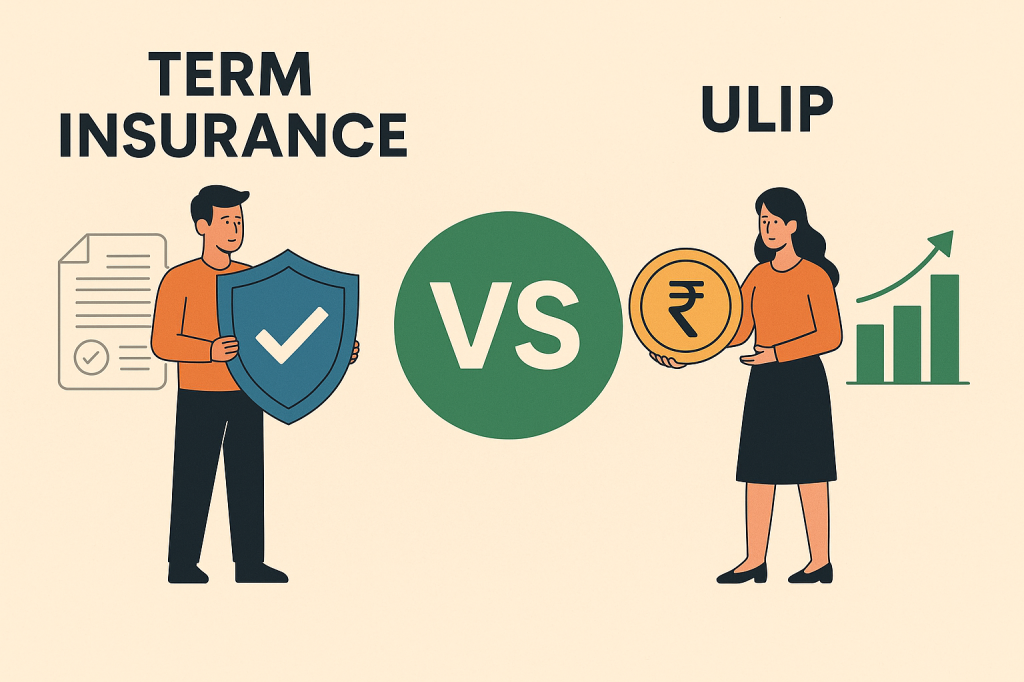
    When it comes to securing your family’s financial future, two popular options often come to mind — ULIPs (Unit Linked Insurance Plans) and Term Insurance Plans. Both offer unique benefits, but their objectives differ significantly. Understanding the difference between a ULIP vs Term Plan helps you make an informed decision that aligns with your financial goals.

    In this article, we’ll compare ULIPs and Term Insurance in detail — from their coverage, returns, tax benefits, and flexibility to who should choose which plan.


    ULIP vs Term Plan

    What is a ULIP (Unit Linked Insurance Plan)?

    A ULIP is a two-in-one product that combines investment and insurance. A portion of your premium goes towards providing life cover, while the rest is invested in market-linked instruments such as equity, debt, or balanced funds.

    Key Features of ULIPs:

    • Combines insurance and investment.
    • Returns depend on market performance.
    • Lock-in period of 5 years.
    • Offers fund-switching options between equity and debt.
    • Eligible for tax benefits under Section 80C and 10(10D).

    ULIPs are ideal for individuals who are comfortable with market risk and want to grow their wealth along with having a life cover.


    What is a Term Insurance Plan?

    A Term Insurance Plan is a pure protection plan that provides a life cover for a specific term. If the policyholder passes away during the policy tenure, the nominee receives a death benefit. However, there’s no maturity benefit if the insured survives the policy term.

    Key Features of Term Plans:

    • Pure protection — no investment component.
    • High coverage at a low premium.
    • Flexible policy terms (10 to 40 years).
    • Riders available for critical illness, accidental death, etc.
    • Tax benefits under Section 80C and 10(10D).

    Term Insurance is best for individuals who want financial protection for their family at the lowest possible cost.


    ULIP vs Term Plan

    ULIP vs Term Plan: Key Differences

    CriteriaULIPTerm Plan
    PurposeInvestment + InsurancePure Life Insurance
    PremiumHigher due to investment componentLower and affordable
    ReturnsMarket-linked (equity/debt)No returns unless death occurs
    Lock-in PeriodMinimum 5 yearsNo lock-in
    RiskDepends on market volatilityNo risk
    FlexibilityCan switch fundsLimited flexibility
    Tax BenefitsSection 80C & 10(10D)Section 80C & 10(10D)
    Best ForInvestors seeking wealth + coverFamilies seeking financial security

    Which One Should You Choose – ULIP or Term Plan?

    The choice between ULIP and Term Insurance depends on your financial objectives and risk appetite.

    • Choose ULIP if you want to build wealth while staying insured. It’s ideal for long-term investors with moderate-to-high risk tolerance.
    • Choose Term Plan if your primary goal is family protection. It’s cost-effective and provides a high sum assured at a minimal premium.

    For most people, it’s advisable to first buy a Term Plan to ensure protection and then invest separately through mutual funds or other instruments for wealth creation.


    Tax Benefits – ULIP vs Term Plan

    Both ULIPs and Term Plans offer tax benefits, but in different ways:

    • Premiums paid qualify for deduction under Section 80C.
    • Payouts are exempt under Section 10(10D) if conditions are met.
    • However, post the 2021 Budget, ULIP maturity proceeds are taxable if annual premiums exceed ₹2.5 lakh.

    So, for tax efficiency and simplicity, Term Insurance still holds an edge.


    ULIP vs Term Plan

    Common Myths About ULIPs and Term Plans

    1. Myth: ULIPs always give better returns.
      Fact: ULIP returns depend on market performance and fund selection.
    2. Myth: Term Insurance is a waste if you survive the term.
      Fact: The purpose of Term Insurance is protection, not returns.
    3. Myth: ULIPs have no charges.
      Fact: ULIPs include fund management, policy admin, and mortality charges.

    Conclusion

    Both ULIP and Term Plans play important roles in financial planning. A ULIP suits individuals who are financially stable and want to invest long-term, while a Term Plan is essential for everyone who has dependents and wants to ensure their family’s future.

    If you’re just starting out, begin with a Term Plan and later consider ULIPs as part of your investment portfolio.