
As climate change accelerates, countries and corporations worldwide are investing heavily in sustainability initiatives. One key financial mechanism supporting these efforts is the carbon credit market — a system that allows organizations to offset their greenhouse gas emissions by purchasing credits from projects that reduce or remove carbon dioxide from the atmosphere.
However, just like any other investment, carbon credit projects carry financial risks. From project failures and data discrepancies to regulatory shifts, several factors can undermine the credibility and value of carbon credits. This is where carbon credit insurance in India emerges as a crucial safeguard, offering protection against losses associated with carbon trading and climate-related investments.
Understanding Carbon Credits and Their Role
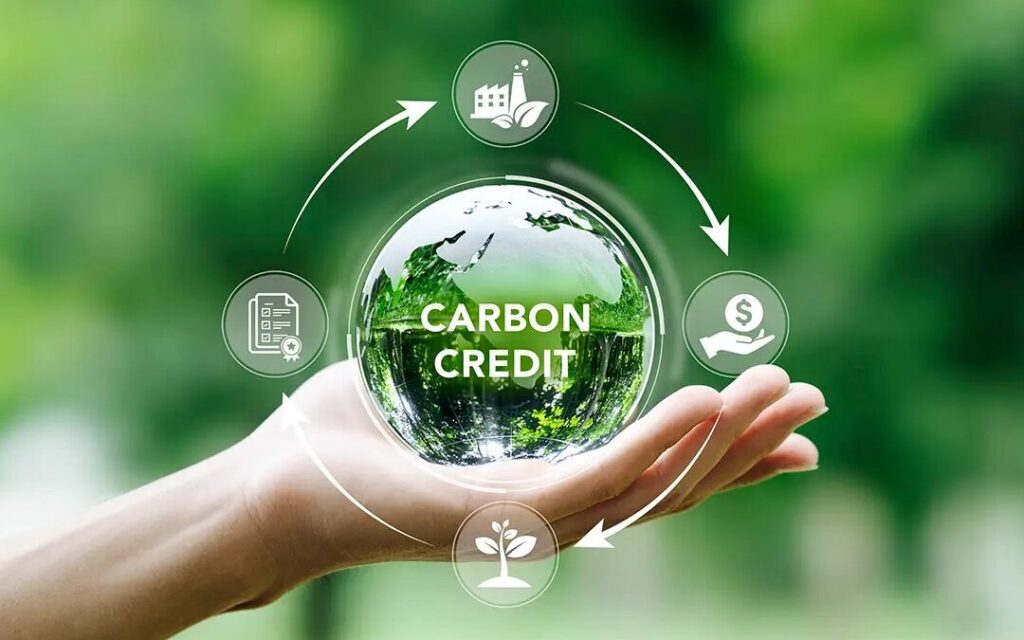
A carbon credit represents the reduction or removal of one metric ton of carbon dioxide (CO₂) or its equivalent in greenhouse gases from the atmosphere. These credits are traded in both voluntary and compliance markets, depending on whether the buyers are fulfilling mandatory emission caps or voluntarily offsetting their carbon footprint.
Projects that generate these credits include:
- Renewable energy projects (solar, wind, hydro)
- Reforestation and afforestation initiatives
- Waste management and methane capture projects
- Energy efficiency programs
In India, the carbon credit market has grown rapidly due to the government’s push toward renewable energy and its commitment to net-zero emissions by 2070. However, as this market expands, it also brings greater financial exposure — both for investors and for project developers.
The Need for Carbon Credit Insurance in India
While the carbon credit ecosystem promises significant rewards, it also faces numerous challenges that can lead to financial loss. These include:
- Verification delays or failures: Projects must be independently verified to issue carbon credits. Any error or delay can reduce credit value or cause non-compliance.
- Regulatory risks: Frequent changes in environmental policies can affect credit pricing or eligibility.
- Project performance risks: Poor implementation or natural disasters may lead to underperformance or project failure.
- Counterparty risks: Buyers or brokers may default on payment or fail to deliver verified credits.
- Market price volatility: The value of carbon credits fluctuates due to demand-supply imbalances or global policy changes.
To mitigate such risks, companies and investors are turning to carbon credit insurance, a specialized product designed to protect the financial integrity of climate projects.
What Is Carbon Credit Insurance?
Carbon credit insurance provides coverage for financial losses arising from issues such as project underperformance, non-delivery of verified credits, or carbon offset invalidation. The goal is to maintain confidence in the carbon market by ensuring that both buyers and sellers are protected against unforeseen setbacks.
This type of insurance can be structured to cover:
- Credit delivery failure: Protects against losses if a project fails to generate or deliver expected credits.
- Regulatory or verification failure: Covers financial loss due to rejection or invalidation of credits by verification agencies or regulatory bodies.
- Market risk: Provides partial protection from sudden price drops in carbon credit markets.
- Project interruption: Covers damage or interruption caused by natural disasters, political unrest, or technical failures.
By securing carbon credit insurance, project developers and investors gain financial assurance, improving the credibility and bankability of their environmental initiatives.
How Carbon Credit Insurance Works
Here’s a simplified look at how carbon credit insurance in India functions:
- Assessment: The insurer evaluates the project’s design, methodology, verification process, and projected credit yield.
- Policy Structuring: Based on risk factors, the insurer determines coverage terms — such as payout conditions, premium rates, and exclusions.
- Monitoring: The project’s performance is periodically reviewed to ensure compliance with certification standards.
- Claim Settlement: If a project fails to deliver verified credits or suffers financial losses due to covered risks, the insurer compensates the policyholder.
This mechanism not only protects the insured party but also fosters trust among investors and regulators.
Benefits of Carbon Credit Insurance
Implementing carbon credit insurance offers several tangible advantages:
1. Risk Mitigation
It shields investors and developers from financial loss due to project or verification failures, making carbon trading more secure and predictable.
2. Investor Confidence
Insurance enhances the credibility of carbon projects, attracting domestic and international investors looking for sustainable, low-risk opportunities.
3. Regulatory Compliance
Projects with insurance coverage are often seen as more reliable by certification bodies and regulators, improving the chances of approval and faster verification.
4. Market Stability
By reducing uncertainty, carbon credit insurance contributes to market stability and long-term growth in India’s carbon ecosystem.
5. Encouraging Innovation
When risks are managed effectively, organizations are more willing to explore innovative technologies for carbon reduction — such as bioenergy, carbon capture, and smart agriculture.

Carbon Credit Insurance Landscape in India
India’s participation in global carbon trading is expanding, with multiple renewable energy and forest restoration projects generating high-quality carbon credits. However, the insurance market for these credits is still developing.
Currently, specialized insurers and climate-risk management firms offer customized policies to cover carbon-related risks. With the Indian government’s increasing focus on green finance, the demand for carbon credit insurance in India is expected to rise significantly over the next decade.
Moreover, international players are showing interest in partnering with Indian insurers to provide expertise and reinsurance capacity for climate-linked products.
Challenges and the Way Forward
While promising, carbon credit insurance faces several challenges:
- Lack of standardized policy frameworks for carbon credit validation.
- Limited historical data to assess risk probabilities accurately.
- Low awareness among small and mid-sized project developers.
- Pricing complexity due to variable verification costs and project timelines.
To overcome these hurdles, collaborative efforts among insurers, regulators, and climate organizations are crucial. Establishing standard benchmarks for carbon project assessment and insurance underwriting will make these products more accessible and affordable.
Conclusion
As India continues its journey toward a sustainable future, ensuring the financial security of climate projects becomes increasingly important. Carbon credit insurance in India offers a vital layer of protection, enabling investors and developers to participate confidently in carbon trading while safeguarding their financial interests.
By combining environmental responsibility with financial innovation, carbon credit insurance is not just a protective measure — it is a catalyst for climate action, helping India move closer to its net-zero goals.
Leave a Reply