Category: Life Insurance

Welcome to our Life Insurance blog. Discover expert advice and valuable tips on choosing the right life insurance coverage for you and your loved ones. Whether you’re new to life insurance or looking to update your policy, our articles will guide you through understanding your options and securing the financial protection you need for the future.

  • Livestock Insurance in India: Protecting Farmers Beyond Crops

    Livestock Insurance in India: Protecting Farmers Beyond Crops

    Agriculture in India goes beyond just crops — livestock plays an equally vital role in the rural economy. For millions of Indian farmers, animals such as cows, buffaloes, goats, and poultry are key assets that provide income, food, and security. Yet, these animals face risks from diseases, accidents, and natural disasters. This is where livestock insurance in India becomes essential.


    What Is Livestock Insurance?

    Livestock insurance is a policy designed to protect farmers against the financial loss that occurs if their insured animals die or become permanently disabled due to accidents, diseases, or natural calamities. In India, this coverage is particularly crucial for small and marginal farmers who depend heavily on their livestock for daily livelihood.


    livestock insurance India

    Importance of Livestock Insurance in India

    Livestock contributes significantly to India’s GDP through dairy, poultry, and meat industries. However, disease outbreaks, floods, and droughts can lead to devastating losses. Livestock insurance in India ensures that farmers receive compensation quickly, allowing them to recover and sustain their income.

    Some key benefits include:

    • Financial security: Farmers are compensated for losses, reducing economic hardship.
    • Stability in income: Even after animal loss, farmers can sustain themselves.
    • Encouragement for better animal care: Insured farmers are more likely to maintain health records and vaccinations.
    • Support for rural development: With financial protection, rural communities remain resilient during crises.

    Coverage Under Livestock Insurance in India

    Typical policies cover:

    • Death due to diseases or accidents
    • Permanent disability leading to loss of productivity
    • Natural calamities like floods, lightning, and landslides
    • Theft or injury (in certain plans)

    However, exclusions may include death due to negligence, war, or unregistered animals.


    Government Support for Livestock Insurance

    The Government of India, through the Department of Animal Husbandry and Dairying, provides subsidized insurance schemes for farmers. Some initiatives include:

    • Livestock Insurance Scheme (LIS): Offers up to 50% subsidy on premium for farmers.
    • Rashtriya Gokul Mission: Promotes genetic improvement and provides coverage for high-value indigenous cattle.
    • State-specific schemes: Many states like Maharashtra and Gujarat run their own livestock protection programs.

    These efforts aim to improve livestock management and financial inclusion among rural populations.


    livestock insurance India

    How to Apply for Livestock Insurance in India

    Farmers can purchase policies through:

    • Government veterinary offices
    • Authorized insurance agents
    • Agricultural cooperative societies
    • Online platforms like KaroInsure for simplified insurance comparison and quick policy issuance

    Steps:

    1. Register your livestock with proper identification (ear tag or microchip).
    2. Submit documents like ownership proof, vaccination certificate, and ID.
    3. Pay the premium (subsidy applied for eligible farmers).
    4. Claim in case of loss with a veterinary certificate and death report.

    Challenges in Livestock Insurance Adoption

    Despite its benefits, awareness about livestock insurance in India remains low. Common challenges include:

    • Limited access to insurers in rural areas
    • Delays in claim settlements
    • Lack of awareness about policy terms and eligibility

    However, with growing digital insurance platforms like KaroInsure, farmers now have easier access to transparent, quick, and paperless insurance options.


    Conclusion

    Livestock insurance is more than just a financial product — it’s a lifeline for millions of Indian farmers. It ensures protection beyond crops, helps maintain income stability, and supports rural resilience. As awareness and accessibility grow, livestock insurance in India will continue to play a vital role in securing the future of the country’s agricultural backbone.

  • Blockchain in Insurance: Revolutionizing Trust and Transparency

    Blockchain in Insurance: Revolutionizing Trust and Transparency

    The insurance industry in India has always faced challenges related to data security, claim delays, and lack of transparency. With blockchain in insurance in India, these issues are being addressed through advanced, secure, and transparent systems that are transforming how insurers and policyholders interact.


    What Is Blockchain in Insurance?

    Blockchain is a decentralized digital ledger that records transactions across multiple computers securely and transparently. In the insurance sector, this means that every policy, claim, and payment can be verified and tracked without manual intervention — reducing errors and fraud.


    blockchain in insurance India

    How Blockchain Is Transforming the Indian Insurance Sector

    1. Enhanced Transparency

    With blockchain, all transactions are stored on a shared, immutable ledger. This means both insurers and policyholders can verify details in real time, ensuring greater trust and eliminating disputes.

    2. Faster Claims Processing

    Claims can be automated using smart contracts, which execute predefined actions when certain conditions are met. For instance, in motor insurance, a claim could automatically trigger when an accident report is filed and verified digitally.

    3. Reduced Fraud

    Insurance fraud is a major concern in India. Blockchain prevents tampering of data and ensures that every claim is verified through a transparent, secure network — reducing fraudulent claims significantly.

    4. Improved Data Security

    Blockchain uses encryption and distributed storage, making it nearly impossible for hackers to alter or steal sensitive customer data. This ensures better data protection and compliance with IRDAI regulations.

    5. Simplified Reinsurance and Policy Management

    Blockchain allows seamless data exchange between insurers and reinsurers, reducing manual paperwork and ensuring accurate, up-to-date policy information.


    Blockchain Applications in Indian Insurance

    • Health Insurance: Streamlining hospital records, medical histories, and claim settlements.
    • Motor Insurance: Automated claim validation through IoT and blockchain integration.
    • Crop Insurance: Tracking weather data and claim triggers for parametric insurance.
    • Life Insurance: Securing policyholder information and automating payouts.

    blockchain in insurance India

    Challenges in Adopting Blockchain in India

    • Lack of awareness and technical expertise.
    • Regulatory and data privacy hurdles.
    • High initial implementation costs for insurers.

    However, with government initiatives supporting digital transformation and IRDAI’s push for innovation, blockchain adoption is gradually increasing.


    The Future of Blockchain in Indian Insurance

    Blockchain technology has the potential to make insurance more customer-centric, efficient, and secure. As digital adoption rises, blockchain in insurance in India will play a crucial role in establishing trust and transparency in every transaction.


    Conclusion

    Blockchain is redefining how insurance works in India — making it smarter, faster, and more transparent. As more companies and regulators embrace this technology, policyholders can look forward to a future of hassle-free and trustworthy insurance experiences.

  • Top InsurTech Trends in India Shaping the Future of Insurance

    Top InsurTech Trends in India Shaping the Future of Insurance

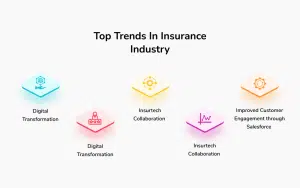
    The Indian insurance industry is undergoing rapid digital transformation, with technology becoming the driving force behind innovation. The rise of InsurTech — a blend of insurance and technology — has reshaped how policies are sold, managed, and claimed.

    From personalized digital platforms to AI-powered claim settlements, InsurTech trends India are redefining the customer experience and making insurance more accessible, transparent, and efficient.


    What Is InsurTech?

    InsurTech refers to the use of technology to improve and simplify insurance services. It includes innovations like mobile-based policy management, data analytics, automation, blockchain, and artificial intelligence that make insurance faster and more customer-centric.

    In India, InsurTech startups and established insurers are leveraging these tools to reach underinsured populations and modernize traditional insurance operations.


    InsurTech trends India

    1. Artificial Intelligence and Automation

    AI is at the core of the digital insurance revolution. From customer support chatbots to AI-driven underwriting, automation is streamlining every step of the process.

    AI helps insurers predict customer needs, detect fraud, and process claims faster — reducing costs and improving customer satisfaction.


    2. Usage-Based and On-Demand Insurance

    Modern consumers seek flexibility, and usage-based insurance (UBI) is answering that demand. Policies now adapt to how and when people drive, travel, or use gadgets.

    “Pay-as-you-drive” car insurance and “trip-based” travel insurance are perfect examples of how InsurTech trends India are redefining coverage models.


    3. Blockchain for Transparency

    Blockchain technology is enhancing trust between insurers and customers by enabling secure, tamper-proof data sharing. It simplifies claim validation and reduces fraud, ensuring faster settlements and transparent records.


    4. Digital Distribution and Embedded Insurance

    InsurTech has made buying insurance as easy as shopping online. Digital platforms and apps allow users to compare policies, renew online, and make claims instantly.

    Embedded insurance — where protection is automatically included with products like flights, phones, or loans — is also becoming a major trend in India.


    InsurTech trends India

    5. Predictive Analytics and Big Data

    Insurers now use big data and predictive analytics to assess risks more accurately. By analyzing customer behavior, lifestyle, and health data, they can offer more personalized insurance plans at competitive prices.


    6. Cloud-Based Solutions

    Cloud computing enables insurers to handle massive amounts of data efficiently, support online customer service, and offer remote policy management. It also helps InsurTech companies scale their operations quickly.


    7. Cyber Insurance and Data Security

    With growing digital adoption comes a rise in cyber risks. InsurTech companies are responding by developing specialized cyber insurance products for individuals and businesses to protect against data breaches, ransomware, and digital fraud.


    8. Collaboration Between Insurers and Startups

    Traditional insurance providers are partnering with agile InsurTech startups to accelerate innovation. These collaborations combine regulatory experience with technological creativity, resulting in smarter, faster, and more user-friendly solutions.


    The Future of InsurTech in India

    The future of insurance in India lies in personalization, automation, and digital-first experiences. As regulatory frameworks evolve and technology becomes more affordable, InsurTech adoption will continue to expand across rural and urban markets.

    In the coming years, expect AI-driven advisors, instant claims via mobile apps, and even insurance policies tailored through real-time data analytics.


    Conclusion

    InsurTech trends in India are redefining the way insurers and customers interact. With technology at its core, the industry is becoming more transparent, efficient, and customer-focused.

    For both policyholders and insurers, this digital transformation marks a new era of convenience and trust in the insurance ecosystem.

  • AI in Insurance Claims in India: Transforming the Future of Claim Processing

    AI in Insurance Claims in India: Transforming the Future of Claim Processing

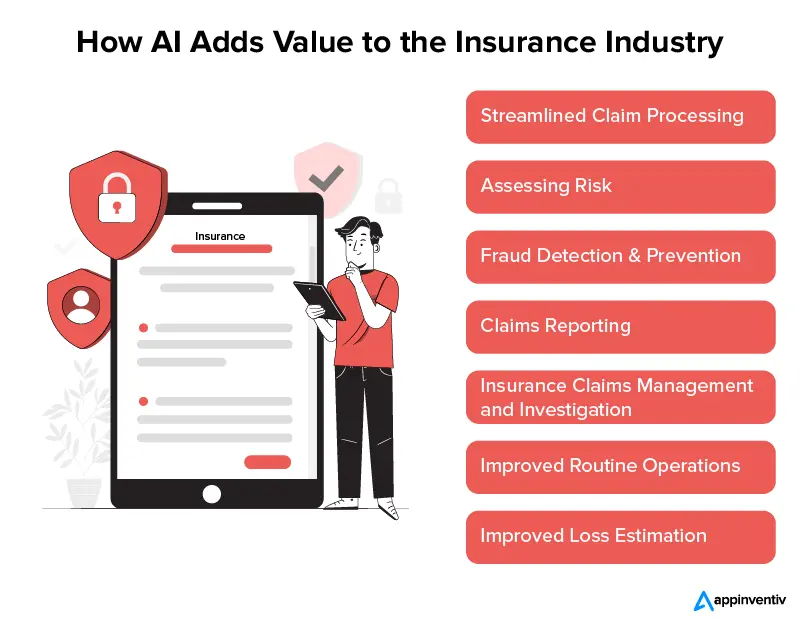
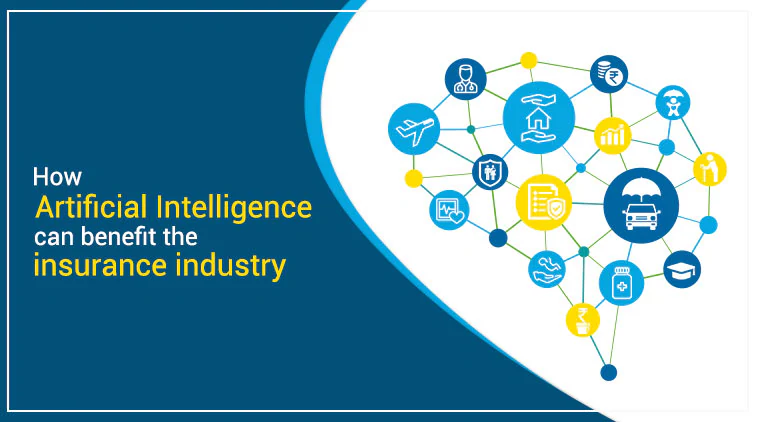
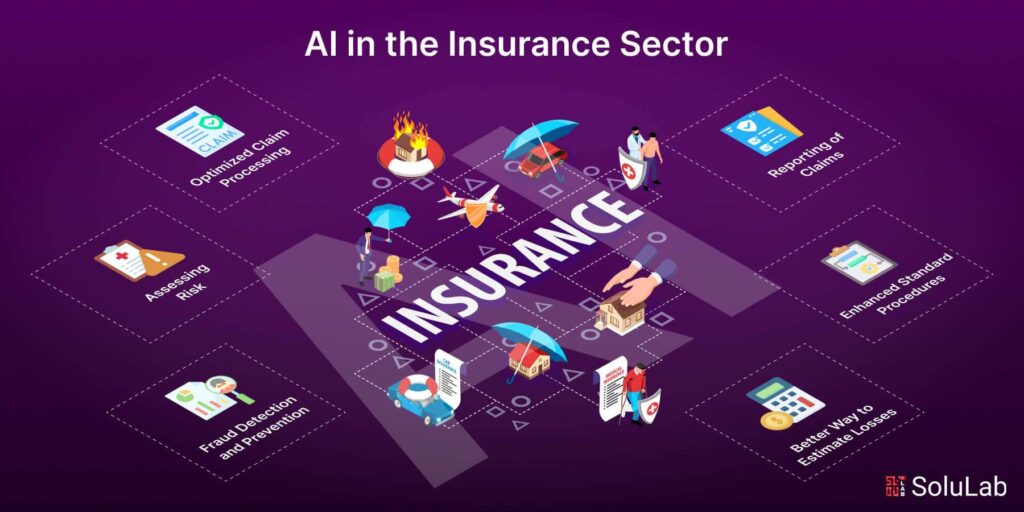
    The insurance industry in India is undergoing a major technological shift, and Artificial Intelligence (AI) is at the heart of this transformation. From policy management to risk analysis, AI is redefining how insurers operate. One area where it’s making a significant impact is claims processing — helping companies deliver faster, more accurate, and transparent results.

    This blog explores how AI in insurance claims India is changing the landscape for both insurers and policyholders.


    What Is AI in Insurance Claims?

    AI in insurance claims refers to the use of advanced technologies like machine learning, natural language processing (NLP), and computer vision to automate and optimize the claim lifecycle.

    From claim registration and verification to settlement, AI helps reduce manual errors, speed up assessments, and detect potential frauds in real time.


    How AI Is Revolutionizing Insurance Claims in India

    1. Automated Claim Processing
      AI-powered systems can process claims automatically by analyzing submitted data, documents, and photos — reducing processing time from days to minutes.
    2. Fraud Detection
      AI models identify suspicious patterns, inconsistencies, or duplicate claims, allowing insurers to detect fraud early and save substantial losses.
    3. Faster Claim Settlements
      With automation, policyholders get quicker responses and faster payouts, improving customer satisfaction.
    4. Improved Risk Assessment
      AI uses large datasets to evaluate risk profiles more accurately, ensuring fair claim settlements and premium pricing.
    5. Chatbots and Virtual Assistants
      AI chatbots help policyholders file claims, upload documents, and track status instantly — offering 24/7 customer support.

    AI in insurance claims India

    Benefits of AI in Insurance Claims for Policyholders

    • Speed and Efficiency: Instant claim registration and verification.
    • Accuracy: Reduced human errors during assessment.
    • Transparency: Real-time updates on claim status.
    • Fairness: Objective evaluation of claims without bias.

    For insurers, AI reduces operational costs, minimizes fraud, and enhances data-driven decision-making.


    Examples of AI in Action in Indian Insurance

    Many leading insurers in India are already adopting AI-driven solutions:

    • ICICI Lombard uses AI tools for instant motor claim approvals.
    • HDFC ERGO applies AI for automated health claim adjudication.
    • Bajaj Allianz leverages image recognition to assess car damage.

    These innovations demonstrate how AI in insurance claims India is improving both customer experience and operational efficiency.


    Challenges of Implementing AI in Claims

    While promising, AI implementation also comes with challenges such as:

    • Data privacy and compliance concerns.
    • High initial setup costs.
    • Need for skilled personnel to manage AI systems.

    However, with IRDAI’s focus on digital transformation, these hurdles are gradually being addressed.


    AI in insurance claims India

    The Future of AI in Insurance Claims in India

    As insurers invest in data analytics and automation, AI will become a core part of every stage of the claim process. In the coming years, we can expect:

    • Fully digital, paperless claim systems.
    • Predictive claim management for early fraud alerts.
    • Voice- and image-based claim submissions through mobile apps.

    AI will make insurance claims faster, fairer, and more customer-centric than ever before.


    Conclusion

    AI in insurance claims in India is no longer a futuristic concept — it’s a present-day reality driving massive improvements in speed, accuracy, and customer experience.

    By embracing AI, insurance companies can deliver seamless claim settlements while policyholders enjoy transparency and trust in the process.

  • Child Education Insurance in India: Secure Your Child’s Future with the Right Policy

    Child Education Insurance in India: Secure Your Child’s Future with the Right Policy

    Every parent dreams of giving their child the best education possible. However, rising tuition fees and the increasing cost of higher education can make this dream difficult to achieve. That’s where child education insurance in India comes in — a smart financial tool that helps you secure your child’s educational future even if life takes an unexpected turn.

    In this blog, we’ll explain what a child education insurance policy is, its benefits, and how to choose the best one for your needs.


    1. What Is Child Education Insurance in India?

    A child education insurance policy is a combination of life insurance and investment designed to ensure that your child’s education is financially secure. In case of any unforeseen event, the policy provides financial support for school or college fees, ensuring that your child’s dreams continue uninterrupted.

    There are two main types of child education plans:

    • Traditional Child Plans: Offer guaranteed returns and a lump-sum payout at maturity.
    • Unit-Linked Insurance Plans (ULIPs): Combine insurance with market-linked investments for potentially higher returns.

    child education insurance India

    2. Why You Need Child Education Insurance in India

    With education costs rising by almost 10–12% annually, relying solely on savings is risky. A child education insurance plan helps you:

    • Build a dedicated education fund over time.
    • Protect your child’s goals even if you’re not around.
    • Ensure financial stability during higher education years.
    • Enjoy tax benefits under Sections 80C and 10(10D) of the Income Tax Act.

    3. Key Benefits of Child Education Insurance

    Here are the top advantages of investing in a child plan:

    • Financial Security: Guarantees your child’s education is not interrupted.
    • Goal-Based Planning: The funds grow in alignment with your child’s future goals.
    • Waiver of Premium: In case of the parent’s death, future premiums are waived, and the plan continues.
    • Dual Benefits: Provides both life cover and investment returns.
    • Flexible Withdrawals: Partial withdrawals can help meet specific milestones like tuition or coaching fees.

    4. How to Choose the Right Child Education Plan

    Choosing the best child education insurance in India depends on a few key factors:

    • Start Early: The earlier you invest, the higher your returns due to compounding.
    • Compare Plans: Use trusted platforms like KaroInsure to compare premiums, benefits, and maturity values.
    • Evaluate Riders: Add riders like accidental death or critical illness for extra protection.
    • Check Flexibility: Look for options to modify premiums or withdrawal terms.

    child education insurance India

    5. Common Mistakes to Avoid

    When buying child education insurance in India, avoid these common errors:

    • Starting late — you’ll miss out on compounding benefits.
    • Choosing a policy without understanding its terms.
    • Ignoring inflation when estimating education costs.
    • Not reviewing your plan periodically.

    6. Why Choose KaroInsure for Child Education Insurance

    At KaroInsure, we simplify the process of finding the right child education insurance in India. You can easily compare policies from leading insurers, get expert guidance, and choose a plan that fits your financial goals.


    Conclusion

    Your child’s education is one of the most important investments you’ll ever make. By securing a child education insurance policy in India, you ensure that no matter what happens, your child’s academic future remains bright and uninterrupted.

    Start planning today with KaroInsure — because your child deserves a future without financial barriers.

  • Understanding Term Life Insurance: A Beginner’s Guide

    Understanding Term Life Insurance: A Beginner’s Guide

    In today’s uncertain world, Term Life Insurance has become one of the most important financial safety nets for families. It’s simple, affordable, and designed to ensure that your loved ones remain financially secure even if life takes an unexpected turn. For anyone new to insurance, understanding how term life insurance works can help make smarter financial decisions and plan a stable future.

    At KaroInsure, we simplify insurance for everyone — helping you understand, compare, and buy the right protection for your family’s needs.


    What Is Term Life Insurance?

    Term life insurance is a straightforward policy that provides financial coverage for a fixed period — called the “term.” If the policyholder passes away during this period, the insurer pays a lump sum (known as the sum assured) to the nominee.

    Unlike other life insurance types that combine investment or savings, term insurance focuses purely on financial protection. That’s what makes it affordable and easy to understand, especially for first-time buyers.


    How Does Term Life Insurance Work?

    The working principle of term life insurance is simple:

    1. Choose your coverage amount (sum assured).
    2. Select the policy term (for example, 10, 20, or 30 years).
    3. Pay premiums regularly — monthly, quarterly, or yearly.
    4. If the policyholder passes away during the term, the nominee receives the benefit.

    If the policyholder survives the policy term, there’s no maturity benefit unless the plan includes a return of premium feature.


    Understanding Term Life Insurance

    Benefits of Term Life Insurance

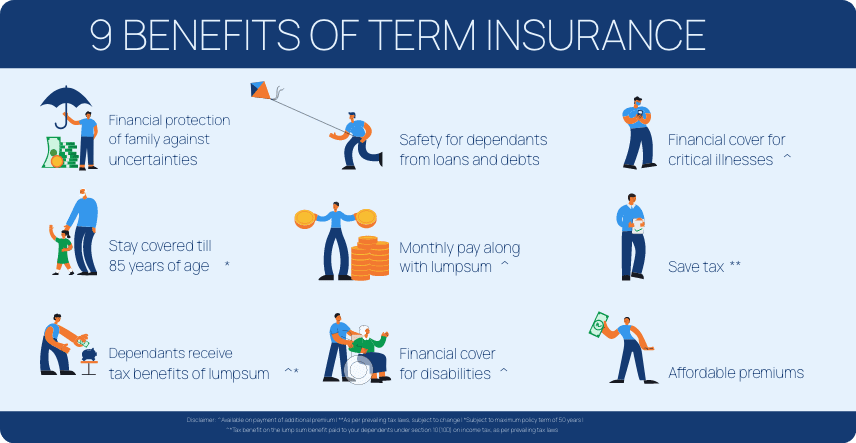
    There are several reasons why term life insurance is essential for every earning individual:

    • Affordable Protection: Get high coverage (even up to ₹1 crore) at a low premium.
    • Family Security: Ensures that your dependents can maintain their lifestyle and meet financial goals.
    • Debt Protection: Covers ongoing EMIs, loans, and other liabilities.
    • Tax Savings: Premiums qualify for tax benefits under Section 80C, and payouts are tax-free under Section 10(10D).
    • Flexible Options: You can customize coverage with riders like accidental death or critical illness cover.

    At KaroInsure, we help customers compare these benefits across leading Indian insurers to find the best match for their needs.


    Why Term Life Insurance Matters in India

    India’s young working population faces multiple financial responsibilities — EMIs, education costs, and long-term family goals. A sudden loss of income can disrupt an entire household. That’s why term life insurance has become a necessity rather than a choice.

    Buying term insurance early also helps you lock in lower premiums. Younger applicants are healthier and considered lower risk by insurers.


    Types of Term Life Insurance Plans

    Term plans come in different types to suit various needs and lifestyles:

    • Level Term Plan: Fixed coverage throughout the policy term.
    • Increasing Term Plan: The coverage amount increases annually to offset inflation.
    • Decreasing Term Plan: Ideal if your financial liabilities (like a home loan) reduce over time.
    • Return of Premium Plan: Refunds your total premiums if you survive the term.
    • Joint Term Plan: Covers both partners in a single policy.

    KaroInsure compares all these types across trusted insurers in India, ensuring you get transparent and value-driven options.


    Common Mistakes to Avoid

    New buyers often make simple yet costly mistakes when purchasing a policy. Avoid these to ensure maximum benefit:

    • Choosing insufficient coverage for your family’s future expenses.
    • Ignoring the insurer’s claim settlement ratio.
    • Providing incomplete or incorrect health information.
    • Delaying the decision — as premiums increase with age.

    With KaroInsure, every policy recommendation is based on transparency, affordability, and your financial goals.


    Understanding Term Life Insurance

    How to Choose the Right Term Plan

    Choosing the right policy depends on your income, family size, debts, and future aspirations.
    Here’s how KaroInsure helps simplify this process:

    1. Compare Plans: Get unbiased comparisons from multiple IRDAI-approved insurers.
    2. Understand Coverage: Learn what’s included, excluded, and available as add-ons.
    3. Get Expert Support: From choosing to claim, KaroInsure guides you every step of the way.

    Real Example: Why Early Planning Pays Off

    Consider two individuals — one who buys a term plan at age 25 and another at 35. The younger buyer pays almost half the premium for the same coverage because age and health significantly influence insurance cost. That’s why starting early is always the smarter move.


    Conclusion

    Understanding term life insurance is the first step toward securing your family’s financial future. It offers peace of mind, long-term stability, and protection at an affordable cost.

    As a beginner, remember: the best policy isn’t always the cheapest — it’s the one that meets your needs completely. With KaroInsure, you can compare trusted insurers, understand every clause clearly, and make a confident choice for your loved ones.

  • Marriage Insurance & Event Insurance in India: Covering Big-Day Risks You Never Considered

    Marriage Insurance & Event Insurance in India: Covering Big-Day Risks You Never Considered

    Weddings and large events are joyous occasions, but they also come with financial and logistical risks that many couples and organizers never anticipate. From weather disruptions to vendor defaults, mishaps can lead to significant financial losses. This is where marriage insurance and event insurance in India step in — providing peace of mind and protecting your big day from unexpected expenses.

    In this guide, we’ll explore what these insurance policies cover, why they are becoming increasingly popular, and what gaps you should be aware of before purchasing coverage.


    Marriage Insurance and Event Insurance in India

    What Is Marriage & Event Insurance in India?

    Marriage insurance and event insurance are specialized policies designed to protect weddings, parties, corporate events, and other large gatherings against unforeseen incidents. These policies typically cover financial losses, property damage, and liabilities that may arise before, during, or after the event.

    While traditional insurance covers health, vehicles, and property, event insurance in India is tailored to high-cost, one-time events, where last-minute cancellations or accidents can create significant stress and expense.


    Why Marriage & Event Insurance Is Becoming Popular

    Several factors are driving the rise of wedding and event insurance in India:

    1. Increasing Wedding Costs: Modern Indian weddings can run into lakhs or even crores, making financial protection essential.
    2. Vendor & Supplier Risks: Delays, defaults, or non-performance by vendors can ruin the event and incur additional costs.
    3. Weather & Natural Disasters: Outdoor events are vulnerable to rain, storms, or floods.
    4. Health Risks & Emergencies: Medical emergencies affecting key participants can disrupt the event.
    5. Peace of Mind: Couples and event organizers prefer financial security and reassurance against the unexpected.

    Types of Coverage Offered

    Marriage insurance and event insurance policies typically include a combination of the following coverages:

    1. Event Cancellation or Postponement

    Covers financial losses if the event is canceled or postponed due to unforeseen circumstances like illness, accidents, or extreme weather.

    2. Venue & Vendor Protection

    Covers losses from venue damage, vendor defaults, or service failures, including decorators, caterers, photographers, or entertainment providers.

    3. Property Damage or Theft

    Protects expensive decor, gifts, jewelry, or rented equipment in case of theft, fire, or accidental damage.

    4. Liability Coverage

    Provides protection against third-party injuries or accidents that occur during the event, including legal expenses.

    5. Specialized Add-ons

    Some policies offer bridal/groom accident coverage, gift protection, or cancellation due to key participant illness.


    Who Needs Marriage & Event Insurance in India?

    • Couples Planning a Wedding: Especially if spending large sums on multiple venues, decor, and entertainment.
    • Event Planners & Organizers: Ensures client events are financially protected against mishaps.
    • Corporate Event Managers: Protects against conference or launch cancellations, technical failures, or liabilities.
    • Families Hosting Large Gatherings: Cultural or religious events can benefit from coverage for unexpected disruptions.

    Costs of Marriage & Event Insurance

    Premiums depend on factors like:

    • Total event cost
    • Number of guests and duration
    • Type of coverage chosen
    • Risk factors like outdoor venues or high-value jewelry
    • Optional add-ons (like natural calamity cover, gift protection, or cancellation cover)

    On average, premium rates can range from 0.5% to 2% of the total event cost. For a wedding costing ₹50 lakhs, premiums may range between ₹25,000 and ₹1,00,000, depending on coverage limits and add-ons.


    Marriage Insurance and Event Insurance in India

    What’s Usually Not Covered

    • Pre-existing vendor agreements issues not declared in advance
    • Intentional acts or negligence by the insured
    • Certain natural disasters if not specifically included
    • Event planning errors or aesthetic dissatisfaction
    • Losses due to political unrest or terrorism may require special riders

    It’s crucial to read policy terms carefully to understand limits and exclusions before purchasing.


    Popular Providers in India

    Some insurers now offer specialized marriage and event insurance products:

    • ICICI Lombard Event & Wedding Insurance
    • Bajaj Allianz Wedding Insurance
    • HDFC ERGO Event Insurance
    • Future Generali Marriage Insurance
    • New India Assurance Event Policies

    These insurers often provide customizable plans, digital issuance, and easy claim processing.


    Benefits of Marriage & Event Insurance

    1. Financial Protection: Safeguards your investment against unforeseen events.
    2. Peace of Mind: Reduces stress for couples and organizers during planning.
    3. Vendor Confidence: Assures suppliers and venues of secured financial arrangements.
    4. Legal Liability Coverage: Protects against lawsuits due to accidents or injuries.
    5. Customizable Plans: Choose coverage based on your budget and risk priorities.

    Gaps & Considerations

    While useful, there are gaps to be aware of:

    • Many policies exclude certain high-risk scenarios unless you opt for add-ons.
    • Claims can take time, especially for complex event disruptions.
    • Coverage for sentimental items like heirlooms may be limited.
    • Not all policies include pandemic or epidemic-related cancellations (post-COVID, this is important).
    • Policies are generally short-term and specific to one event; you’ll need a new plan for each event.

    Marriage Insurance and Event Insurance in India

    Tips for Choosing the Right Event Insurance

    1. Assess Event Risks: Evaluate potential threats like weather, vendors, or guest accidents.
    2. Compare Multiple Policies: Look at coverage, limits, exclusions, and add-ons.
    3. Read Terms Carefully: Check for sub-limits, waiting periods, and claim procedures.
    4. Consult an Insurance Advisor: Specialized event insurance is not standard; expert advice helps.
    5. Buy Early: Purchase the policy well before the event to cover pre-event contingencies.

    Conclusion

    As wedding and event costs rise in India, marriage insurance and event insurance are no longer optional for those seeking financial protection and peace of mind. By covering vendor defaults, cancellations, property damage, and liabilities, these policies let you focus on enjoying your big day, rather than worrying about unforeseen risks.

    For couples, families, and event planners alike, investing in a comprehensive event insurance plan today ensures that your special occasion is memorable for the right reasons — not marred by avoidable financial stress.

  • Buy-Now-Pay-Later Premiums: Is EMI Option for Insurance the Future?

    Buy-Now-Pay-Later Premiums: Is EMI Option for Insurance the Future?

    In recent years, the financial landscape has undergone a remarkable transformation. From online shopping to education, the Buy Now, Pay Later (BNPL) model has revolutionized how people make payments. Now, this trend is entering a new domain — insurance premiums. The idea of paying your insurance premium in easy monthly installments (EMIs) is gaining popularity across India and beyond.

    But is this just a passing trend, or does it represent the future of insurance payments? Let’s dive deep into what BNPL premiums are, how they work, their pros and cons, and what they mean for the future of the insurance sector.


    Understanding the Buy-Now-Pay-Later (BNPL) Model

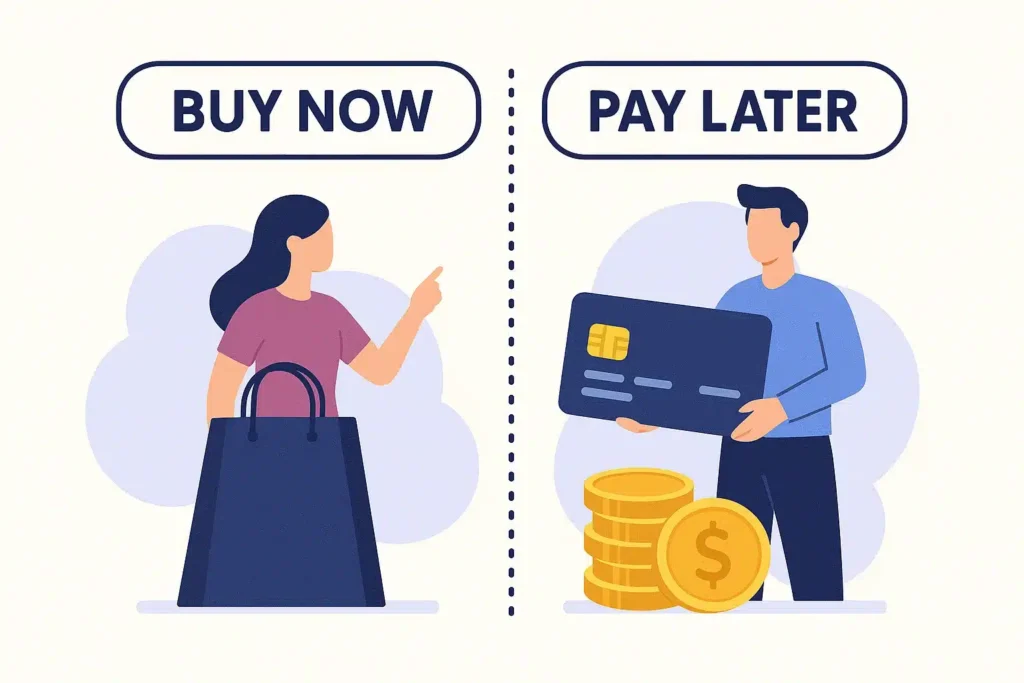
    The BNPL model allows customers to buy products or services immediately and pay for them later in flexible installments. It’s like a modern twist on credit — easy to access, transparent, and interest-free in many cases.

    When applied to insurance, BNPL means that instead of paying the entire premium at once, policyholders can split their premium into multiple EMIs. This flexibility helps individuals manage their cash flow better while still maintaining adequate insurance coverage.

    For example, if an annual health insurance premium costs ₹24,000, instead of paying the full amount upfront, a policyholder can choose to pay ₹2,000 per month for 12 months through a BNPL or EMI option.


    Buy-Now-Pay-Later premiums

    Why the Shift Toward EMI-Based Premiums?

    The demand for BNPL insurance premiums is driven by several key factors:

    1. Financial Flexibility

    Many consumers, especially millennials and Gen Z, prefer spreading out large payments. The EMI option for insurance aligns with their budgeting habits, making insurance more accessible without financial strain.

    2. Increasing Insurance Awareness

    As awareness of health, life, and vehicle insurance grows, more individuals want coverage — but affordability remains a challenge. EMI-based payments bridge this affordability gap.

    3. Technological Innovation

    Insurtech companies are making insurance simpler, faster, and more digital. Integrating Buy Now Pay Later Premiums options into apps and websites allows for a smoother customer experience and encourages more people to stay insured.

    4. Economic Pressures

    Post-pandemic financial constraints have led consumers to seek flexible payment options. Paying in installments helps them maintain important policies even when budgets are tight.


    How EMI Options for Insurance Work

    The process of converting your insurance premium into EMIs is straightforward:

    1. Choose the Policy: Select your insurance type (health, motor, term life, etc.).
    2. Select Payment Option: At checkout, choose the EMI or BNPL option instead of a lump sum payment.
    3. Verify and Approve: A quick credit check (if applicable) or verification is done.
    4. Payment Schedule: Your premium is automatically divided into equal monthly installments, often with little to no interest.

    Many insurers partner with fintech platforms or banks to offer these EMI options. For instance, companies like Policybazaar, Paytm Insurance, and Bajaj Finserv already provide BNPL premium facilities.


    Advantages of Buy-Now-Pay-Later Premiums

    1. Makes Insurance Affordable

    The most obvious benefit is affordability. People who couldn’t afford to pay large annual premiums can now easily manage monthly payments.

    2. Expands Insurance Penetration

    India has one of the lowest insurance penetration rates in the world. EMI options can change that by encouraging more people to buy insurance.

    3. Encourages Timely Renewals

    When premiums are easier to pay, policyholders are less likely to let their policies lapse. This ensures continuous coverage and peace of mind.

    4. Boosts Digital Adoption

    As the insurance industry goes digital, BNPL integrations make purchasing policies online more convenient and user-friendly.

    5. Attracts Younger Demographics

    Younger consumers prefer flexibility and digital-first solutions. EMI-based premiums align perfectly with their expectations and lifestyle.


    Buy-Now-Pay-Later premiums

    Challenges and Risks of Buy Now Pay Later Premiums

    While the EMI model sounds promising, it’s not without its downsides.

    1. Hidden Costs

    Some insurers or fintech partners may charge processing fees or interest, which can increase the total cost over time.

    2. Dependence on Creditworthiness

    Not everyone qualifies for BNPL or EMI options. People with poor credit scores may face rejection or higher charges.

    3. Risk of Over-Leveraging

    Easy monthly payments can sometimes lead consumers to over-commit financially, buying multiple policies they can’t sustain in the long run.

    4. Operational Complexity

    For insurers, integrating BNPL systems means extra coordination with payment gateways and financial partners — which can be challenging for traditional insurance companies.


    BNPL Insurance in India: Current Trends

    The concept of BNPL insurance is still evolving in India, but adoption is rising fast.
    Here are some ongoing trends:

    • Health insurance is leading the BNPL charge, as medical policies often have higher premiums.
    • Fintech startups are partnering with insurers to offer instant EMI conversions.
    • Zero-cost EMI plans are becoming a popular marketing tool for attracting customers.
    • Regulators like IRDAI are monitoring the model to ensure consumer protection and transparency.

    With the government pushing for “Insurance for All by 2047”, BNPL can play a critical role in expanding coverage to lower-income and rural populations.


    Buy-Now-Pay-Later premiums

    Global Perspective: BNPL in Insurance Worldwide

    In countries like the US, UK, and Australia, BNPL models are already well integrated into insurance. Many consumers pay for car or health insurance through monthly subscription-style plans rather than one-time premiums.

    This global trend indicates that EMI-based insurance is not just a short-lived innovation — it’s part of a broader movement toward flexible financial ecosystems. As India continues to embrace digital payments and financial inclusion, it’s likely that similar adoption patterns will emerge domestically.


    The Future of EMI Options in Insurance

    The future of insurance payments looks set to evolve around flexibility, accessibility, and technology. With more insurers collaborating with fintech players, BNPL premiums could become a standard payment method rather than a special feature.

    In the coming years, we might see:

    • Subscription-based insurance models where policies renew automatically each month.
    • AI-driven affordability scoring to determine EMI eligibility instantly.
    • Dynamic payment plans based on usage or income.
    • Integration with UPI and digital wallets for seamless automated payments.

    Conclusion

    The concept of Buy-Now-Pay-Later premiums is more than just a payment trend — it’s a financial innovation that makes insurance accessible to millions. While challenges like credit checks and hidden fees remain, the overall benefits — affordability, inclusivity, and convenience — are undeniable.

    As the digital economy continues to grow, EMI-based premiums could well become the future of insurance. By making insurance easier to buy, maintain, and renew, this model has the potential to transform financial protection for everyone.

  • Family Floater Health Plans in India — Why One Policy Is Better Than Many

    Family Floater Health Plans in India — Why One Policy Is Better Than Many

    Managing healthcare expenses for an entire family can be challenging, especially as medical costs continue to rise across India. Instead of juggling multiple health insurance policies for each member, more people are now opting for family floater health insurance in India — a single plan that covers all family members under one umbrella.

    These policies not only simplify management but also make coverage more affordable and flexible. As families look for smarter ways to secure their health, understanding how family floater health insurance in India works can help you make an informed financial decision.


    1. What Is a Family Floater Health Insurance Plan?

    A family floater plan is a single health insurance policy that covers the entire family, sharing one sum insured. Instead of buying separate individual plans, you pay one premium, and the total coverage can be used by any insured member in case of hospitalization.

    For example, a ₹10 lakh family floater policy may include two adults and two children. If one member uses ₹3 lakh for treatment, the remaining ₹7 lakh is still available for the rest of the family during the same policy year.

    This flexible structure makes family floater health insurance in India a convenient and economical choice for households.


    family floater health insurance India

    2. Why Family Floater Plans Are Becoming Popular in India

    The rising awareness of medical inflation, combined with the need for convenience, has made family floater health insurance in India increasingly popular among urban and middle-class families.

    Some key reasons include:

    • Affordability: One premium for multiple members is more cost-effective.
    • Ease of management: Fewer renewals and simpler claim handling.
    • Flexibility: The sum insured can be used by any family member.
    • Coverage expansion: Most plans now include maternity, newborn, and preventive care benefits.

    3. How Family Floater Health Insurance Works

    In a family floater health insurance plan, all covered members share a single sum insured. Typically, these plans cover:

    • Spouse
    • Children (biological, adopted, or stepchildren)
    • Dependent parents or in-laws

    When one person makes a claim, the available coverage for others reduces proportionately for that policy year.

    For example, if your ₹10 lakh plan covers four members and one member uses ₹4 lakh, the remaining ₹6 lakh remains available for the rest.

    This structure makes family floater health insurance in India ideal for families where members are at different life stages and health levels.


    4. Benefits of Family Floater Health Insurance in India

    a. Cost-Effective Premiums

    Instead of paying individual premiums for each member, you pay a single amount that usually costs 25–35% less overall.

    b. Simplified Policy Management

    Renewals, claims, and paperwork are streamlined under one policy. You don’t need to track multiple plans or renewal dates.

    c. Higher Coverage for Younger Families

    Family floater plans work best when the family has younger members with lower health risks. It allows optimal use of shared coverage.

    d. Tax Benefits

    Premiums paid toward family floater health insurance in India are eligible for deductions under Section 80D of the Income Tax Act.

    e. Add Flexibility for New Members

    You can easily add new dependents, such as a newborn or spouse, at the time of renewal without needing a separate policy.


    5. Who Should Choose a Family Floater Plan?

    Family floater policies are ideal for:

    • Young couples starting a family.
    • Nuclear families with children under 25 years of age.
    • Working professionals who prefer easy policy management.

    However, if your parents are elderly or have pre-existing health conditions, it’s better to have individual health insurance for them, as they may consume a significant portion of the shared coverage.


    6. Factors to Consider Before Buying

    Before purchasing family floater health insurance in India, keep the following factors in mind:

    1. Sum Insured: Choose coverage based on family size, age, and city of residence.
    2. Age of Eldest Member: Premium is calculated based on the oldest insured person, so consider separate plans for senior citizens.
    3. Network Hospitals: Ensure the insurer offers cashless facilities at reputed hospitals near you.
    4. Maternity & Newborn Benefits: Check if your policy includes maternity cover, waiting periods, and child coverage.
    5. Renewability: Opt for lifelong renewability so you can extend protection indefinitely.

    7. Best Features to Look For in a Family Floater Plan

    To make the most of family floater health insurance in India, choose a policy that includes:

    • Cashless hospitalization
    • Annual health checkups
    • No-claim bonuses
    • Coverage for daycare and domiciliary treatments
    • Restoration of sum insured if it’s used during the year

    These features add long-term value and peace of mind for the entire family.


    family floater health insurance India

    8. Top Insurers Offering Family Floater Health Insurance in India

    Several trusted companies offer comprehensive family floater plans, including:

    • HDFC ERGO Health Suraksha Family Plan
    • Niva Bupa Health Companion
    • Star Health Family Optima
    • Care Health Family Plan
    • ICICI Lombard Complete Health Insurance

    These insurers provide customizable coverage, digital claim processing, and wide hospital networks.


    9. Digital Platforms Simplifying Policy Purchase

    Buying family floater health insurance in India is now easier than ever. Online platforms like Policybazaar, Coverfox, and InsuranceDekho let you:

    • Compare premiums and benefits instantly
    • Buy or renew policies online
    • File and track claims digitally

    This digital convenience ensures that you can secure your family’s health without paperwork or agent dependency.


    10. Why One Policy Is Better Than Many

    Managing multiple health policies can be complicated and expensive. A single family floater health insurance plan streamlines everything — one premium, one renewal, and unified protection.

    It ensures that funds are optimally utilized, offers flexibility for new members, and reduces administrative hassles. Most importantly, it brings the entire family under one safety net, fostering both convenience and confidence.


    Conclusion

    Healthcare costs in India are rising, but managing protection doesn’t have to be complicated. With family floater health insurance in India, you can simplify your financial planning and ensure everyone in your family is covered without the burden of multiple policies.

    Whether you’re a young couple or a growing family, this all-in-one approach to health coverage ensures peace of mind, financial security, and long-term savings.

  • How Gen Z Is Redefining Insurance in India — The Rise of Digital-First Policies

    How Gen Z Is Redefining Insurance in India — The Rise of Digital-First Policies

    The insurance industry is changing rapidly, and much of this transformation is being driven by Gen Z insurance trends in India. This new generation of digital natives is redefining how insurance is bought and managed while challenging old ideas about financial protection. From paperless onboarding to personalized health plans, Gen Z is transforming how insurers connect with young, tech-savvy customers.


    1. A Shift From Obligation to Empowerment

    For decades, buying insurance in India was seen as a tax-saving obligation. However, Gen Z insurance in India shows a major mindset shift — young people now view insurance as empowerment.

    They buy policies because they value independence and control, not just to meet financial requirements. Gen Z sees insurance as a modern financial tool that provides freedom and security.


    Gen Z Insurance Trends in India

    2. Digital-First Behavior and Instant Access

    One of the strongest Gen Z insurance trends is the demand for instant access. This generation expects everything — from quotes to claims — to happen online, quickly and transparently.

    They prefer insurers that offer:

    • Quick comparisons and instant digital policies
    • Chat-based support and mobile-friendly dashboards
    • Transparent pricing and paperless claims

    This shift reflects how technology is redefining digital insurance for Gen Z in India.


    3. Health, Wellness, and Mental Wellbeing

    Among emerging insurance trends for young Indians, there’s growing focus on health and mental wellness. Gen Z buyers look beyond hospitalization — they want coverage for preventive care, fitness rewards, and mental health consultations.

    Insurance is no longer just about emergencies; it’s about lifestyle protection.


    4. Personalization Over One-Size-Fits-All

    Gen Z doesn’t want generic plans. They demand flexible, tailored coverage that fits their goals — from freelancers needing income protection to creators insuring their gadgets.

    This personalization wave represents the future of Gen Z insurance in India, where customization and clarity replace standard, rigid policies.


    5. Trust and Transparency

    Trust defines this generation’s relationship with insurance providers. Young Indians carefully read terms, compare reviews, and expect full clarity about exclusions and claims.

    Brands that maintain honesty and transparency earn lasting loyalty in this new era of Gen Z-driven insurance.


    6. Social Media and Financial Awareness

    Social media has become one of the most powerful tools shaping Gen Z insurance awareness in India. Through YouTube, Instagram, and finance creators, young buyers learn about premiums, coverage, and benefits in plain, relatable language.

    This accessibility has made insurance less intimidating and far more engaging for first-time buyers.


    7. Subscription and On-Demand Models

    Flexibility remains one of the strongest Gen Z insurance trends in India. Instead of long-term commitments, they prefer pay-as-you-go or on-demand policies.

    Examples include:

    • Motor insurance based on usage
    • Travel policies activated per trip
    • Event-based or gadget microinsurance

    These models make insurance affordable and relevant for the modern lifestyle.


    Gen Z Insurance Trends in India

    8. Eco-Conscious and Ethical Choices

    Sustainability also influences how young Indians choose their insurers. Companies offering paperless policies, green incentives, and eco-friendly practices attract Gen Z buyers who want their values reflected in their financial choices.


    9. Integration With Digital Ecosystems

    Insurance today is part of a connected digital lifestyle. Many Gen Z consumers expect integration with health apps, wallets, and wearables — a defining trend in modern insurance for Gen Z.

    This seamless connectivity makes policies easier to manage and encourages preventive, data-driven wellness.


    10. Balancing Technology and Human Empathy

    While Gen Z prefers automation, they still value empathy when it matters most. The best insurers will balance AI-driven convenience with human support during claims or emergencies.

    This hybrid approach represents the next phase of Gen Z insurance innovation in India.


    Conclusion

    The future of India’s insurance market is being reshaped by a generation that values clarity, speed, and personalization. Gen Z insurance trends in India reveal a new era of trust and technology — one where insurers must adapt to win loyalty through simplicity, transparency, and purpose.

    For insurers, this is not just a demographic shift — it’s a mindset revolution.