Category: Life Insurance

Welcome to our Life Insurance blog. Discover expert advice and valuable tips on choosing the right life insurance coverage for you and your loved ones. Whether you’re new to life insurance or looking to update your policy, our articles will guide you through understanding your options and securing the financial protection you need for the future.

  • Why Most Indians Delay Buying Insurance — The Psychology Behind Financial Decisions

    Why Most Indians Delay Buying Insurance — The Psychology Behind Financial Decisions

    In India, insurance is often treated like a low-priority item on the financial checklist — something to think about “later.” Despite rising awareness, only a fraction of the Indian population has adequate life or health coverage. According to IRDAI data, India’s insurance penetration remains significantly lower compared to global averages.

    But why do so many Indians delay buying insurance even when they know it’s important? The answer lies not just in income or affordability but in psychological behavior, cultural attitudes, and financial perceptions that shape how Indians make money-related decisions.

    This article explores the psychology behind why Indians delay buying insurance, the emotional and social barriers involved, and what can be done to change this mindset.


    1. The Cultural Mindset: “It Won’t Happen to Me”

    One of the strongest psychological factors influencing financial decisions in India is optimism bias — the belief that negative events are less likely to happen to oneself.

    Many people think accidents, illnesses, or untimely deaths are distant possibilities that only affect others. This overconfidence creates a false sense of security. When life is going well, people assume it will continue that way, leading them to postpone crucial steps like buying insurance.

    Culturally, Indian families often rely on collective support systems — parents, siblings, or extended relatives — to provide financial help in emergencies. This informal safety net reinforces the belief that formal insurance is unnecessary.

    However, as nuclear families and independent lifestyles grow, this traditional backup system is fading fast. Yet, the “it won’t happen to me” mindset continues to delay timely financial protection.


    why Indians delay buying insurance

    2. Lack of Financial Literacy and Understanding

    Another major reason Indians delay insurance is poor financial literacy. Many people still see insurance purely as a tax-saving tool, not as a financial safety instrument.

    During tax season, insurance agents experience a surge in policy sales. But once the financial year ends, interest drops sharply. This behavior shows that insurance is often seen as an obligation — not a necessity.

    Most Indians do not fully understand:

    • The difference between term plans and investment-linked plans
    • The importance of early purchase for lower premiums
    • The compounding benefits of long-term health coverage

    Without this understanding, they either delay decisions or buy the wrong products.

    Improving financial education in schools, workplaces, and through media can play a vital role in changing these misconceptions.


    3. Procrastination and Emotional Avoidance

    Procrastination is a universal human behavior, but it takes a deeper form when it comes to financial matters. Buying insurance requires one to think about illness, accidents, and death — topics that trigger discomfort and fear.

    For many, avoiding emotional discomfort feels easier than facing reality. So they postpone buying insurance with excuses like:

    • “I’ll buy it when I start earning more.”
    • “I’m still young and healthy.”
    • “Let me first finish paying my loans.”

    This emotional avoidance leads to decision paralysis, where people keep delaying action despite knowing it’s the right choice.

    Behavioral finance studies show that individuals often prioritize instant gratification (like spending on travel, gadgets, or dining out) over long-term security, because the benefits of insurance are intangible and in the future.


    4. The Complexity of Insurance Products

    Insurance documents are often filled with jargon — premiums, exclusions, riders, maturity values, and waiting periods. The sheer complexity discourages people from making quick decisions.

    Many Indians feel overwhelmed by too many choices and confusing terms. This leads to what psychologists call “choice overload.” When faced with too many options, people tend to avoid making any decision at all.

    Also, the lack of trust in agents or online platforms adds to the hesitation. Many fear being misled or “trapped” in long-term commitments that don’t serve their interests.

    The solution lies in transparency and simplicity — insurers and financial advisors should explain policies in clear, relatable language with real-life examples.


    5. Social Influence and Peer Behavior

    In India, financial decisions are deeply influenced by what others around us do. If peers, colleagues, or family members are not actively buying insurance, individuals feel less urgency to do so themselves.

    There’s also a tendency to follow collective norms rather than independent thinking. For instance, when people see friends investing in gold, real estate, or mutual funds, they tend to do the same — even if insurance would provide better security for their situation.

    This herd mentality extends to how people perceive the “right time” to buy insurance. Often, they wait until marriage, parenthood, or a health scare before taking action — by which time premiums have increased, or coverage options are limited.

    Changing this behavior requires positive role models and public awareness campaigns that normalize early insurance adoption.


    6. Income Priorities and Misplaced Spending

    Even when people can afford insurance, they often prioritize short-term expenses over long-term protection. Modern consumerism encourages spending on lifestyle upgrades rather than savings or safety nets.

    Many young professionals prefer to buy cars, smartphones, or fashion items before considering insurance. Since insurance doesn’t give visible or immediate returns, it feels less rewarding compared to tangible purchases.

    This is known as “present bias” — a cognitive bias where people overvalue current pleasures and undervalue future security.

    The result: individuals delay purchasing insurance until it becomes absolutely necessary — often after witnessing a medical emergency or financial loss in their circle.


    why Indians delay buying insurance

    7. Trust Deficit and Negative Past Experiences

    Trust plays a crucial role in financial decision-making. Many Indians have grown skeptical due to past experiences of claim rejections, hidden charges, or poor customer support.

    Stories of delayed hospital reimbursements or rejected life insurance claims spread quickly through word-of-mouth, creating fear and hesitation.

    Insurers and agents must rebuild confidence through:

    • Clear communication about inclusions and exclusions
    • Transparent claims processes
    • Consistent customer support and digital accessibility

    Trust-building is a slow process, but it’s essential to encourage people to make timely insurance decisions.


    8. Generational and Psychological Gaps

    Older generations often believed in saving through fixed deposits, gold, or real estate — tangible assets that could be “seen and touched.” Insurance, being an intangible product, didn’t appeal to their traditional financial mindset.

    On the other hand, younger generations, though more aware, are often caught between financial aspirations and lifestyle goals. While they understand the importance of insurance, many feel they can “do it later” once their income stabilizes.

    Bridging this gap requires financial storytelling — real-life case studies showing how insurance protects families from financial disasters and how early investment makes a difference.


    9. Changing Trends: A Shift Toward Awareness

    Despite these psychological and social barriers, the mindset is slowly changing. The COVID-19 pandemic served as a wake-up call, reminding people of life’s unpredictability and the importance of financial preparedness.

    Post-pandemic data shows a sharp rise in health and term insurance purchases, especially among urban and tech-savvy populations. Digital insurance platforms have simplified comparisons, claims, and renewals — making it easier for people to make informed decisions.

    Still, rural and semi-urban areas need continued awareness programs, simplified policies, and trust-building initiatives to ensure inclusivity in India’s insurance ecosystem.


    10. How to Overcome the Delay and Act Now

    If you’ve been delaying buying insurance, consider these steps:

    1. Start early – The earlier you buy, the lower your premium and the longer your coverage.
    2. Understand your needs – Evaluate your family’s financial goals, health history, and income stability.
    3. Choose simplicity – Opt for transparent, easy-to-understand policies with clear benefits.
    4. Set reminders – Treat insurance renewal like paying a utility bill — essential and non-negotiable.
    5. Consult experts – Seek advice from certified financial planners, not just sales agents.

    Taking these steps can help you secure financial stability and peace of mind for yourself and your family.


    Conclusion

    The delay in buying insurance among Indians is not merely a financial issue — it’s a psychological and cultural phenomenon. Factors like optimism bias, procrastination, social influence, and emotional avoidance all play a role in this behavior.

    However, with rising awareness, better digital platforms, and improved transparency, Indians are gradually recognizing that insurance is not an expense — it’s an investment in financial security and peace of mind.

    The key lies in understanding the value of protection before a crisis forces you to. As the saying goes, “The best time to buy insurance was yesterday; the next best time is today.”


  • How to Avoid Insurance Frauds

    How to Avoid Insurance Frauds

    Insurance is meant to provide peace of mind — a safety net during life’s uncertainties. However, with the growing reach of digital platforms and online transactions, insurance frauds in India have become increasingly common. From fake agents to misleading offers, these scams can cause significant financial and emotional loss.

    To help policyholders stay protected, KaroInsure emphasizes the importance of awareness and secure buying practices. Let’s explore how you can identify, prevent, and avoid insurance frauds effectively.


    What Is Insurance Fraud?

    Insurance fraud happens when someone intentionally deceives a policyholder or an insurer for financial gain. It can be committed by individuals, fake agents, or even organized groups. In India, these scams target both buyers and companies, leading to massive losses each year.

    Common examples include selling fake policies, forging claim documents, misusing personal data, or promising unrealistic returns.


    How to Avoid Insurance Frauds

    Common Types of Insurance Frauds in India

    1. Fake Policy Sellers
      Fraudsters often impersonate authorized agents and offer “discounted” or “exclusive” insurance plans. They collect premiums but never issue genuine policies.
    2. Phishing and Online Scams
      Many victims receive emails or SMS messages with fake links resembling those of official insurers. Once clicked, these links steal personal or banking details.
    3. False Claims
      In motor or health insurance, some people submit exaggerated or falsified claim documents to get higher payouts. These fraudulent activities lead to increased premiums for genuine policyholders.
    4. Identity Theft
      Criminals may use stolen PAN or Aadhaar information to purchase or claim insurance fraudulently.
    5. Third-Party Callers and Bonus Scams
      You might get a call claiming to be from your insurer or IRDAI, promising “policy bonuses” or “cashbacks.” These are scams designed to obtain sensitive information.

    How to Identify a Fraudulent Insurance Offer

    Spotting insurance frauds isn’t difficult if you stay alert. Be cautious of:

    • Offers that sound “too good to be true.”
    • Payments requested to personal accounts or wallets.
    • Agents who cannot provide an IRDAI registration number.
    • Policies without official acknowledgment or receipts.
    • Urgent calls pressuring you to “act immediately.”

    Before making any payment, confirm the agent’s details through the IRDAI official website or trusted platforms like KaroInsure, which only works with verified insurers.


    Steps to Avoid Insurance Frauds

    1. Buy Only from Verified Sources
      Always purchase your policy through authorized insurers or registered brokers like KaroInsure. Every insurer associated with KaroInsure is approved by the IRDAI.
    2. Verify Agent Details
      Ask for the IRDAI license number of any agent you deal with. You can verify it on the IRDAI website (you can add an internal link here to your future blog on “Understanding IRDAI’s Role in Insurance Regulation”).
    3. Do Not Share Personal Details Publicly
      Avoid sharing your PAN, Aadhaar, or bank information unless you are dealing directly with a verified insurer.
    4. Read Policy Documents Carefully
      Never sign incomplete or blank forms. Review every clause, exclusion, and benefit before making payment.
    5. Use Secure Payment Methods
      Make payments only through official payment gateways. Always keep transaction receipts and confirmation emails.
    6. Avoid Phishing Links
      Do not click on links sent through unknown emails or messages. Visit the insurer’s official website manually or through KaroInsure’s verified portal.
    7. Regularly Check Policy Status
      Log into your insurer’s portal or KaroInsure dashboard to ensure your policy remains active and genuine.
    8. Report Suspicious Activity
      If you suspect any fraud, immediately contact your insurer’s customer care or file a complaint with IRDAI’s Grievance Cell.

    How to Avoid Insurance Frauds

    How KaroInsure Helps You Stay Protected

    KaroInsure is more than just an insurance broker — it’s a trusted partner ensuring transparency at every step. The platform helps users:

    • Compare verified policies from top insurers.
    • Receive clear, unbiased advice from experts.
    • Avoid fake offers and scams through secure digital processes.
    • Access all policy documents safely in one dashboard.

    By purchasing through KaroInsure, you reduce the risk of being targeted by fraudsters while enjoying a seamless insurance experience.


    Why Awareness Is the Best Defense

    In most fraud cases, lack of awareness plays a major role. Understanding how legitimate insurers operate can help you make safer choices. For example, no genuine company will ever demand cash payments or personal transfers. Similarly, official communication always comes from verified email addresses and contact numbers.

    By staying informed, you can protect yourself, your family, and your finances.


    Conclusion

    Insurance frauds can happen to anyone — but they can also be avoided with vigilance and the right knowledge. Always verify sources, avoid sharing personal details, and work only with IRDAI-approved platforms like KaroInsure.

    Your awareness and caution are your strongest shields against insurance fraud. Stay informed, stay secure, and let KaroInsure help you make confident, fraud-free insurance decisions.

  • ULIP vs Term Plan: Which One Should You Choose?

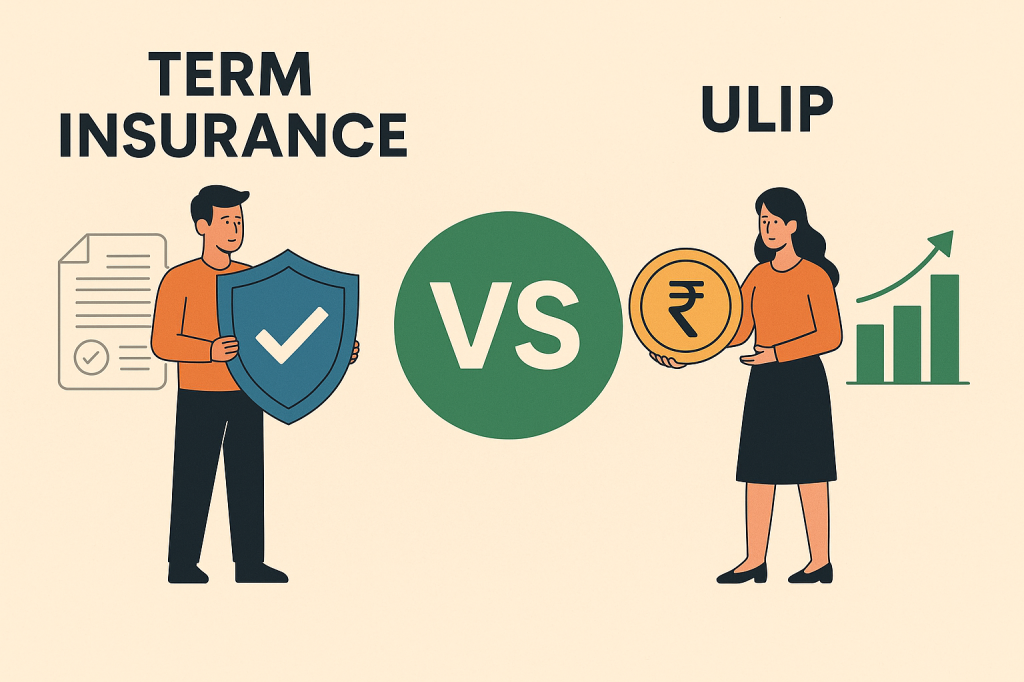
    ULIP vs Term Plan: Which One Should You Choose?

    When it comes to securing your family’s financial future, two popular options often come to mind — ULIPs (Unit Linked Insurance Plans) and Term Insurance Plans. Both offer unique benefits, but their objectives differ significantly. Understanding the difference between a ULIP vs Term Plan helps you make an informed decision that aligns with your financial goals.

    In this article, we’ll compare ULIPs and Term Insurance in detail — from their coverage, returns, tax benefits, and flexibility to who should choose which plan.


    ULIP vs Term Plan

    What is a ULIP (Unit Linked Insurance Plan)?

    A ULIP is a two-in-one product that combines investment and insurance. A portion of your premium goes towards providing life cover, while the rest is invested in market-linked instruments such as equity, debt, or balanced funds.

    Key Features of ULIPs:

    • Combines insurance and investment.
    • Returns depend on market performance.
    • Lock-in period of 5 years.
    • Offers fund-switching options between equity and debt.
    • Eligible for tax benefits under Section 80C and 10(10D).

    ULIPs are ideal for individuals who are comfortable with market risk and want to grow their wealth along with having a life cover.


    What is a Term Insurance Plan?

    A Term Insurance Plan is a pure protection plan that provides a life cover for a specific term. If the policyholder passes away during the policy tenure, the nominee receives a death benefit. However, there’s no maturity benefit if the insured survives the policy term.

    Key Features of Term Plans:

    • Pure protection — no investment component.
    • High coverage at a low premium.
    • Flexible policy terms (10 to 40 years).
    • Riders available for critical illness, accidental death, etc.
    • Tax benefits under Section 80C and 10(10D).

    Term Insurance is best for individuals who want financial protection for their family at the lowest possible cost.


    ULIP vs Term Plan

    ULIP vs Term Plan: Key Differences

    CriteriaULIPTerm Plan
    PurposeInvestment + InsurancePure Life Insurance
    PremiumHigher due to investment componentLower and affordable
    ReturnsMarket-linked (equity/debt)No returns unless death occurs
    Lock-in PeriodMinimum 5 yearsNo lock-in
    RiskDepends on market volatilityNo risk
    FlexibilityCan switch fundsLimited flexibility
    Tax BenefitsSection 80C & 10(10D)Section 80C & 10(10D)
    Best ForInvestors seeking wealth + coverFamilies seeking financial security

    Which One Should You Choose – ULIP or Term Plan?

    The choice between ULIP and Term Insurance depends on your financial objectives and risk appetite.

    • Choose ULIP if you want to build wealth while staying insured. It’s ideal for long-term investors with moderate-to-high risk tolerance.
    • Choose Term Plan if your primary goal is family protection. It’s cost-effective and provides a high sum assured at a minimal premium.

    For most people, it’s advisable to first buy a Term Plan to ensure protection and then invest separately through mutual funds or other instruments for wealth creation.


    Tax Benefits – ULIP vs Term Plan

    Both ULIPs and Term Plans offer tax benefits, but in different ways:

    • Premiums paid qualify for deduction under Section 80C.
    • Payouts are exempt under Section 10(10D) if conditions are met.
    • However, post the 2021 Budget, ULIP maturity proceeds are taxable if annual premiums exceed ₹2.5 lakh.

    So, for tax efficiency and simplicity, Term Insurance still holds an edge.


    ULIP vs Term Plan

    Common Myths About ULIPs and Term Plans

    1. Myth: ULIPs always give better returns.
      Fact: ULIP returns depend on market performance and fund selection.
    2. Myth: Term Insurance is a waste if you survive the term.
      Fact: The purpose of Term Insurance is protection, not returns.
    3. Myth: ULIPs have no charges.
      Fact: ULIPs include fund management, policy admin, and mortality charges.

    Conclusion

    Both ULIP and Term Plans play important roles in financial planning. A ULIP suits individuals who are financially stable and want to invest long-term, while a Term Plan is essential for everyone who has dependents and wants to ensure their family’s future.

    If you’re just starting out, begin with a Term Plan and later consider ULIPs as part of your investment portfolio.

  • How to Compare Insurance Policies the Right Way

    How to Compare Insurance Policies the Right Way

    Choosing the right insurance plan is one of the most important financial decisions you’ll make. With so many insurers and options available, it can be confusing to know which policy truly fits your needs. This is where learning how to compare insurance policies the right way becomes essential.

    At KaroInsure, we simplify the process—helping you find the best coverage at the most affordable rates. Let’s understand how to make the smartest comparison before you buy.


    How to Compare Insurance Policies the Right Way

    1. Identify Your Needs First

    Before comparing plans, determine what you actually need.
    Are you looking for health insurance, life coverage, or vehicle protection?
    Understanding your goals—whether it’s family security, medical care, or financial protection—will help you shortlist only the most relevant options.


    2. Check the Coverage Details

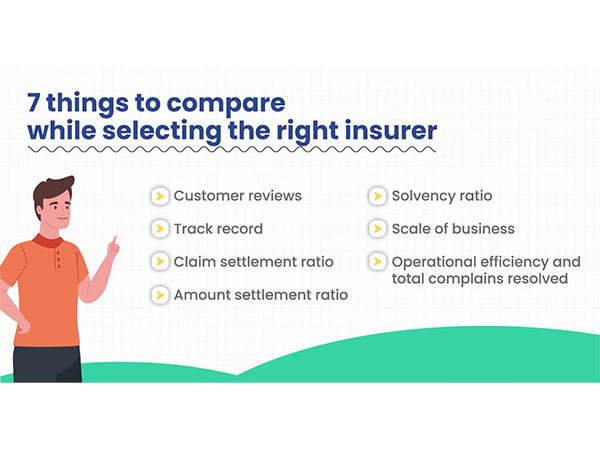
    Every policy is unique. When you compare insurance policies, pay close attention to:

    • Sum assured or coverage limit
    • Inclusions and exclusions
    • Waiting periods (for health plans)
    • Policy duration and renewal options

    Don’t just go by the price—make sure the coverage aligns with your lifestyle and financial goals.


    3. Compare Premiums and Benefits

    Price matters, but value matters more. Two plans may offer similar coverage but differ in premium rates and added benefits.
    Use trusted comparison tools like KaroInsure to see side-by-side differences in:

    • Premium costs
    • Rider options (like accidental or critical illness cover)
    • Claim settlement ratios

    This helps you make a fair and informed choice.


    How to Compare Insurance Policies the Right Way

    4. Review the Claim Settlement Ratio

    A policy is only as good as its claims process.
    Always check the insurer’s claim settlement ratio (CSR)—it indicates how many claims are successfully settled out of total received.
    A high CSR means greater reliability and smoother claim experiences.


    5. Read Customer Reviews and Support Options

    Customer feedback offers real insights into an insurer’s reliability. Look for reviews on claim handling, customer service, and online support.
    KaroInsure partners only with IRDAI-approved insurers known for transparency and customer satisfaction.


    6. Use Trusted Platforms Like KaroInsure

    At KaroInsure, you can compare insurance policies from top insurers in India—all in one place.
    Our platform ensures:

    • Transparent premium breakdowns
    • Expert advice from certified professionals
    • Easy-to-understand comparisons

    This saves you both time and money.


    Compare insurance policies

    Conclusion

    Comparing insurance policies doesn’t have to be complicated. With the right approach, you can confidently find a plan that fits your needs and budget.
    In 2025, make smarter financial decisions—compare, understand, and choose the right insurance policy with KaroInsure.

  • Top Reasons to Buy Life Insurance Early

    Top Reasons to Buy Life Insurance Early

    Why Buying Life Insurance Early Matters

    Life insurance is one of the smartest financial decisions you can make — and the earlier you buy it, the better. Many people delay getting insurance, thinking they’re too young or healthy to need it. But the truth is, buying life insurance early helps you save more, get better coverage, and secure peace of mind for the years ahead.

    At KaroInsure, we believe that financial protection should begin as soon as your earning journey starts. Let’s explore why early planning makes a big difference.


    Buy Life Insurance Early

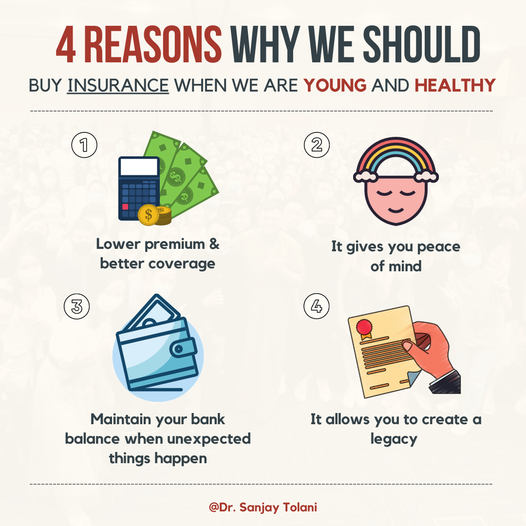
    1. Lower Premiums for the Same Coverage

    Age plays a major role in determining life insurance premiums. The younger you are, the lower your premiums will be. When you buy early, insurers view you as a lower risk, offering high coverage at affordable rates.

    For example, a 25-year-old might pay almost half of what a 35-year-old would for the same ₹1 crore coverage — a clear win for early planners.


    2. Long-Term Financial Security

    Starting early ensures your family’s financial stability, no matter what happens. Whether it’s your parents, spouse, or future children, your life insurance policy acts as a safety net against income loss, debts, or other financial shocks.

    With KaroInsure, you can easily find plans that match your income and life stage — keeping your family protected for decades.


    3. Better Coverage Options

    Younger applicants usually enjoy better health, which makes it easier to qualify for higher coverage and additional riders like critical illness or accidental death benefits. Buying early ensures you get comprehensive protection without medical complications affecting eligibility.


    Buy Life Insurance Early

    4. Builds Financial Discipline

    When you start paying premiums early, you cultivate financial responsibility. It encourages long-term planning and helps align your insurance with other goals such as investments, education, or retirement savings.


    5. Peace of Mind for the Future

    Life is unpredictable, and uncertainties can strike anytime. Having life insurance from a young age means you don’t have to worry about “what-ifs.” Your loved ones stay financially secure even in your absence — that’s true peace of mind.


    6. Easier Claim Process and Long-Term Trust

    Long-standing policyholders often enjoy smoother claim experiences, as insurers have long-term customer records and trust built over time. KaroInsure works only with IRDAI-approved insurers in India, ensuring transparent claims and reliable support whenever needed.


    Conclusion

    Buying life insurance early isn’t just about saving money — it’s about protecting your dreams and your family’s future. The sooner you start, the more advantages you gain.

    With KaroInsure, you can compare top insurers, choose the right plan, and secure your financial future in just a few clicks. Don’t wait — your best time to buy life insurance is now.

  • Why Term Insurance Matters

    Why Term Insurance Matters

    Understanding Term Insurance

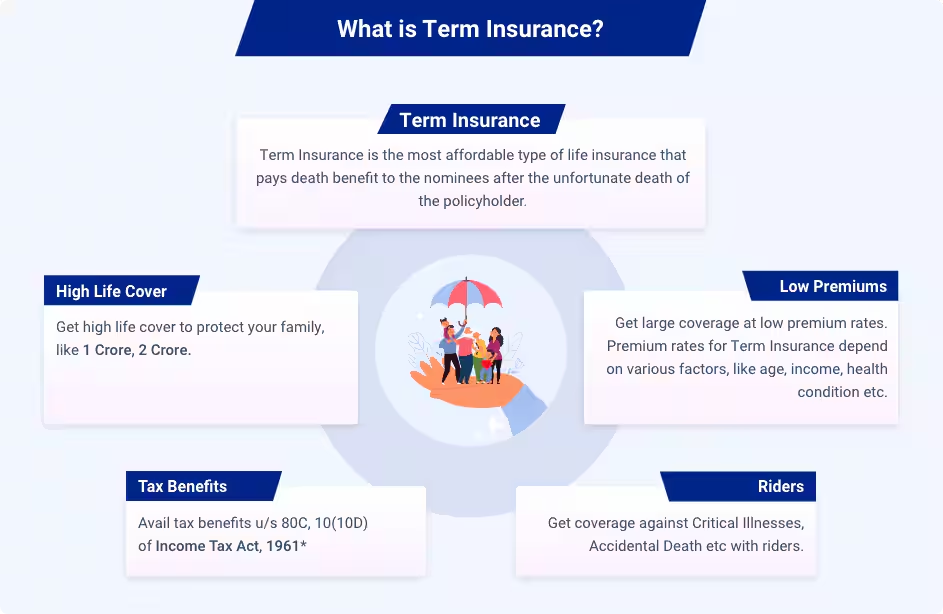
    Life is unpredictable. Term insurance gives your loved ones financial security if something unexpected happens to you. It’s a simple and affordable plan that pays a lump sum to your family in case of your untimely death during the policy term.

    Unlike investment-linked plans, term insurance focuses purely on protection — ensuring your family stays financially stable even in your absence.


    The Real Value of Term Insurance

    Term insurance matters because it offers peace of mind and financial stability at a low cost. With just a small premium, you can safeguard your family’s future goals — from your child’s education to loan repayments and household needs.

    In a country like India, where most families depend on a single breadwinner, this protection becomes essential.


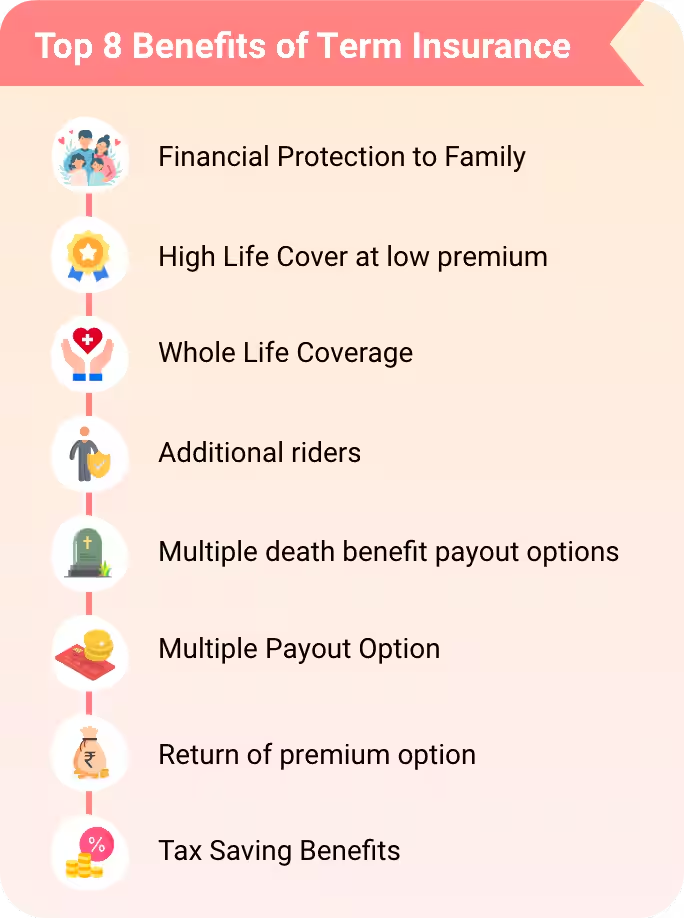
    Key Benefits of Term Insurance

    • Affordable Coverage: Get large financial protection at minimal cost.
    • Income Replacement: Helps your family maintain their lifestyle and cover expenses.
    • Debt Protection: Prevents loans or EMIs from burdening your loved ones.
    • Tax Benefits: Premiums qualify for deductions under Section 80C and payouts are exempt under Section 10(10D).
    • Add-On Options: Riders for critical illness or accidental death can expand coverage.

    Choosing the Right Term Plan

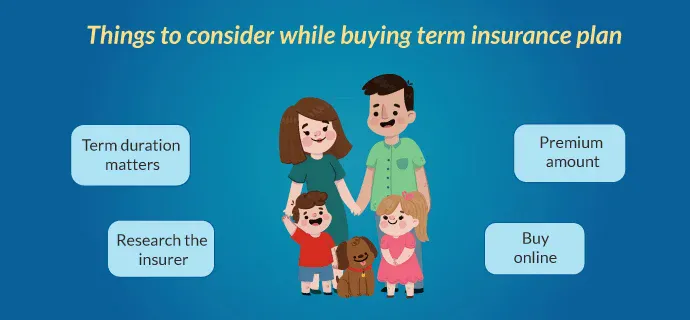
    When selecting a term plan, focus on these factors:

    • Coverage Amount: Ideally, 10–15 times your annual income.
    • Claim Settlement Ratio: Choose insurers with a strong record of paying claims promptly.
    • Policy Duration: Pick a term that covers your major financial responsibilities.
    • Add-Ons: Consider riders for better protection.

    KaroInsure helps you compare policies from top insurers and choose the one that best fits your life stage and budget.


    Why Buy Early?

    The earlier you buy term insurance, the lower your premium. Younger policyholders enjoy better health conditions and longer coverage at reduced cost. Delaying the purchase only increases premiums and may limit your eligibility.


    KaroInsure Makes It Simple

    Buying insurance shouldn’t be confusing. KaroInsure simplifies the process with expert comparisons, transparent quotes, and end-to-end claim support. Our goal is to help you secure the right term plan without stress or hidden terms.


    Conclusion

    Term insurance isn’t just a policy — it’s a promise of protection for your loved ones. It ensures that your family’s future is safe, no matter what life brings. That’s why term insurance truly matters.

    With KaroInsure, you can compare, understand, and buy the best plans — all in one trusted place.

  • Easy Guide to Claim Settlement

    Easy Guide to Claim Settlement

    Understanding Claim Settlement in Insurance

    Claim settlement is the process through which an insurance company compensates you or your family for a loss or damage covered under your policy.
    It’s the most important part of any insurance plan — whether it’s health, motor, or life insurance — because this is when your coverage actually helps you financially.

    When you buy insurance through KaroInsure, we ensure that claim settlement is smooth, transparent, and quick, so you can focus on what matters most.


    Types of Claim Settlement

    There are mainly two ways claims are settled in India:

    1. Cashless Claim – The insurer pays directly to the hospital or repair center.
    2. Reimbursement Claim – You pay first, then submit bills and documents to get reimbursed.

    Both processes have their advantages. KaroInsure helps you choose insurers with high claim settlement ratios and simple procedures.


    Step-by-Step Guide to Filing a Claim

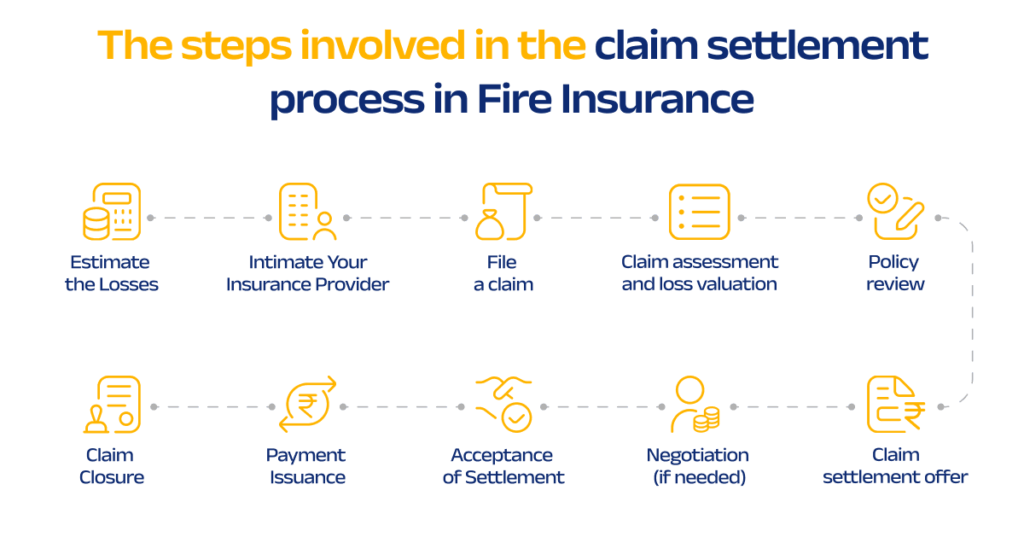
    Here’s a simple process you can follow for a hassle-free claim experience:

    1. Inform your insurer immediately after the incident or hospitalization.
    2. Submit required documents like ID proof, policy details, and bills.
    3. Cooperate with surveyors or inspectors if needed.
    4. Track your claim online through your insurer or KaroInsure’s dashboard.
    5. Receive payment once the claim is approved.

    Quick reporting and accurate documentation help speed up the settlement process.


    Common Reasons for Claim Rejection

    Sometimes claims are delayed or rejected due to small mistakes. Be sure to avoid:

    • Providing incorrect information during policy purchase.
    • Missing premium payments.
    • Failing to submit documents on time.
    • Filing for non-covered damages.

    Always read your policy wording carefully before making a claim.


    How KaroInsure Simplifies the Process

    With KaroInsure, claim settlement becomes easy and stress-free.
    Our experts guide you through every step, from claim intimation to documentation and follow-up. We also connect you with insurers who have the highest settlement ratios and strong customer support in India.

    We don’t just sell policies — we help you get the benefit when you need it most.


    Conclusion

    A claim settlement process should never be confusing or delayed. With proper knowledge and support, you can ensure a fast and fair claim experience.
    KaroInsure stands with you throughout the journey — from policy purchase to final claim approval.

  • Term Life Insurance Made Simple – Secure Your Family’s Future

    Term Life Insurance Made Simple – Secure Your Family’s Future

    What Is a Term Life Policy and How Does It Work?

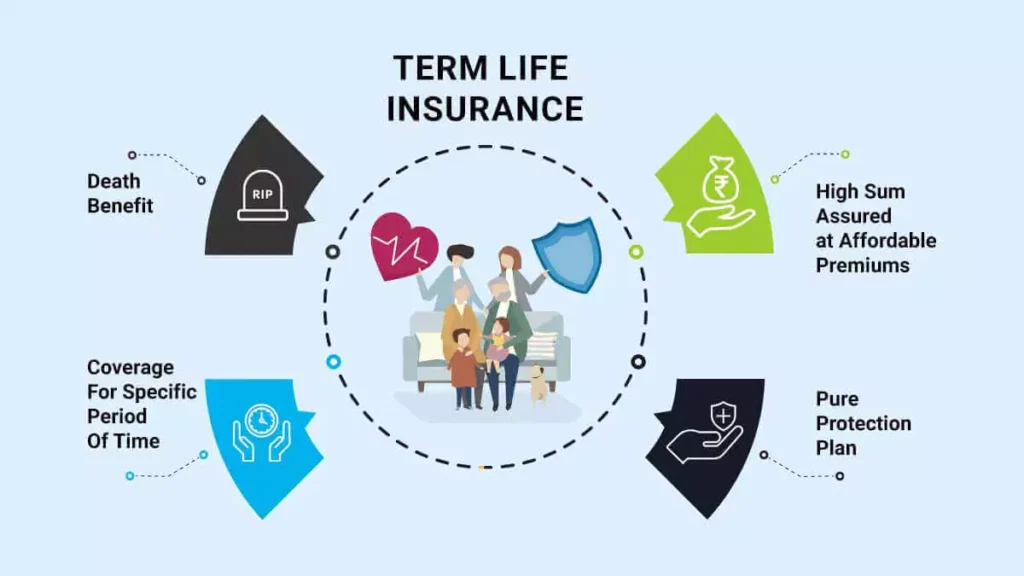
    A term life insurance policy is one of the simplest and most affordable ways to secure your family’s financial future. You pay a fixed premium for a specific number of years, and if something unfortunate happens during that term, your family receives a lump-sum payout.
    This ensures that your loved ones remain financially stable, even when you’re not around to support them.


    Why Every Family Needs Life Protection

    Life is uncertain. Having the right protection means peace of mind — knowing your family will be safe from financial hardship. Term insurance offers large coverage at a relatively low premium, which makes it ideal for working professionals, parents, and anyone with dependents.What Is a Term Life Policy and How Does It Work?


    How a Term Plan Keeps Your Family Secure

    In a term plan, you select the coverage amount and tenure that fits your income and goals.
    If the insured person passes away during this period, the nominee receives the full amount — helping them manage daily expenses, loans, and future needs such as education or marriage.
    The simplicity and clarity of these plans make them one of the best options for long-term financial safety.


    Different Types of Term Insurance Policies

    There are several types of life insurance plans you can choose from:

    1. Level Term Plan – Premium and coverage remain constant throughout the policy.
    2. Increasing Term Plan – Coverage increases each year to beat inflation.
    3. Decreasing Term Plan – Best suited for people with loans that reduce over time.
    4. Return of Premium Plan – Refunds your premiums if you survive the term.

    Each type serves a unique purpose — pick one that aligns with your lifestyle and financial priorities.


    Key Benefits of Choosing a Term Plan

    • Affordable premiums – Get high coverage at a low cost.
    • Tax benefits – Premiums qualify for deductions under Section 80C and 10(10D) of the Income Tax Act.
    • Financial security – Your family stays protected against debts and daily expenses.
    • Flexible add-ons – Add riders like accidental death or critical illness for extra safety.

    Mistakes to Avoid When Buying Life Coverage

    Even the best plans can fall short if you make common mistakes such as:

    • Choosing coverage that’s too low for your family’s actual needs.
    • Not disclosing health or lifestyle details honestly.
    • Ignoring the claim settlement ratio of your insurer.
    • Delaying purchase — premiums rise with age.

    Avoid these errors to ensure your policy truly safeguards your loved ones.


    How KaroInsure Helps You Find the Best Policy

    At KaroInsure, we simplify insurance for you. Our platform compares leading term plans in India, explains benefits clearly, and helps you make an informed choice — without hidden jargon or confusing terms.
    We focus on honest advice, transparent pricing, and long-term trust.

    Read more about health insurance benefits here
    Check IRDAI’s official website for updated insurance guidelines


    Conclusion

    A term plan isn’t just a policy — it’s a promise of protection and stability. By choosing the right coverage today, you ensure that your family’s tomorrow is financially secure, no matter what happens.

  • IRDAI Insurance Reforms 2025: What Policyholders Should Know

    IRDAI Insurance Reforms 2025: What Policyholders Should Know

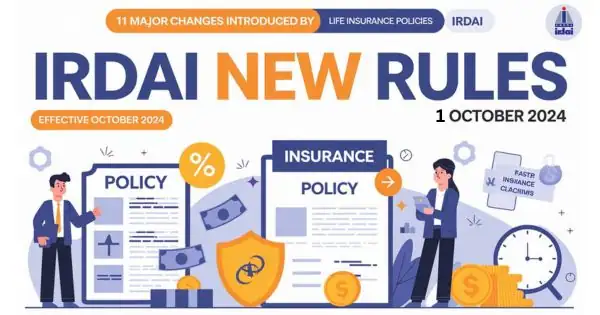
    The year 2025 has brought several important reforms in India’s insurance industry. These changes, introduced by the Insurance Regulatory and Development Authority of India (IRDAI), aim to improve transparency, policyholder protection, and operational efficiency. For anyone holding or thinking of buying insurance—especially through brokers like KaroInsure—knowing these reforms is essential. So below, you’ll find a breakdown of what’s changed, how it affects you, and how to benefit.


    Key Regulatory Changes

    Here are some of the major reforms introduced or proposed by IRDAI in 2025:

    1. Review of the Insurance Act, 1938
    2. Mandatory Reinsurance Cession
      • For FY 2025-26, general insurers have to cede 4% of sum insured from each policy to Indian reinsurers (specifically GIC Re). TaxGuru
      • This includes a broad set of general insurance policies; terrorism and nuclear pool premiums are exempt. TaxGuru
    3. Internal Insurance Ombudsman Scheme
      • IRDAI has released draft norms mandating insurers to appoint Internal Insurance Ombudsmen (IIOs) for handling policyholder grievances up to ₹50 lakh. The Economic Times+1
      • This aims to streamline complaint resolution before escalation to external ombudsmen. The Economic Times
    4. Improved Policyholder Protections & Transparency
      • IRDAI is pushing for simpler, clear policy wordings so policyholders better understand what they buy. PayBima+1
      • New guidelines limit insurers’ ability to repudiate claims on the grounds of non-disclosure or incomplete info for long durations; reduction of moratorium periods in health policies (e.g. from 7 to 5 years) for certain undisclosed conditions unless fraud is involved. PayBima+1
    5. GST & Tax Reforms
    6. Governance & Data Regulations
      • IRDAI has consolidated data maintenance and sharing rules into regulations like IRDAI (Maintenance of Information by Regulated Entities and Sharing of Information), 2025. These require insurers to maintain electronic records, ensure data privacy/security, and use India-based data centers. Insurance Asia
      • Meeting regulations have been updated to improve efficiency (e.g., virtual meetings allowed, shorter notice for urgent meetings etc.). JSA+1

    Impacts for Policyholders

    What do these reforms mean for you, as a policyholder or someone considering insurance?

    • Faster & clearer claims and grievance redressal: Internal ombudsmen should reduce lag time for resolving complaints. Clearer policy wording helps reduce misunderstandings.
    • More protection for long-term policyholders: Reduced ability for insurers to dispute claims many years later for non-disclosure is helpful.
    • Possibility of better pricing: GST rationalisation & better regulatory oversight could reduce costs or at least make cost structures of premiums more transparent.
    • Greater foreign investment & competition: If FDI caps are increased and laws modernised, more players may enter the market, potentially leading to more product choice and competitive pricing.
    • Better data & privacy safeguards: With stricter requirements for data governance and storage, policyholders’ personal and claim data may be safer.

    Things to Watch Out For

    While reforms are mostly positive, policyholders should also keep alert on the following:

    • Even with GST exemptions, insurers losing input tax credits might raise premiums elsewhere (service or admin fee etc.).
    • Internal ombudsman system is in draft; implementation may take time and vary among companies.
    • With more regulatory changes, there may be transitional issues—existing policies might need to adapt, or certain policy features/riders may change.
    • Product changes (ULIPs, health cover) could bring changes in how claims, benefits, or tax treatment work.

    How to Benefit / What You Should Do

    Here are some tips for policyholders to make the most of these reforms:

    1. Review your policy wordings: After renewals, check the updated policy document for any changes in wording, exclusions, or moratorium period.
    2. Raise grievances if needed: If your insurer isn’t responsive, make use of the grievance mechanism, and later internal ombudsman once companies have appointed them.
    3. Watch for tax changes: Updates in ULIP taxation or GST impact may affect policy costs or returns—consult a financial advisor before making large commitments.
    4. Compare products carefully: As competition and product features evolve, don’t stick to an old policy without checking newer options.
    5. Keep records updated: Since IRDAI is tightening data and disclosure norms, ensure that your personal details, health disclosures etc. are accurate, to avoid trouble during claims.

    Conclusion

    The IRDAI reforms of 2025 are shaping up to make the Indian insurance market more policyholder-friendly, transparent, and competitive. For clients using platforms like KaroInsure, these changes mean better access, clearer policies, stronger protection, and more options. If you’re an existing policyholder or soon plan to buy insurance,then it’s a good time to review your coverage, stay informed, and ensure your policy aligns with the new regulatory environment.

  • Best Term Insurance Plans in India — Secure Your Family’s Future

    Best Term Insurance Plans in India — Secure Your Family’s Future

    When it comes to life insurance, term insurance stands out as the simplest yet most effective product. It provides a high sum assured at an affordable premium, ensuring that your family remains financially secure in case of any unfortunate event. With so many options available today, identifying the best term insurance plans in India can be confusing. This is where KaroInsure helps Indian clients by comparing IRDAI-approved policies and offering expert guidance.


    Best Term Insurance Plans in India — What Makes a Plan Truly the Best

    A good term insurance plan must have certain features:

    • High Claim Settlement Ratio (CSR): This shows how reliable the insurer is when it comes to paying claims.
    • Adequate Sum Assured: The plan should provide coverage that takes care of liabilities, daily expenses, and future needs like children’s education.
    • Flexible Policy Term: Coverage should extend through your earning years, often up to the age of 75–85.
    • Useful Riders: Options such as critical illness cover, waiver of premium, and accidental death benefit add more protection.
    • Simple and Transparent Process: Easy online purchase, clear terms, and smooth claim handling.

    Best Term Insurance Plans in India — Popular Choices for 2025

    Several insurers in India offer strong term insurance options. KaroInsure connects you to the following well-known plans:

    • Max Life Smart Secure Plus: Offers return of premium option, premium breaks, and critical illness riders. Entry age usually starts from 18 years, with coverage extending up to 80–85 years.
    • HDFC Life Click 2 Protect Series: Flexible plans covering life, critical illness, and accidental death. Known for strong claim settlement and customer support.
    • ICICI Prudential iProtect Smart: Popular for its wide critical illness coverage and flexible payout options. Some variants cover up to age 99.
    • LIC Tech Term: Trusted for its simplicity and LIC’s reputation. Pure protection at affordable rates, with maturity ages extending to 80–85.
    • Tata AIA Sampoorna Raksha Supreme: Provides flexible premium payment terms, high sum assured, and useful add-on riders.

    Best Term Insurance Plans in India — How KaroInsure Simplifies the Choice

    KaroInsure ensures that every Indian buyer gets the right term insurance without confusion. Here’s how:

    • Compare premiums from multiple insurers instantly.
    • Provide expert advice based on your age, lifestyle, and budget.
    • Highlight riders that actually add value rather than unnecessary costs.
    • Assist in quick documentation and policy issuance.
    • Offer claim support when families need it most.

    Best Term Insurance Plans in India — Who Should Choose Which

    Every person’s insurance need is unique, and KaroInsure helps match the right plan to the right individual:

    • Young Professionals (20s–30s): Can opt for higher coverage at very low premiums. Pure term plans are ideal here.
    • Middle-Aged Individuals (40s–50s): Plans with riders such as critical illness or waiver of premium are better suited.
    • Senior Professionals or Business Owners (50+): May prefer plans that extend up to 85–99 years and include flexible payout options for dependents.

    Best Term Insurance Plans in India — Key Things to Watch Out For

    Before finalizing a plan, always check:

    • The insurer’s claim settlement ratio over the last few years.
    • Policy exclusions, especially for high-risk activities.
    • Whether the plan covers terminal illness and accidental death separately.
    • The cost of riders compared to their benefits.
    • Whether limited premium payment terms are available if you don’t want lifelong premium commitments.

    Best Term Insurance Plans in India — Final Word

    Term insurance is not just another financial product; it is a safety net that protects your family’s dreams and future. Choosing among the best term insurance plans in India can feel overwhelming, but with KaroInsure, you don’t have to worry. Our experts compare policies, premiums, and benefits to ensure you get maximum coverage at the best possible price.

    Secure your family’s tomorrow today with the right term insurance plan through KaroInsure.