Category: Motor Insurance

Welcome to our Motor Insurance blog. Get expert advice on protecting your vehicle with the right coverage. Whether you own a car, motorcycle, or commercial vehicle, our articles help you navigate insurance options and find the best plan to suit your needs. Stay informed and ensure you’re fully protected on the road.

  • How to File a Cashless Motor Insurance Claim in India

    How to File a Cashless Motor Insurance Claim in India

    Having cashless car insurance in India makes life easier after an accident. Instead of paying for repairs from your pocket, your insurer settles the bills directly with the garage. However, to ensure a smooth process, you must understand how to file a cashless car insurance claim in India the right way.

    In this guide, we’ll take you through every step of filing a claim, from reporting the incident to getting your car back in perfect condition — without financial stress.


    What Is a Cashless Car Insurance Claim?

    A cashless car insurance claim allows policyholders to get their vehicle repaired at a network garage without paying upfront. The insurance company pays the garage directly after verifying the claim.

    This system saves you from the burden of arranging funds, especially in emergencies. You only pay for expenses not covered under the policy, such as depreciation or consumables (if not included in add-ons).

    For example, if your car meets with an accident and the repair bill is ₹50,000, the insurer directly settles most of it with the workshop. You pay only the deductible or uncovered costs.


    How Does a Cashless Motor Insurance Claim Work?

    Here’s how a cashless car insurance claim in India works:

    1. The policyholder reports the damage or accident to the insurance company.
    2. The insurer sends a surveyor to inspect the vehicle.
    3. After approval, the car is sent to a network garage for repairs.
    4. The insurer directly pays the garage after the repairs are complete.

    It’s that simple — but each step must be followed carefully to avoid delays or claim rejection.

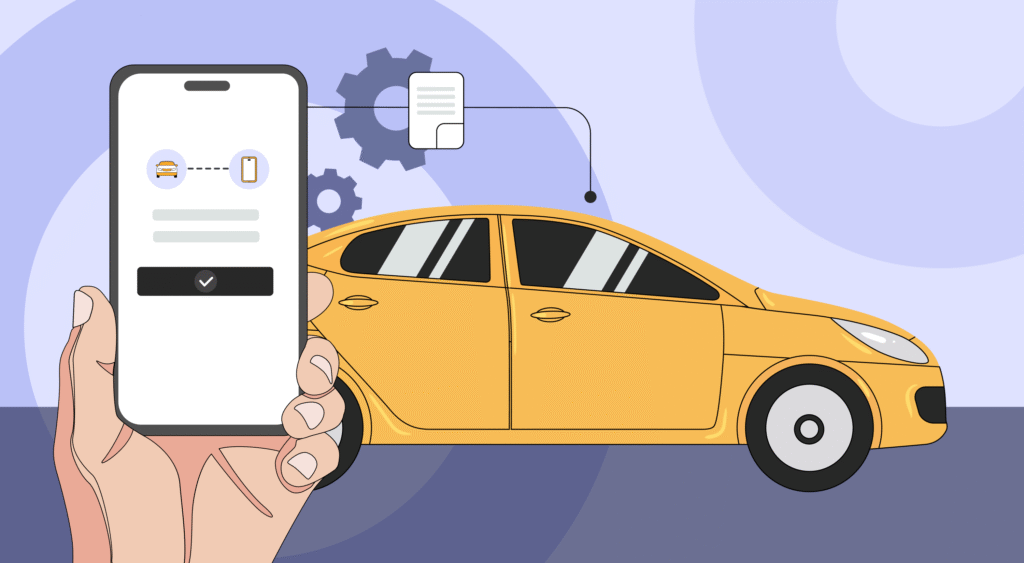
    cashless car insurance claim India

    Step-by-Step Process to File a Cashless Car Insurance Claim in India

    Filing a cashless claim can be hassle-free if you follow these steps:

    1. Inform the Insurance Company Immediately

    After an accident or damage, notify your insurer right away. Most companies have a 24×7 helpline or mobile app to register claims.

    Provide details such as:

    • Policy number
    • Vehicle registration number
    • Date, time, and location of the incident
    • A brief description of what happened

    Timely reporting ensures quick claim processing and approval.


    2. File an FIR (if required)

    For serious accidents, theft, or third-party injuries, file a First Information Report (FIR) at the nearest police station.
    The FIR acts as official proof and may be mandatory for claim approval, especially in third-party or theft cases.


    3. Arrange for Vehicle Inspection

    Once the claim is registered, the insurance company assigns a surveyor to inspect the damaged vehicle.
    The surveyor assesses the extent of damage and estimates repair costs.

    If the damage is severe, the surveyor may visit the accident site. For minor damages, some insurers allow you to upload photos or videos online for faster approval.


    4. Tow Your Car to a Network Garage

    After the surveyor’s inspection, move your car to a network garage — one that has a tie-up with your insurer.
    Most insurers have a wide list of authorized workshops across India. You can find these on the insurer’s website or mobile app.

    Choosing a network garage is crucial for availing the cashless facility. If you opt for a non-network garage, you’ll have to pay first and then claim reimbursement later.


    5. Get Repair Approval from the Insurer

    Once the surveyor submits the report, the insurance company reviews and approves the estimated cost of repairs.
    You’ll receive confirmation from the insurer and garage before the work begins.

    Make sure you agree with the assessment and confirm if any costs are excluded.


    6. Car Repairs at the Garage

    The network garage repairs your vehicle according to the insurer-approved estimate.
    You can stay updated about repair progress through the garage or the insurer’s claim tracker.


    7. Final Settlement and Vehicle Delivery

    Once repairs are complete, the insurer pays the garage directly for the approved amount.
    You’ll only need to pay:

    • The compulsory deductible (a small fixed portion you pay for every claim).
    • Uncovered expenses, if any (like accessories or consumables).

    After payment, collect your repaired car and all related invoices for record-keeping.


    Documents Required for Cashless Car Insurance Claim

    Here’s a list of commonly required documents:

    • Copy of car insurance policy
    • Driving license of the person driving at the time of the incident
    • Vehicle registration certificate (RC)
    • FIR (if applicable)
    • Claim form (filled and signed)
    • Repair estimate and bills from the garage
    • Photographs of the damaged vehicle

    Providing complete documents helps prevent claim delays.


    cashless car insurance claim India

    Common Reasons for Claim Rejection

    Even with a cashless policy, claims can be rejected if guidelines aren’t followed. Here are the most frequent reasons:

    • Driving without a valid license or under the influence of alcohol
    • Delayed intimation to the insurer
    • Using a non-network garage
    • False or exaggerated damage reports
    • Policy expired at the time of incident

    Always ensure your policy is active and details are accurate before filing a claim.


    Tips for a Smooth Cashless Claim Process

    1. Keep Emergency Numbers Handy: Save your insurer’s helpline number.
    2. Renew Policy on Time: An expired policy cannot be claimed.
    3. Maintain Honesty: Provide genuine information during claim filing.
    4. Opt for Add-Ons: Consider zero depreciation or consumables cover for better benefits.
    5. Choose the Right Insurer: Pick companies known for high claim settlement ratios and large garage networks.

    Following these tips ensures a stress-free experience when filing a cashless car insurance claim in India.


    Benefits of Cashless Car Insurance Claims

    • No Upfront Payments: You don’t have to arrange money after an accident.
    • Faster Settlements: Direct coordination between insurer and garage saves time.
    • Transparency: Clear communication about covered and uncovered expenses.
    • Wide Network Access: Thousands of garages across India support cashless claims.

    These advantages make cashless car insurance a preferred choice for most vehicle owners.


    Conclusion

    Understanding how to file a cashless car insurance claim in India helps you act quickly and confidently during stressful situations.

    Always notify your insurer immediately, follow the proper claim steps, and use a network garage for direct settlement.

    With KaroInsure, comparing and managing your car insurance is simple and efficient. Whether you need assistance in filing a claim or renewing your policy, KaroInsure ensures a smooth, transparent, and stress-free experience.

    Secure your drive today — explore the best cashless car insurance plans in India with KaroInsure.

  • Blockchain in Insurance: Revolutionizing Trust and Transparency

    Blockchain in Insurance: Revolutionizing Trust and Transparency

    The insurance industry in India has always faced challenges related to data security, claim delays, and lack of transparency. With blockchain in insurance in India, these issues are being addressed through advanced, secure, and transparent systems that are transforming how insurers and policyholders interact.


    What Is Blockchain in Insurance?

    Blockchain is a decentralized digital ledger that records transactions across multiple computers securely and transparently. In the insurance sector, this means that every policy, claim, and payment can be verified and tracked without manual intervention — reducing errors and fraud.


    blockchain in insurance India

    How Blockchain Is Transforming the Indian Insurance Sector

    1. Enhanced Transparency

    With blockchain, all transactions are stored on a shared, immutable ledger. This means both insurers and policyholders can verify details in real time, ensuring greater trust and eliminating disputes.

    2. Faster Claims Processing

    Claims can be automated using smart contracts, which execute predefined actions when certain conditions are met. For instance, in motor insurance, a claim could automatically trigger when an accident report is filed and verified digitally.

    3. Reduced Fraud

    Insurance fraud is a major concern in India. Blockchain prevents tampering of data and ensures that every claim is verified through a transparent, secure network — reducing fraudulent claims significantly.

    4. Improved Data Security

    Blockchain uses encryption and distributed storage, making it nearly impossible for hackers to alter or steal sensitive customer data. This ensures better data protection and compliance with IRDAI regulations.

    5. Simplified Reinsurance and Policy Management

    Blockchain allows seamless data exchange between insurers and reinsurers, reducing manual paperwork and ensuring accurate, up-to-date policy information.


    Blockchain Applications in Indian Insurance

    • Health Insurance: Streamlining hospital records, medical histories, and claim settlements.
    • Motor Insurance: Automated claim validation through IoT and blockchain integration.
    • Crop Insurance: Tracking weather data and claim triggers for parametric insurance.
    • Life Insurance: Securing policyholder information and automating payouts.

    blockchain in insurance India

    Challenges in Adopting Blockchain in India

    • Lack of awareness and technical expertise.
    • Regulatory and data privacy hurdles.
    • High initial implementation costs for insurers.

    However, with government initiatives supporting digital transformation and IRDAI’s push for innovation, blockchain adoption is gradually increasing.


    The Future of Blockchain in Indian Insurance

    Blockchain technology has the potential to make insurance more customer-centric, efficient, and secure. As digital adoption rises, blockchain in insurance in India will play a crucial role in establishing trust and transparency in every transaction.


    Conclusion

    Blockchain is redefining how insurance works in India — making it smarter, faster, and more transparent. As more companies and regulators embrace this technology, policyholders can look forward to a future of hassle-free and trustworthy insurance experiences.

  • Pay Per Mile Car Insurance in India

    Pay Per Mile Car Insurance in India

    With the rise of digital innovations and smarter mobility options, insurance in India is also evolving. One of the newest and most flexible options available is Pay-Per-Mile Car Insurance. Designed for drivers who use their vehicles occasionally or drive short distances, this insurance model ensures you pay only for how much you drive. Let’s explore how Pay-Per-Mile Car Insurance in India works, its benefits, and why it could be the right choice for you.


    What is Pay-Per-Mile Car Insurance?

    Pay-Per-Mile Car Insurance is a usage-based policy where your premium depends on the number of kilometers you drive. Instead of paying a fixed annual premium like in traditional car insurance, you pay a base rate plus an additional cost for every kilometer driven. This makes it a cost-effective solution for low-mileage drivers.

    Insurance companies typically use telematics devices, GPS trackers, or mobile apps to monitor your car’s usage accurately. The less you drive, the less you pay — ensuring complete transparency and control over your insurance costs.


    Pay Per Mile Car Insurance in India

    How It Works

    1. Base Premium: You pay a small fixed premium that covers risks like theft, fire, and natural calamities.
    2. Per-Mile Charges: A per-kilometer charge is added based on your actual driving distance.
    3. Mileage Tracking: Insurers install a tracking device or app to record your total kilometers.
    4. Monthly Billing: At the end of each billing cycle, your usage data is reviewed, and you pay accordingly.

    For example, if you drive 400 kilometers in a month and your rate is ₹1 per kilometer, your monthly premium will include the base charge plus ₹400 for mileage.


    Benefits of Pay-Per-Mile Car Insurance in India

    • Cost Savings: Ideal for those who drive occasionally or own multiple cars.
    • Transparency: You can monitor your usage and payments in real time.
    • Customization: Pay only for what you use instead of flat yearly rates.
    • Encourages Safer Driving: Since your driving behavior affects costs, it promotes responsible driving.
    • Eco-Friendly Impact: Fewer unnecessary trips mean reduced carbon emissions and fuel consumption.

    Who Should Choose Pay-Per-Mile Car Insurance?

    This model suits:

    • People working from home or using public transport regularly.
    • Families owning multiple vehicles but using each one occasionally.
    • Senior citizens or part-time drivers.
    • Urban dwellers who drive only on weekends or short errands.

    Pay Per Mile Car Insurance in India

    Challenges & Considerations

    While it offers flexibility, Pay-Per-Mile Insurance might not suit heavy drivers who commute long distances daily. You must also ensure your insurer provides accurate telematics and fair billing based on verified distance tracking.


    The Future of Pay-Per-Mile Insurance in India

    With the rise of connected vehicles and the digitalization of insurance services, usage-based policies are expected to grow significantly in India. Insurers like KaroInsure are exploring smarter and more customer-friendly options that combine transparency with affordability.


    Conclusion

    Pay-Per-Mile Car Insurance in India is redefining how drivers think about coverage. By linking premiums directly to driving habits, it empowers customers to take charge of their expenses while promoting safer and more sustainable driving. If you drive less, this policy can help you save more — both financially and environmentally.

  • Engine Protection Cover in Car Insurance: Why It’s Worth It

    Engine Protection Cover in Car Insurance: Why It’s Worth It

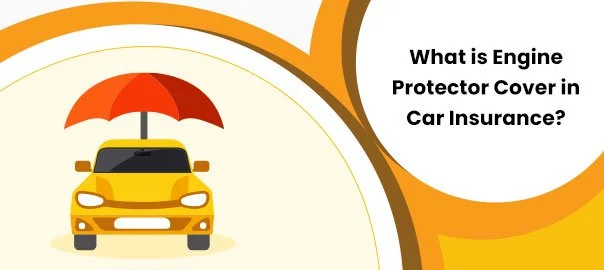
    Your car’s engine is its most critical and expensive component. Yet, a standard car insurance policy doesn’t cover internal engine damage caused by water ingression, oil leakage, or mechanical failure. That’s where engine protection cover in car insurance comes in — an add-on that saves you from heavy repair expenses and ensures peace of mind.

    Let’s explore why every car owner in India should consider this valuable add-on.


    What Is Engine Protection Cover?

    An engine protection cover is an add-on option in car insurance that provides financial protection against damages to your vehicle’s engine and its parts.

    This coverage includes damages resulting from:

    • Water ingression: When water enters the engine during floods or heavy rains.
    • Lubricant leakage: If engine oil or coolant leaks and causes damage.
    • Hydrostatic lock: When the engine stalls due to water entry and fails to restart.
    • Mechanical breakdown: Damage to components like pistons, crankshafts, or connecting rods.

    Without this add-on, such damages are typically excluded from standard comprehensive car insurance.


    Why Engine Protection Cover Is Important in India

    1. Frequent Flooding and Monsoons
      Many Indian cities face heavy rainfall and waterlogging. Driving through flooded areas can lead to severe engine damage, costing thousands of rupees to repair.
    2. High Engine Repair Costs
      Engine replacement or repair can cost anywhere between ₹50,000 to ₹3,00,000, depending on the vehicle model. This add-on significantly reduces your out-of-pocket expenses.
    3. Ideal for New or Luxury Cars
      Cars with advanced engines and higher repair costs benefit the most from this protection.
    4. Extends Vehicle Life
      Regular protection from unexpected engine issues keeps your car in better shape for a longer time.

    engine protection cover car insurance

    What’s Covered Under Engine Protection Cover

    • Damage due to water ingression or hydrostatic lock
    • Lubricant leakage causing internal damage
    • Repair or replacement of damaged engine parts
    • Labour costs related to engine repair

    What’s Not Covered

    It’s important to know the exclusions as well:

    • Regular wear and tear
    • Delay in informing the insurer about the damage
    • Consequential damages due to negligence
    • Pre-existing engine problems

    Always report engine damage immediately and avoid trying to restart the vehicle after water exposure.


    Who Should Buy Engine Protection Cover

    This add-on is ideal for:

    • Car owners in flood-prone areas
    • Owners of high-end or new vehicles
    • People who frequently drive long distances
    • Anyone wanting complete vehicle protection

    engine protection cover car insurance

    How to Add Engine Protection Cover

    Adding engine protection cover in car insurance is easy. When renewing or buying your policy online, simply select it as an optional add-on. The additional premium is usually small compared to the potential cost of repairs.


    Insurers Offering Engine Protection Cover in India

    Several leading insurers provide this add-on, such as:

    • HDFC ERGO General Insurance
    • ICICI Lombard
    • Tata AIG
    • Bajaj Allianz
    • SBI General Insurance

    Each insurer may have slight variations in terms and premium rates, so always review policy details carefully.


    Conclusion

    An engine protection cover in car insurance is a smart investment for anyone looking to safeguard their vehicle’s heart — the engine. Considering India’s weather conditions and rising repair costs, this add-on ensures that you won’t face unexpected financial strain after engine damage.

    With a small premium, you can secure big peace of mind.

  • AI in Insurance Claims in India: Transforming the Future of Claim Processing

    AI in Insurance Claims in India: Transforming the Future of Claim Processing

    The insurance industry in India is undergoing a major technological shift, and Artificial Intelligence (AI) is at the heart of this transformation. From policy management to risk analysis, AI is redefining how insurers operate. One area where it’s making a significant impact is claims processing — helping companies deliver faster, more accurate, and transparent results.

    This blog explores how AI in insurance claims India is changing the landscape for both insurers and policyholders.


    What Is AI in Insurance Claims?

    AI in insurance claims refers to the use of advanced technologies like machine learning, natural language processing (NLP), and computer vision to automate and optimize the claim lifecycle.

    From claim registration and verification to settlement, AI helps reduce manual errors, speed up assessments, and detect potential frauds in real time.


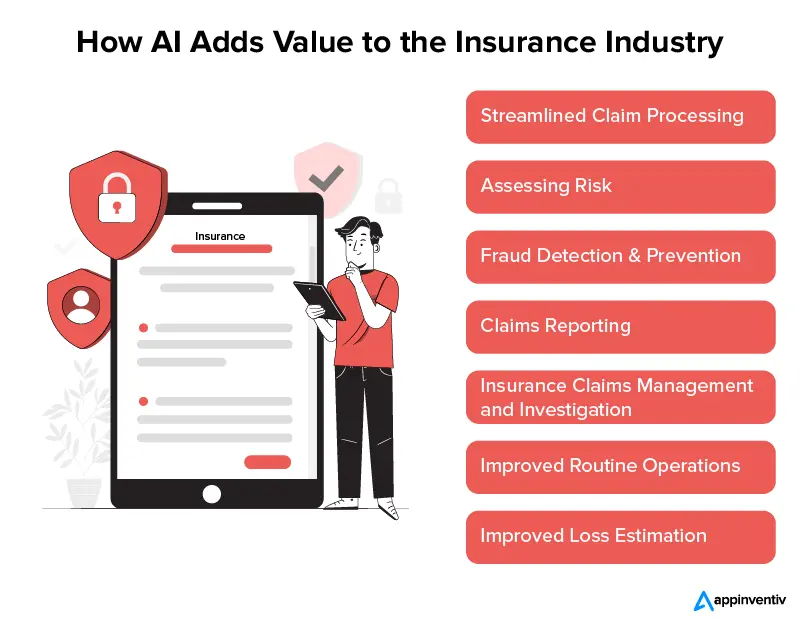
    How AI Is Revolutionizing Insurance Claims in India

    1. Automated Claim Processing
      AI-powered systems can process claims automatically by analyzing submitted data, documents, and photos — reducing processing time from days to minutes.
    2. Fraud Detection
      AI models identify suspicious patterns, inconsistencies, or duplicate claims, allowing insurers to detect fraud early and save substantial losses.
    3. Faster Claim Settlements
      With automation, policyholders get quicker responses and faster payouts, improving customer satisfaction.
    4. Improved Risk Assessment
      AI uses large datasets to evaluate risk profiles more accurately, ensuring fair claim settlements and premium pricing.
    5. Chatbots and Virtual Assistants
      AI chatbots help policyholders file claims, upload documents, and track status instantly — offering 24/7 customer support.

    AI in insurance claims India

    Benefits of AI in Insurance Claims for Policyholders

    • Speed and Efficiency: Instant claim registration and verification.
    • Accuracy: Reduced human errors during assessment.
    • Transparency: Real-time updates on claim status.
    • Fairness: Objective evaluation of claims without bias.

    For insurers, AI reduces operational costs, minimizes fraud, and enhances data-driven decision-making.


    Examples of AI in Action in Indian Insurance

    Many leading insurers in India are already adopting AI-driven solutions:

    • ICICI Lombard uses AI tools for instant motor claim approvals.
    • HDFC ERGO applies AI for automated health claim adjudication.
    • Bajaj Allianz leverages image recognition to assess car damage.

    These innovations demonstrate how AI in insurance claims India is improving both customer experience and operational efficiency.


    Challenges of Implementing AI in Claims

    While promising, AI implementation also comes with challenges such as:

    • Data privacy and compliance concerns.
    • High initial setup costs.
    • Need for skilled personnel to manage AI systems.

    However, with IRDAI’s focus on digital transformation, these hurdles are gradually being addressed.


    AI in insurance claims India

    The Future of AI in Insurance Claims in India

    As insurers invest in data analytics and automation, AI will become a core part of every stage of the claim process. In the coming years, we can expect:

    • Fully digital, paperless claim systems.
    • Predictive claim management for early fraud alerts.
    • Voice- and image-based claim submissions through mobile apps.

    AI will make insurance claims faster, fairer, and more customer-centric than ever before.


    Conclusion

    AI in insurance claims in India is no longer a futuristic concept — it’s a present-day reality driving massive improvements in speed, accuracy, and customer experience.

    By embracing AI, insurance companies can deliver seamless claim settlements while policyholders enjoy transparency and trust in the process.

  • Usage-Based Car Insurance in India: Pay As You Drive Explained

    Usage-Based Car Insurance in India: Pay As You Drive Explained

    Traditional car insurance policies in India charge you a fixed premium regardless of how often you drive. But what if you could pay only for the distance you cover? That’s exactly what usage-based car insurance India offers — a smarter, fairer, and more affordable way to insure your car.

    What Is Usage-Based Car Insurance?

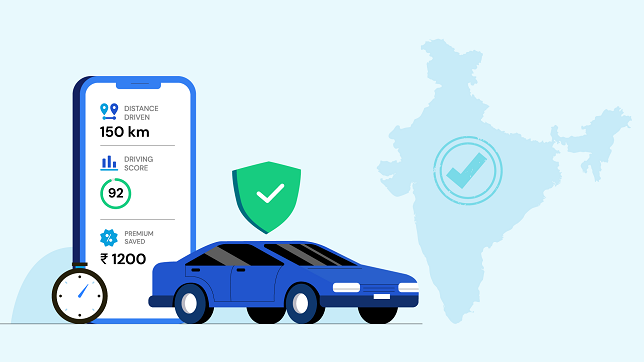
    Usage-based car insurance (UBI), also known as “Pay As You Drive” (PAYD) or “Pay How You Drive” (PHYD) insurance, is a modern insurance model that calculates premiums based on your driving behavior and distance covered.

    The insurer tracks your vehicle usage through telematics devices, mobile apps, or connected car systems to determine how safely and how often you drive.

    How Does Usage-Based Car Insurance Work?

    When you buy a usage-based policy, your insurer installs a telematics device in your car or connects it via an app. This technology collects data such as:

    • Total distance driven
    • Speed patterns and braking behavior
    • Time of driving (day or night)
    • Route and traffic conditions

    Based on this data, the insurer calculates your premium — meaning safer and less frequent drivers pay less.

    usage-based car insurance India

    Benefits of Usage-Based Car Insurance in India

    1. Cost Savings for Low-Mileage Drivers
      If you drive occasionally or only short distances, you can save significantly on premiums compared to traditional plans.
    2. Encourages Safe Driving
      Insurers reward careful drivers with discounts or bonus points, reducing accident risks and promoting responsible driving habits.
    3. Customizable and Transparent Pricing
      You pay for exactly what you use — no hidden costs, no overpayment.
    4. Ideal for Urban Commuters
      City dwellers who use public transport or drive only on weekends can benefit the most from usage-based policies.
    5. Technology-Driven Insights
      Telematics helps monitor vehicle health and driving behavior, offering valuable data for maintenance and safety.

    Who Should Opt for Usage-Based Car Insurance?

    • Occasional Drivers: People who use their car rarely or have a secondary vehicle.
    • Senior Citizens: Who drive short distances or less frequently.
    • Work-from-Home Professionals: Who don’t commute daily.
    • Car Fleet Owners: To monitor and manage driver performance efficiently.

    Challenges and Limitations

    While usage-based car insurance India is innovative, it’s still emerging. Some challenges include:

    • Limited availability among Indian insurers.
    • Dependence on consistent telematics data.
    • Privacy concerns over location tracking.

    However, as technology adoption grows, these challenges are quickly being addressed by insurers and regulatory bodies.

    usage-based car insurance India

    Leading Insurers Offering Usage-Based Plans in India

    Several top insurers in India have started offering “Pay As You Drive” car insurance policies, such as:

    • HDFC ERGO General Insurance
    • ICICI Lombard
    • Bajaj Allianz
    • Tata AIG
    • Go Digit

    These companies allow policyholders to choose between distance-based or behavior-based premium models depending on driving patterns.

    Future of Usage-Based Car Insurance in India

    With India’s growing adoption of connected vehicles and digital insurance, usage-based car insurance is set to become the future of motor coverage. The Insurance Regulatory and Development Authority of India (IRDAI) has also supported this innovation to encourage fair and flexible insurance options.

    Conclusion

    Usage-based car insurance in India is transforming how people think about motor insurance. It empowers drivers to take control of their premiums, rewards responsible driving, and promotes smarter use of vehicles.

    If you’re a safe, low-mileage driver, opting for usage-based car insurance India can help you save money while staying fully protected on the road.

  • Understanding No Claim Bonus (NCB) in Car Insurance & How to Maximise It

    Understanding No Claim Bonus (NCB) in Car Insurance & How to Maximise It

    In the fast-paced roads of India, owning a car isn’t just convenience — it’s responsibility. Every dent, scratch, or mishap reminds you of the importance of good insurance. But what if you drive carefully year after year without making a single claim? That’s when the No Claim Bonus (NCB) rewards you for being a responsible driver.

    Let’s break down what No Claim Bonus in Car Insurance India really means and how you can make the most of it.


    What is No Claim Bonus (NCB)?

    • No Claim Bonus (NCB) is a reward offered by insurance companies for not making any claim during the policy period.
    • It’s a discount on the premium of your car insurance when you renew your policy.
    • NCB starts from 20% for the first claim-free year and can go up to 50% if you maintain a streak of five consecutive claim-free years.

    Example:
    If your car’s insurance premium is ₹10,000, and you have an NCB of 20%, you’ll pay only ₹8,000 at renewal.


    How Does NCB Work in Car Insurance?

    • Policy-Based, Not Vehicle-Based: NCB is linked to the policyholder, not the vehicle. Even if you sell your car, you can transfer the NCB to your new one.
    • Lost If Claimed: The moment you make a claim, your NCB resets to zero, unless you have NCB protection cover.
    • Valid Across Insurers: You can switch insurers without losing your NCB benefit, as long as you show valid proof of your claim-free history.

    Benefits of No Claim Bonus in Car Insurance India

    1. Lower Premiums: The most obvious benefit — save up to 50% on your own damage premium.
    2. Encourages Safe Driving: The reward system motivates you to drive responsibly.
    3. Transferable Advantage: Even if you switch your car or insurer, your NCB remains valid.
    4. Long-Term Savings: The longer you avoid claims, the bigger your savings grow.

    Tips to Maximise Your No Claim Bonus (NCB)

    • Avoid Small Claims: For minor damages, it’s often better to pay out-of-pocket instead of losing your NCB.
    • Opt for NCB Protection Cover: This add-on lets you retain your NCB even after making one or two minor claims.
    • Renew Policy on Time: Delays in renewal beyond 90 days can result in loss of accumulated NCB.
    • Drive Safely: Responsible driving is the simplest and most effective way to maintain your NCB streak.

    How to Transfer NCB When You Buy a New Car

    • Request an NCB certificate from your current insurer.
    • Submit it to your new insurer to carry forward the same discount.
    • The new insurer verifies and applies the NCB to your new car policy.

    This ensures your years of careful driving still pay off — literally.


    Conclusion

    The No Claim Bonus in Car Insurance India isn’t just a discount — it’s recognition for being cautious and mindful on the road. By protecting and maximizing your NCB, you ensure lower premiums, better savings, and a strong track record as a responsible car owner.

    So next time you renew your car insurance, remember — your NCB is not just a number, it’s your driving reputation in digits.

  • Zero Depreciation Car Insurance – Is It Worth the Extra Cost?

    Zero Depreciation Car Insurance – Is It Worth the Extra Cost?

    When buying car insurance in India, you’ve likely come across the term Zero Depreciation Car Insurance or bumper-to-bumper cover. But is it worth the additional cost?

    As cars age, their parts lose value — a concept known as depreciation. Standard car insurance policies deduct this depreciation when settling claims. This means you pay a part of the repair cost out of your pocket. However, Zero Depreciation Car Insurance eliminates this deduction, offering complete coverage for replaced parts.

    In this article, we’ll explain what zero depreciation cover means, how it works, and whether it’s worth the premium for your car.


    What is Zero Depreciation Car Insurance?

    Zero Depreciation Car Insurance is an add-on cover that ensures you get the full claim amount without any deduction for depreciation on replaced parts.

    When you raise a claim under a standard car insurance policy, the insurer pays only the depreciated value of the damaged parts. However, with zero depreciation cover, you are reimbursed for the full cost of repairs or part replacements.

    In simple terms, this policy helps you avoid out-of-pocket expenses during repairs, making it ideal for new and high-value cars.


    Zero Depreciation Car Insurance

    How Does Depreciation Affect Regular Car Insurance?

    Every vehicle part loses value over time due to wear and tear. Insurance companies apply a depreciation rate to these parts when calculating claim amounts.

    Here’s how depreciation typically works:

    Car PartStandard Depreciation Rate
    Plastic parts50%
    Rubber parts50%
    Fiberglass components30%
    Metal parts5–40% (based on vehicle age)

    Let’s take an example:
    If your car’s bumper costs ₹10,000 and has 50% depreciation, you’ll receive only ₹5,000 under a regular policy. With Zero Depreciation Car Insurance, you’ll get the full ₹10,000 — saving ₹5,000 instantly.


    Benefits

    Here are the top advantages of opting for zero depreciation cover:

    1. Full Claim Settlement – You receive the total repair or replacement cost, without deductions.
    2. Peace of Mind – No stress about depreciation calculations or extra repair expenses.
    3. Higher Savings – The small extra premium saves you from major expenses in case of damage.
    4. Better Resale Value – Keeps your car well-maintained with genuine part replacements.
    5. Ideal for New Cars – Especially beneficial for cars less than 5 years old.

    Limitations You Should Know

    While this Insurance offers excellent protection, there are a few points to keep in mind:

    • The premium is higher, usually 10–20% more than a standard policy.
    • Most insurers limit the number of claims under this cover (typically two per policy year).
    • Cars older than 5 years may not be eligible for this add-on.
    • It doesn’t cover mechanical breakdowns or damages due to normal wear and tear.

    So, while it offers great benefits, it’s important to review your insurer’s terms before purchasing.


    Zero Depreciation Car Insurance

    Is Zero Depreciation Car Insurance Worth the Extra Cost?

    If you’re wondering whether paying a bit more for this cover makes sense — the answer depends on your car and driving habits.

    • For new or luxury cars, this cover is almost essential.
    • If you live in metro cities with heavy traffic, your risk of minor accidents is higher.
    • Even a small scratch or bumper replacement can cost thousands — zero depreciation ensures you don’t pay anything extra.

    Example Calculation

    Let’s assume:

    • Standard premium: ₹12,000/year
    • Zero Depreciation premium: ₹14,000/year
      If your car faces damages worth ₹60,000, the depreciation deduction may be ₹15,000–₹20,000. Paying ₹2,000 extra in premium saves you ₹18,000 during claims — clearly a smart deal.

    How to Buy Zero Depreciation Car Insurance Online

    Getting the right zero depreciation cover is easy with KaroInsure.

    Here’s how you can get started:

    1. Visit KaroInsure’s website and enter your vehicle details.
    2. Compare top-rated insurance providers and plans.
    3. Choose the Zero Depreciation Car Insurance add-on.
    4. Review premium details and make secure online payment.

    You’ll receive your policy instantly via email — quick, paperless, and hassle-free.


    Zero Depreciation Car Insurance

    Tips Before Buying Zero Depreciation Car Insurance

    • Always check the age eligibility of your car.
    • Review the claim limit per policy year.
    • Ensure cashless garage network availability near your location.
    • Compare multiple insurers before finalizing your policy.

    By keeping these tips in mind, you can ensure maximum coverage and value for your premium.


    Conclusion

    Zero Depreciation Car Insurance is more than just an add-on — it’s a financial safety net that protects you from hidden repair costs. For anyone owning a new, expensive, or frequently used car, this cover is absolutely worth the additional cost.

    Protect your investment, drive confidently, and handle accidents without stress. Compare and buy the best Zero Depreciation Car Insurance in India today — only on KaroInsure.
  • Insurance for Autonomous / Connected Vehicles: What the Future Holds for Indian Motor Cover

    Insurance for Autonomous / Connected Vehicles: What the Future Holds for Indian Motor Cover

    The automotive landscape in India is on the verge of a technological revolution. Autonomous vehicles (AVs) and connected vehicles (CVs) are moving from science fiction into reality, promising safer roads, smarter mobility, and more efficient transportation. But as vehicles become more automated and connected, traditional motor insurance models need to evolve.

    This raises critical questions for Indian drivers and insurers alike: How will insurance for autonomous and connected vehicles in India work? What risks will be covered? And how will premiums and liability structures change in the coming years? This guide explores the future of Indian motor cover in the era of self-driving and connected cars.


    Understanding Autonomous and Connected Vehicles

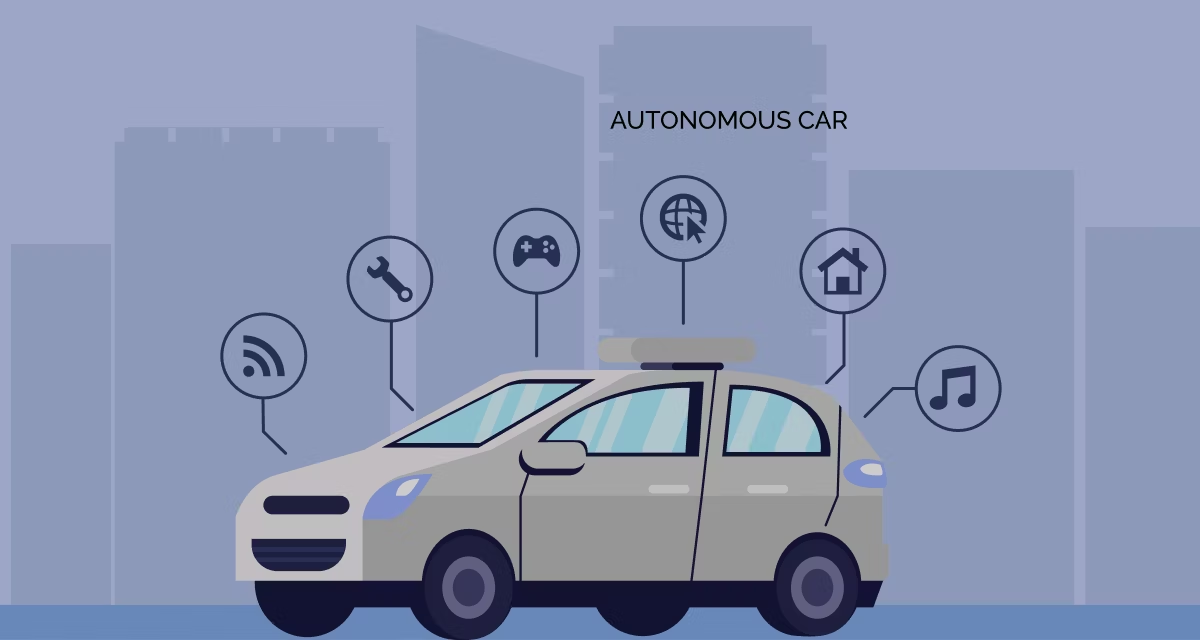
    Autonomous vehicles are cars that can operate with little or no human input, using sensors, cameras, AI, and advanced software to navigate safely. Connected vehicles, on the other hand, share real-time data with other vehicles, traffic management systems, and cloud networks to enhance safety, navigation, and maintenance.

    Both technologies significantly alter the risk profile of vehicles, requiring insurance to adapt accordingly.


    Insurance for Autonomous / Connected Vehicles

    Why Insurance for AVs and CVs Is Different

    Traditional motor insurance focuses on driver error and third-party liability. In autonomous and connected vehicles, liability shifts depending on technology failure, software glitches, or manufacturer errors. Key distinctions include:

    • Product Liability: Manufacturers and software providers may share liability for accidents caused by system failures.
    • Cybersecurity Risks: Connected vehicles face hacking and data breaches, creating new insurance requirements.
    • Reduced Human Error: Fewer accidents due to driver mistakes could decrease premiums over time.
    • High Repair Costs: Advanced sensors, LIDAR systems, and computer modules are expensive to repair or replace.

    Potential Coverage in the Future

    Insurance policies for autonomous and connected vehicles in India are likely to cover:

    1. Third-Party Liability

    Mandatory under Indian law, covering damages and injuries to others. Liability rules may adapt to account for manufacturer involvement.

    2. Own-Damage Coverage

    Covers repair or replacement of the AV or CV in case of collisions, natural disasters, or vandalism.

    3. Cybersecurity & Data Breach Insurance

    Protects owners and manufacturers against losses due to hacking, data theft, or system manipulation.

    4. Software & System Malfunction

    Covers accidents caused by glitches in navigation, braking, or collision-avoidance systems.

    5. Product Liability & Manufacturer Coverage

    In joint policies, insurers may cover defects, recalls, or failures linked to manufacturers or suppliers.

    6. Advanced Telematics & Pay-As-You-Drive Plans

    Connected vehicles can leverage real-time data to calculate premiums dynamically based on usage, driving behavior, and system performance.


    Key Challenges for AV & CV Insurance in India

    1. Regulatory Uncertainty: India’s legal framework for autonomous vehicles is still evolving. Liability rules, data protection laws, and safety regulations need clarity.
    2. High Repair & Replacement Costs: Sensors, cameras, and AI systems are costly. Repairing or replacing these parts can drastically increase claims costs.
    3. Cybersecurity Threats: Connected vehicles are vulnerable to hacking, raising the stakes for insurers.
    4. Lack of Historical Data: Actuarial calculations are challenging due to limited accident and risk data for AVs.
    5. Public Trust & Adoption: Insurers must educate consumers about coverage options as the technology matures.

    Insurance for Autonomous / Connected Vehicles

    Current Trends in India

    While fully autonomous vehicles are still in testing phases, connected vehicle technology is already present in India:

    • Smart car platforms in premium vehicles (Tata, Mahindra, MG, Hyundai) provide connected services and telematics.
    • Insurers are exploring usage-based insurance (UBI) using telematics for premium calculation.
    • Collaboration between tech companies and insurers is beginning to address cyber and product liability risks.
    • Pilot projects for AV testing are underway in select cities, creating groundwork for regulatory frameworks.

    The Future Outlook

    The future of Indian motor cover for autonomous and connected vehicles will likely include:

    • Shift in Liability: Partial liability moving from drivers to manufacturers, software developers, and vehicle owners.
    • Premium Adjustments: Insurance costs may decrease due to reduced human error but increase for high-tech component coverage.
    • Integrated Cyber & Auto Policies: Combination of vehicle, software, and data protection insurance.
    • Real-Time Risk Assessment: Connected cars providing data for dynamic premium pricing and risk-based rewards.
    • Government Support & Standardization: Regulations and safety standards will guide insurers and manufacturers, enabling mass adoption.

    Insurance for Autonomous / Connected Vehicles

    Tips for Future AV & CV Insurance Buyers

    1. Monitor Technology Adoption: Be aware of connected or autonomous features in your vehicle and their insurance implications.
    2. Check Manufacturer Policies: Some automakers provide bundled insurance covering AV features.
    3. Understand Liability Shifts: Know how responsibility is shared between driver and manufacturer.
    4. Consider Cyber Coverage: As vehicles go digital, cyber risks become real and costly.
    5. Stay Updated on Regulatory Changes: AV adoption will coincide with new insurance laws and safety standards in India.

    Conclusion

    The insurance landscape for autonomous and connected vehicles in India is evolving rapidly. While technology promises safer roads and smarter mobility, it also introduces new risks and liabilities. Insurers, manufacturers, and consumers must adapt to ensure adequate coverage.

    For Indian drivers and fleet operators, planning ahead for AV and CV insurance ensures that when these technologies become mainstream, you’re ready to enjoy the benefits of innovation without unexpected financial exposure. The future of Indian motor cover lies at the intersection of technology, regulation, and innovative insurance products.

  • Electric Vehicle (EV) Insurance in India 2025: What Every EV Owner Should Know

    Electric Vehicle (EV) Insurance in India 2025: What Every EV Owner Should Know

    The demand for Electric Vehicle (EV) insurance in India 2025 is growing rapidly as more people switch to sustainable mobility. With rising fuel costs and government incentives promoting EV adoption, understanding how electric vehicle insurance works has become essential for every EV owner. This guide explains everything about EV coverage, add-ons, and trends shaping the future of EV insurance in India 2025.


    Why Electric Vehicle (EV) Insurance in India 2025 Matters

    Electric vehicles come with high-value components like batteries and motors that need specialized protection. The right EV insurance policy helps you cover accidents, theft, and battery damage while complying with India’s insurance laws. In 2025, insurers are tailoring plans specifically for electric vehicles to match their unique repair and replacement costs.


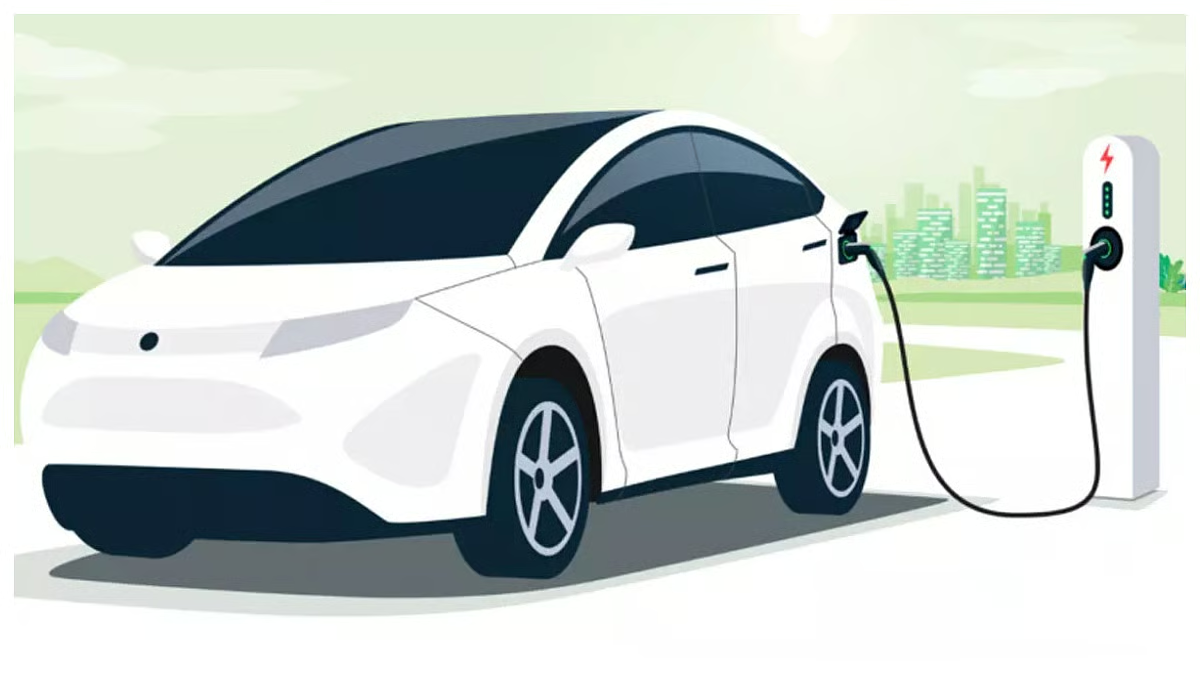
    Electric Vehicle Insurance in India 2025Electric Vehicle Insurance in India 2025

    Types of Electric Vehicle (EV) Insurance in India

    Just like traditional vehicles, electric vehicle insurance in India is divided into two main categories:

    1. Third-Party Liability EV Insurance

    This is mandatory insurance under Indian law. It protects against legal liabilities in case your EV causes damage, injury, or death to a third party. However, it doesn’t cover damages to your own electric car.

    2. Comprehensive EV Insurance Policy

    Comprehensive EV insurance in India 2025 provides complete protection — including theft, natural disasters, fire, battery failure, and more. With this plan, you can also add extra benefits like zero depreciation and roadside assistance.


    Key Features of Electric Vehicle (EV) Insurance Policies

    Modern EV insurance policies in India offer several advanced features designed for electric mobility:

    • Battery protection against damage, fire, or short-circuit
    • Coverage for home and portable chargers
    • Roadside assistance for battery drain situations
    • Cashless claim settlement at authorized EV garages
    • Add-ons like zero depreciation and consumable cover

    These features make electric vehicle insurance in India 2025 more comprehensive and convenient for EV owners.


    Factors Affecting Electric Vehicle Insurance Premiums in 2025

    Your EV insurance premium depends on several key elements:

    1. Vehicle Model and Value

    Premiums are linked to your EV’s Insured Declared Value (IDV). Premium EVs like MG ZS EV or BYD Atto 3 have higher insurance costs than smaller models like Tata Tiago EV.

    2. Battery Capacity

    The battery is one of the most expensive parts of an EV. Its capacity and replacement cost directly impact insurance pricing.

    3. Location

    Urban areas have higher risks of accidents or theft, which raises premiums compared to smaller towns.

    4. Add-ons and Riders

    Choosing add-ons like battery protection or zero depreciation increases coverage — and the overall premium.


    Electric Vehicle Insurance in India 2025

    Popular Add-ons for Electric Vehicle (EV) Insurance in India 2025

    To maximize protection, EV owners should consider these insurance add-ons:

    1. Battery Protection Cover – Covers damage or short-circuit in EV batteries.
    2. Charger Protection – Protects against damage to home or portable chargers.
    3. Zero Depreciation Cover – Ensures full claim settlement without depreciation deduction.
    4. Roadside Assistance – Helps during breakdowns or power loss.
    5. Consumables Cover – Includes lubricants, brake fluids, and coolants.
    6. Return-to-Invoice Cover – Refunds full invoice value in case of theft or total loss.

    These add-ons make electric vehicle insurance in India more reliable and future-ready.


    Top Insurers Offering Electric Vehicle (EV) Insurance in India 2025

    By 2025, several insurers have launched dedicated EV insurance products in India:

    • HDFC ERGO EV Secure Plan
    • ICICI Lombard Green Drive
    • Tata AIG Electric Protect Policy
    • Bajaj Allianz EV Shield
    • ACKO EV Insurance
    • Go Digit EV Policy

    These providers offer digital-first solutions, quick claims, and exclusive battery and charger protection options.


    Benefits of Buying Electric Vehicle Insurance in India

    1. Complete Financial Security: Covers costly EV components like batteries and motors.
    2. Legal Compliance: Meets Indian Motor Vehicles Act requirements.
    3. Peace of Mind: Protection against theft, accidents, and breakdowns.
    4. Eco-Incentives: Some insurers offer discounts for eco-friendly driving habits.
    5. Instant Digital Claims: File and track claims easily through apps.

    Challenges in Electric Vehicle Insurance in India

    Electric Vehicle Insurance in India 2025

    Despite its advantages, EV insurance in India 2025 still faces hurdles:

    • High battery replacement costs drive up premiums.
    • Lack of specialized EV repair centers slows claims.
    • Limited historical data makes risk assessment complex.
    • Low awareness about EV-specific insurance coverage.

    Future of Electric Vehicle (EV) Insurance in India 2025 and Beyond

    The future looks bright for EV insurance in India 2025 as insurers innovate rapidly. Expect to see:

    • Usage-based insurance (UBI): Premiums based on driving data.
    • AI-powered claim approvals for faster settlements.
    • Green discounts for responsible EV owners.
    • Standardized government-backed EV policies.
    • Battery health analytics to optimize premiums.

    With India’s EV revolution gaining momentum, electric vehicle insurance will become smarter, more affordable, and accessible to all.


    Tips for Choosing the Best Electric Vehicle Insurance Policy

    1. Compare multiple EV insurance plans before purchasing.
    2. Choose comprehensive coverage with battery protection.
    3. Check network garages for cashless repairs.
    4. Review terms for exclusions and hidden charges.
    5. Prefer insurers offering 24×7 EV roadside support.

    Conclusion

    As India accelerates toward electric mobility, Electric Vehicle (EV) Insurance in India 2025 will play a vital role in protecting your investment. Choosing the right policy not only ensures legal compliance but also safeguards your EV against unforeseen risks.

    Whether you drive a compact EV or a luxury model, make sure your electric vehicle insurance includes comprehensive protection, smart add-ons, and digital claim support. The right plan today will keep you future-ready for tomorrow’s electric world.