Category: Motor Insurance

Welcome to our Motor Insurance blog. Get expert advice on protecting your vehicle with the right coverage. Whether you own a car, motorcycle, or commercial vehicle, our articles help you navigate insurance options and find the best plan to suit your needs. Stay informed and ensure you’re fully protected on the road.

  • Buy-Now-Pay-Later Premiums: Is EMI Option for Insurance the Future?

    Buy-Now-Pay-Later Premiums: Is EMI Option for Insurance the Future?

    In recent years, the financial landscape has undergone a remarkable transformation. From online shopping to education, the Buy Now, Pay Later (BNPL) model has revolutionized how people make payments. Now, this trend is entering a new domain — insurance premiums. The idea of paying your insurance premium in easy monthly installments (EMIs) is gaining popularity across India and beyond.

    But is this just a passing trend, or does it represent the future of insurance payments? Let’s dive deep into what BNPL premiums are, how they work, their pros and cons, and what they mean for the future of the insurance sector.


    Understanding the Buy-Now-Pay-Later (BNPL) Model

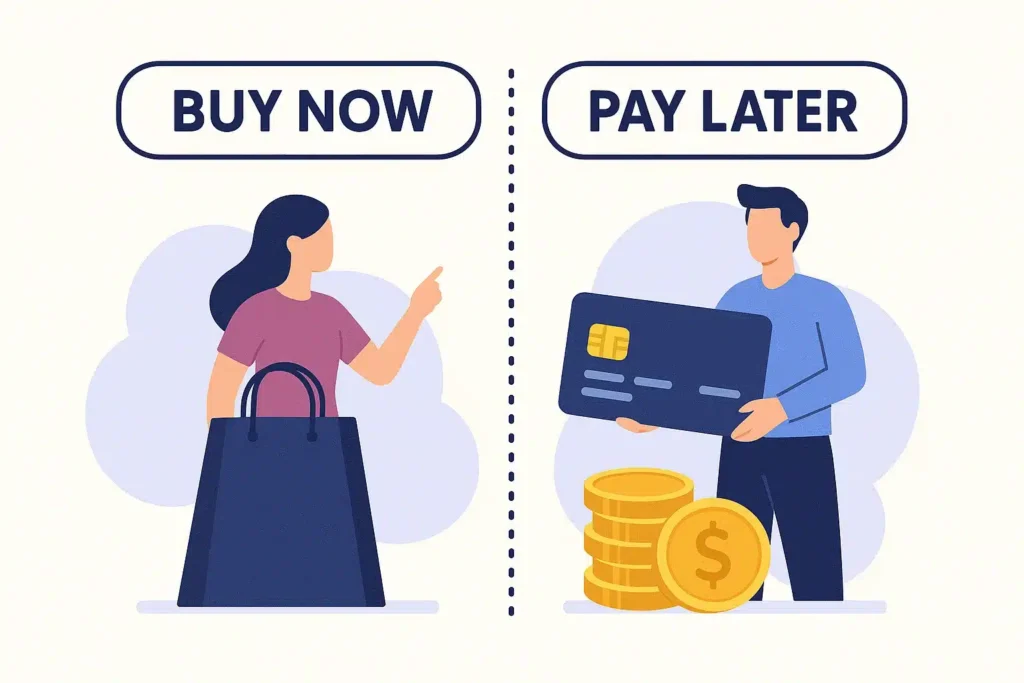
    The BNPL model allows customers to buy products or services immediately and pay for them later in flexible installments. It’s like a modern twist on credit — easy to access, transparent, and interest-free in many cases.

    When applied to insurance, BNPL means that instead of paying the entire premium at once, policyholders can split their premium into multiple EMIs. This flexibility helps individuals manage their cash flow better while still maintaining adequate insurance coverage.

    For example, if an annual health insurance premium costs ₹24,000, instead of paying the full amount upfront, a policyholder can choose to pay ₹2,000 per month for 12 months through a BNPL or EMI option.
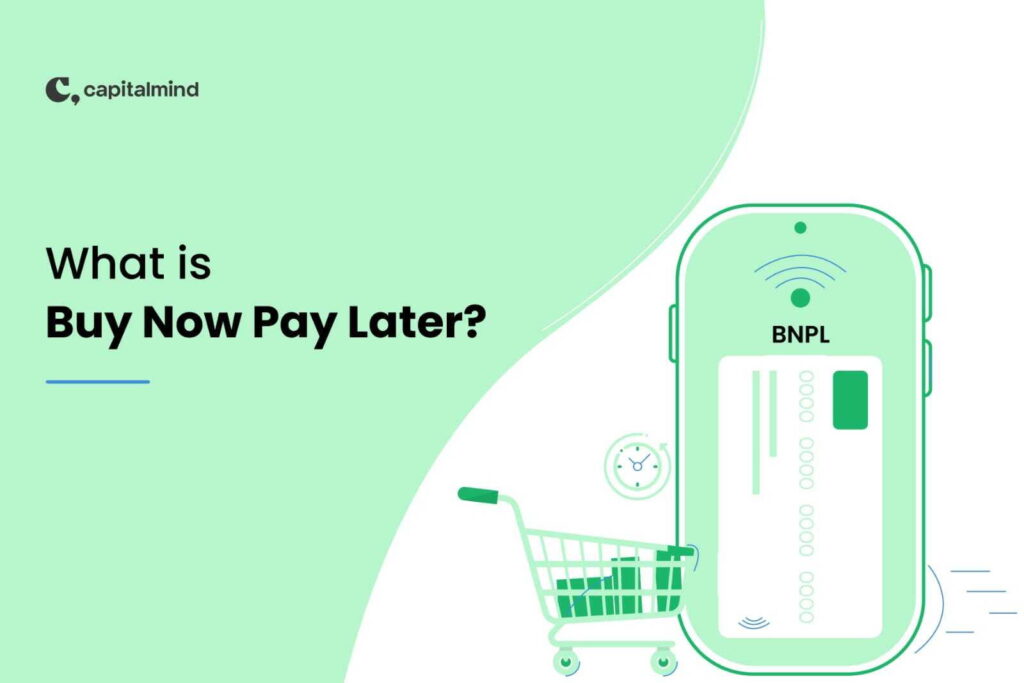

    Buy-Now-Pay-Later premiums

    Why the Shift Toward EMI-Based Premiums?

    The demand for BNPL insurance premiums is driven by several key factors:

    1. Financial Flexibility

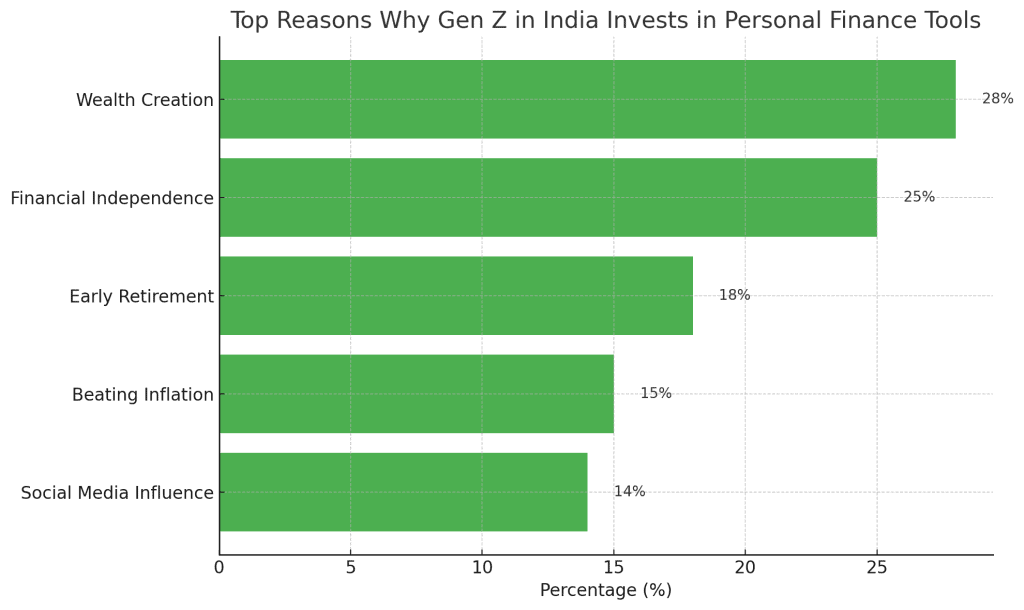
    Many consumers, especially millennials and Gen Z, prefer spreading out large payments. The EMI option for insurance aligns with their budgeting habits, making insurance more accessible without financial strain.

    2. Increasing Insurance Awareness

    As awareness of health, life, and vehicle insurance grows, more individuals want coverage — but affordability remains a challenge. EMI-based payments bridge this affordability gap.

    3. Technological Innovation

    Insurtech companies are making insurance simpler, faster, and more digital. Integrating Buy Now Pay Later Premiums options into apps and websites allows for a smoother customer experience and encourages more people to stay insured.

    4. Economic Pressures

    Post-pandemic financial constraints have led consumers to seek flexible payment options. Paying in installments helps them maintain important policies even when budgets are tight.


    How EMI Options for Insurance Work

    The process of converting your insurance premium into EMIs is straightforward:

    1. Choose the Policy: Select your insurance type (health, motor, term life, etc.).
    2. Select Payment Option: At checkout, choose the EMI or BNPL option instead of a lump sum payment.
    3. Verify and Approve: A quick credit check (if applicable) or verification is done.
    4. Payment Schedule: Your premium is automatically divided into equal monthly installments, often with little to no interest.

    Many insurers partner with fintech platforms or banks to offer these EMI options. For instance, companies like Policybazaar, Paytm Insurance, and Bajaj Finserv already provide BNPL premium facilities.


    Advantages of Buy-Now-Pay-Later Premiums

    1. Makes Insurance Affordable

    The most obvious benefit is affordability. People who couldn’t afford to pay large annual premiums can now easily manage monthly payments.

    2. Expands Insurance Penetration

    India has one of the lowest insurance penetration rates in the world. EMI options can change that by encouraging more people to buy insurance.

    3. Encourages Timely Renewals

    When premiums are easier to pay, policyholders are less likely to let their policies lapse. This ensures continuous coverage and peace of mind.

    4. Boosts Digital Adoption

    As the insurance industry goes digital, BNPL integrations make purchasing policies online more convenient and user-friendly.

    5. Attracts Younger Demographics

    Younger consumers prefer flexibility and digital-first solutions. EMI-based premiums align perfectly with their expectations and lifestyle.


    Buy-Now-Pay-Later premiums

    Challenges and Risks of Buy Now Pay Later Premiums

    While the EMI model sounds promising, it’s not without its downsides.

    1. Hidden Costs

    Some insurers or fintech partners may charge processing fees or interest, which can increase the total cost over time.

    2. Dependence on Creditworthiness

    Not everyone qualifies for BNPL or EMI options. People with poor credit scores may face rejection or higher charges.

    3. Risk of Over-Leveraging

    Easy monthly payments can sometimes lead consumers to over-commit financially, buying multiple policies they can’t sustain in the long run.

    4. Operational Complexity

    For insurers, integrating BNPL systems means extra coordination with payment gateways and financial partners — which can be challenging for traditional insurance companies.


    BNPL Insurance in India: Current Trends

    The concept of BNPL insurance is still evolving in India, but adoption is rising fast.
    Here are some ongoing trends:

    • Health insurance is leading the BNPL charge, as medical policies often have higher premiums.
    • Fintech startups are partnering with insurers to offer instant EMI conversions.
    • Zero-cost EMI plans are becoming a popular marketing tool for attracting customers.
    • Regulators like IRDAI are monitoring the model to ensure consumer protection and transparency.

    With the government pushing for “Insurance for All by 2047”, BNPL can play a critical role in expanding coverage to lower-income and rural populations.

    Buy-Now-Pay-Later premiums

    Global Perspective: BNPL in Insurance Worldwide

    In countries like the US, UK, and Australia, BNPL models are already well integrated into insurance. Many consumers pay for car or health insurance through monthly subscription-style plans rather than one-time premiums.

    This global trend indicates that EMI-based insurance is not just a short-lived innovation — it’s part of a broader movement toward flexible financial ecosystems. As India continues to embrace digital payments and financial inclusion, it’s likely that similar adoption patterns will emerge domestically.


    The Future of EMI Options in Insurance

    The future of insurance payments looks set to evolve around flexibility, accessibility, and technology. With more insurers collaborating with fintech players, BNPL premiums could become a standard payment method rather than a special feature.

    In the coming years, we might see:

    • Subscription-based insurance models where policies renew automatically each month.
    • AI-driven affordability scoring to determine EMI eligibility instantly.
    • Dynamic payment plans based on usage or income.
    • Integration with UPI and digital wallets for seamless automated payments.

    Conclusion

    The concept of Buy-Now-Pay-Later premiums is more than just a payment trend — it’s a financial innovation that makes insurance accessible to millions. While challenges like credit checks and hidden fees remain, the overall benefits — affordability, inclusivity, and convenience — are undeniable.

    As the digital economy continues to grow, EMI-based premiums could well become the future of insurance. By making insurance easier to buy, maintain, and renew, this model has the potential to transform financial protection for everyone.


  • Child Education Insurance Policy – Secure Your Child’s Future | KaroInsure

    Child Education Insurance Policy – Secure Your Child’s Future | KaroInsure

    Every parent dreams of giving their child the best possible education. However, with the rising cost of schooling and higher education, this dream can easily become financially overwhelming. A Child Education Insurance Policy is designed to ensure that your child’s learning journey continues smoothly, even if life takes unexpected turns.

    Let’s understand how this policy works, its benefits, and how KaroInsure helps you find the best plan in India.


    Child Education Insurance Policy

    What Is a Child Education Insurance Policy?

    A Child Education Insurance Policy is a specialized life insurance plan that combines protection and savings. It ensures that your child’s education goals are met, even in your absence. The parent or guardian is the policyholder, and the child is the beneficiary.

    In case of the policyholder’s unfortunate demise, the insurer pays a lump sum to secure the child’s education, while future premiums are waived off. The policy continues, and the child receives the maturity benefit as planned.


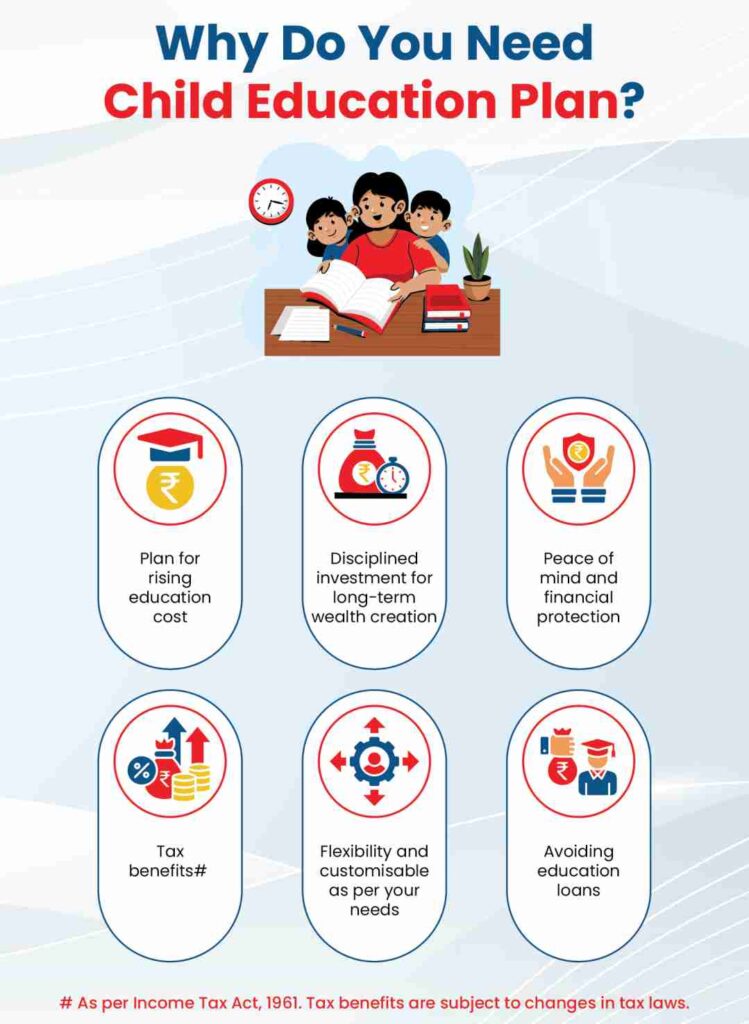
    Why Do You Need a Child Education Plan?

    Education costs in India are increasing by nearly 10% every year. Whether your child dreams of becoming a doctor, engineer, or pursuing higher studies abroad, planning early is crucial.

    A Child Education Policy ensures:

    • Financial stability for your child’s education.
    • Guaranteed funds for school, college, or professional courses.
    • Protection against financial disruptions due to unforeseen events.
    • Tax-saving benefits under Section 80C and 10(10D) of the Income Tax Act.

    Types of Child Education Insurance Policies

    There are mainly two types of child plans available in India:

    1. Child ULIP (Unit Linked Insurance Plan)
      This combines investment and insurance. A portion of your premium goes towards life cover, while the rest is invested in equity or debt funds. It helps you grow wealth over time for your child’s education.
    2. Child Endowment Plan
      This plan offers guaranteed returns with minimal risk. It is ideal for parents who prefer financial security and steady growth rather than market-linked returns.

    Child Education Insurance Policy

    Key Benefits of Child Education Insurance

    • Financial Security: Your child’s education remains unaffected by life’s uncertainties.
    • Waiver of Premium: In case of the policyholder’s death, the insurer pays future premiums.
    • Goal-Oriented Savings: Funds are released at important stages like school, graduation, and post-graduation.
    • Tax Benefits: Premiums paid are eligible for tax deductions under the Income Tax Act.
    • Flexible Payout Options: Choose between lump sum or regular payouts based on educational milestones.

    How to Choose the Best Child Education Plan

    When selecting a policy, consider the following factors:

    1. Coverage Amount: Estimate your child’s future education cost (including inflation).
    2. Policy Term: Align it with your child’s age and educational goals.
    3. Premium Affordability: Choose a plan that fits your current income and long-term budget.
    4. Returns and Bonuses: Compare returns across insurers using platforms like KaroInsure.
    5. Insurer Reputation: Always choose an IRDAI-registered insurer with a strong claim settlement ratio.

    Example of How It Works

    Suppose you buy a child education plan for ₹10 lakh when your child is 5 years old, with a 15-year term.
    If you pass away during the policy term, your child receives immediate financial support, and the insurer continues to invest on your behalf. When your child turns 20, they receive the full ₹10 lakh maturity benefit — ensuring uninterrupted education.


    Why Buy Through KaroInsure

    Buying a Child Education Insurance Policy through KaroInsure ensures complete transparency and peace of mind. The platform helps you:

    • Compare child plans from India’s top insurance companies.
    • Get personalized recommendations based on your goals and budget.
    • Access expert assistance to understand features and returns.
    • Purchase securely with verified, IRDAI-approved insurers.

    With KaroInsure, you make confident, well-informed financial decisions for your child’s future.


    Child Education Insurance Policy

    Tips to Maximize Your Child Education Policy Benefits

    • Start early to maximize compounding benefits.
    • Review your policy every few years.
    • Choose add-ons like accidental death or disability riders for extra protection.
    • Use bonuses and maturity payouts wisely — only for education purposes.

    Conclusion

    Your child’s education is one of the most valuable investments you’ll ever make. A Child Education Insurance Policy ensures that your child’s dreams never stop — no matter what happens. By planning early and choosing the right insurer through KaroInsure, you can secure both their academic journey and financial stability.

    Start planning today and give your child the foundation they deserve for a successful future.

  • How Gen Z Is Redefining Insurance in India — The Rise of Digital-First Policies

    How Gen Z Is Redefining Insurance in India — The Rise of Digital-First Policies

    The insurance industry is changing rapidly, and much of this transformation is being driven by Gen Z insurance trends in India. This new generation of digital natives is redefining how insurance is bought and managed while challenging old ideas about financial protection. From paperless onboarding to personalized health plans, Gen Z is transforming how insurers connect with young, tech-savvy customers.


    1. A Shift From Obligation to Empowerment

    For decades, buying insurance in India was seen as a tax-saving obligation. However, Gen Z insurance in India shows a major mindset shift — young people now view insurance as empowerment.

    They buy policies because they value independence and control, not just to meet financial requirements. Gen Z sees insurance as a modern financial tool that provides freedom and security.


    Gen Z Insurance Trends in India

    2. Digital-First Behavior and Instant Access

    One of the strongest Gen Z insurance trends is the demand for instant access. This generation expects everything — from quotes to claims — to happen online, quickly and transparently.

    They prefer insurers that offer:

    • Quick comparisons and instant digital policies
    • Chat-based support and mobile-friendly dashboards
    • Transparent pricing and paperless claims

    This shift reflects how technology is redefining digital insurance for Gen Z in India.


    3. Health, Wellness, and Mental Wellbeing

    Among emerging insurance trends for young Indians, there’s growing focus on health and mental wellness. Gen Z buyers look beyond hospitalization — they want coverage for preventive care, fitness rewards, and mental health consultations.

    Insurance is no longer just about emergencies; it’s about lifestyle protection.


    4. Personalization Over One-Size-Fits-All

    Gen Z doesn’t want generic plans. They demand flexible, tailored coverage that fits their goals — from freelancers needing income protection to creators insuring their gadgets.

    This personalization wave represents the future of Gen Z insurance in India, where customization and clarity replace standard, rigid policies.


    5. Trust and Transparency

    Trust defines this generation’s relationship with insurance providers. Young Indians carefully read terms, compare reviews, and expect full clarity about exclusions and claims.

    Brands that maintain honesty and transparency earn lasting loyalty in this new era of Gen Z-driven insurance.


    6. Social Media and Financial Awareness

    Social media has become one of the most powerful tools shaping Gen Z insurance awareness in India. Through YouTube, Instagram, and finance creators, young buyers learn about premiums, coverage, and benefits in plain, relatable language.

    This accessibility has made insurance less intimidating and far more engaging for first-time buyers.


    7. Subscription and On-Demand Models

    Flexibility remains one of the strongest Gen Z insurance trends in India. Instead of long-term commitments, they prefer pay-as-you-go or on-demand policies.

    Examples include:

    • Motor insurance based on usage
    • Travel policies activated per trip
    • Event-based or gadget microinsurance

    These models make insurance affordable and relevant for the modern lifestyle.


    Gen Z Insurance Trends in India

    8. Eco-Conscious and Ethical Choices

    Sustainability also influences how young Indians choose their insurers. Companies offering paperless policies, green incentives, and eco-friendly practices attract Gen Z buyers who want their values reflected in their financial choices.


    9. Integration With Digital Ecosystems

    Insurance today is part of a connected digital lifestyle. Many Gen Z consumers expect integration with health apps, wallets, and wearables — a defining trend in modern insurance for Gen Z.

    This seamless connectivity makes policies easier to manage and encourages preventive, data-driven wellness.


    10. Balancing Technology and Human Empathy

    While Gen Z prefers automation, they still value empathy when it matters most. The best insurers will balance AI-driven convenience with human support during claims or emergencies.

    This hybrid approach represents the next phase of Gen Z insurance innovation in India.


    Conclusion

    The future of India’s insurance market is being reshaped by a generation that values clarity, speed, and personalization. Gen Z insurance trends in India reveal a new era of trust and technology — one where insurers must adapt to win loyalty through simplicity, transparency, and purpose.

    For insurers, this is not just a demographic shift — it’s a mindset revolution.

  • Why Most Indians Delay Buying Insurance — The Psychology Behind Financial Decisions

    Why Most Indians Delay Buying Insurance — The Psychology Behind Financial Decisions

    In India, insurance is often treated like a low-priority item on the financial checklist — something to think about “later.” Despite rising awareness, only a fraction of the Indian population has adequate life or health coverage. According to IRDAI data, India’s insurance penetration remains significantly lower compared to global averages.

    But why do so many Indians delay buying insurance even when they know it’s important? The answer lies not just in income or affordability but in psychological behavior, cultural attitudes, and financial perceptions that shape how Indians make money-related decisions.

    This article explores the psychology behind why Indians delay buying insurance, the emotional and social barriers involved, and what can be done to change this mindset.


    1. The Cultural Mindset: “It Won’t Happen to Me”

    One of the strongest psychological factors influencing financial decisions in India is optimism bias — the belief that negative events are less likely to happen to oneself.

    Many people think accidents, illnesses, or untimely deaths are distant possibilities that only affect others. This overconfidence creates a false sense of security. When life is going well, people assume it will continue that way, leading them to postpone crucial steps like buying insurance.

    Culturally, Indian families often rely on collective support systems — parents, siblings, or extended relatives — to provide financial help in emergencies. This informal safety net reinforces the belief that formal insurance is unnecessary.

    However, as nuclear families and independent lifestyles grow, this traditional backup system is fading fast. Yet, the “it won’t happen to me” mindset continues to delay timely financial protection.


    why Indians delay buying insurance

    2. Lack of Financial Literacy and Understanding

    Another major reason Indians delay insurance is poor financial literacy. Many people still see insurance purely as a tax-saving tool, not as a financial safety instrument.

    During tax season, insurance agents experience a surge in policy sales. But once the financial year ends, interest drops sharply. This behavior shows that insurance is often seen as an obligation — not a necessity.

    Most Indians do not fully understand:

    • The difference between term plans and investment-linked plans
    • The importance of early purchase for lower premiums
    • The compounding benefits of long-term health coverage

    Without this understanding, they either delay decisions or buy the wrong products.

    Improving financial education in schools, workplaces, and through media can play a vital role in changing these misconceptions.


    3. Procrastination and Emotional Avoidance

    Procrastination is a universal human behavior, but it takes a deeper form when it comes to financial matters. Buying insurance requires one to think about illness, accidents, and death — topics that trigger discomfort and fear.

    For many, avoiding emotional discomfort feels easier than facing reality. So they postpone buying insurance with excuses like:

    • “I’ll buy it when I start earning more.”
    • “I’m still young and healthy.”
    • “Let me first finish paying my loans.”

    This emotional avoidance leads to decision paralysis, where people keep delaying action despite knowing it’s the right choice.

    Behavioral finance studies show that individuals often prioritize instant gratification (like spending on travel, gadgets, or dining out) over long-term security, because the benefits of insurance are intangible and in the future.


    4. The Complexity of Insurance Products

    Insurance documents are often filled with jargon — premiums, exclusions, riders, maturity values, and waiting periods. The sheer complexity discourages people from making quick decisions.

    Many Indians feel overwhelmed by too many choices and confusing terms. This leads to what psychologists call “choice overload.” When faced with too many options, people tend to avoid making any decision at all.

    Also, the lack of trust in agents or online platforms adds to the hesitation. Many fear being misled or “trapped” in long-term commitments that don’t serve their interests.

    The solution lies in transparency and simplicity — insurers and financial advisors should explain policies in clear, relatable language with real-life examples.


    5. Social Influence and Peer Behavior

    In India, financial decisions are deeply influenced by what others around us do. If peers, colleagues, or family members are not actively buying insurance, individuals feel less urgency to do so themselves.

    There’s also a tendency to follow collective norms rather than independent thinking. For instance, when people see friends investing in gold, real estate, or mutual funds, they tend to do the same — even if insurance would provide better security for their situation.

    This herd mentality extends to how people perceive the “right time” to buy insurance. Often, they wait until marriage, parenthood, or a health scare before taking action — by which time premiums have increased, or coverage options are limited.

    Changing this behavior requires positive role models and public awareness campaigns that normalize early insurance adoption.


    6. Income Priorities and Misplaced Spending

    Even when people can afford insurance, they often prioritize short-term expenses over long-term protection. Modern consumerism encourages spending on lifestyle upgrades rather than savings or safety nets.

    Many young professionals prefer to buy cars, smartphones, or fashion items before considering insurance. Since insurance doesn’t give visible or immediate returns, it feels less rewarding compared to tangible purchases.

    This is known as “present bias” — a cognitive bias where people overvalue current pleasures and undervalue future security.

    The result: individuals delay purchasing insurance until it becomes absolutely necessary — often after witnessing a medical emergency or financial loss in their circle.


    why Indians delay buying insurance

    7. Trust Deficit and Negative Past Experiences

    Trust plays a crucial role in financial decision-making. Many Indians have grown skeptical due to past experiences of claim rejections, hidden charges, or poor customer support.

    Stories of delayed hospital reimbursements or rejected life insurance claims spread quickly through word-of-mouth, creating fear and hesitation.

    Insurers and agents must rebuild confidence through:

    • Clear communication about inclusions and exclusions
    • Transparent claims processes
    • Consistent customer support and digital accessibility

    Trust-building is a slow process, but it’s essential to encourage people to make timely insurance decisions.


    8. Generational and Psychological Gaps

    Older generations often believed in saving through fixed deposits, gold, or real estate — tangible assets that could be “seen and touched.” Insurance, being an intangible product, didn’t appeal to their traditional financial mindset.

    On the other hand, younger generations, though more aware, are often caught between financial aspirations and lifestyle goals. While they understand the importance of insurance, many feel they can “do it later” once their income stabilizes.

    Bridging this gap requires financial storytelling — real-life case studies showing how insurance protects families from financial disasters and how early investment makes a difference.


    9. Changing Trends: A Shift Toward Awareness

    Despite these psychological and social barriers, the mindset is slowly changing. The COVID-19 pandemic served as a wake-up call, reminding people of life’s unpredictability and the importance of financial preparedness.

    Post-pandemic data shows a sharp rise in health and term insurance purchases, especially among urban and tech-savvy populations. Digital insurance platforms have simplified comparisons, claims, and renewals — making it easier for people to make informed decisions.

    Still, rural and semi-urban areas need continued awareness programs, simplified policies, and trust-building initiatives to ensure inclusivity in India’s insurance ecosystem.


    10. How to Overcome the Delay and Act Now

    If you’ve been delaying buying insurance, consider these steps:

    1. Start early – The earlier you buy, the lower your premium and the longer your coverage.
    2. Understand your needs – Evaluate your family’s financial goals, health history, and income stability.
    3. Choose simplicity – Opt for transparent, easy-to-understand policies with clear benefits.
    4. Set reminders – Treat insurance renewal like paying a utility bill — essential and non-negotiable.
    5. Consult experts – Seek advice from certified financial planners, not just sales agents.

    Taking these steps can help you secure financial stability and peace of mind for yourself and your family.


    Conclusion

    The delay in buying insurance among Indians is not merely a financial issue — it’s a psychological and cultural phenomenon. Factors like optimism bias, procrastination, social influence, and emotional avoidance all play a role in this behavior.

    However, with rising awareness, better digital platforms, and improved transparency, Indians are gradually recognizing that insurance is not an expense — it’s an investment in financial security and peace of mind.

    The key lies in understanding the value of protection before a crisis forces you to. As the saying goes, “The best time to buy insurance was yesterday; the next best time is today.”

  • How to Avoid Insurance Frauds

    How to Avoid Insurance Frauds

    Insurance is meant to provide peace of mind — a safety net during life’s uncertainties. However, with the growing reach of digital platforms and online transactions, insurance frauds in India have become increasingly common. From fake agents to misleading offers, these scams can cause significant financial and emotional loss.

    To help policyholders stay protected, KaroInsure emphasizes the importance of awareness and secure buying practices. Let’s explore how you can identify, prevent, and avoid insurance frauds effectively.


    What Is Insurance Fraud?

    Insurance fraud happens when someone intentionally deceives a policyholder or an insurer for financial gain. It can be committed by individuals, fake agents, or even organized groups. In India, these scams target both buyers and companies, leading to massive losses each year.

    Common examples include selling fake policies, forging claim documents, misusing personal data, or promising unrealistic returns.


    How to Avoid Insurance Frauds

    Common Types of Insurance Frauds in India

    1. Fake Policy Sellers
      Fraudsters often impersonate authorized agents and offer “discounted” or “exclusive” insurance plans. They collect premiums but never issue genuine policies.
    2. Phishing and Online Scams
      Many victims receive emails or SMS messages with fake links resembling those of official insurers. Once clicked, these links steal personal or banking details.
    3. False Claims
      In motor or health insurance, some people submit exaggerated or falsified claim documents to get higher payouts. These fraudulent activities lead to increased premiums for genuine policyholders.
    4. Identity Theft
      Criminals may use stolen PAN or Aadhaar information to purchase or claim insurance fraudulently.
    5. Third-Party Callers and Bonus Scams
      You might get a call claiming to be from your insurer or IRDAI, promising “policy bonuses” or “cashbacks.” These are scams designed to obtain sensitive information.

    How to Identify a Fraudulent Insurance Offer

    Spotting insurance frauds isn’t difficult if you stay alert. Be cautious of:

    • Offers that sound “too good to be true.”
    • Payments requested to personal accounts or wallets.
    • Agents who cannot provide an IRDAI registration number.
    • Policies without official acknowledgment or receipts.
    • Urgent calls pressuring you to “act immediately.”

    Before making any payment, confirm the agent’s details through the IRDAI official website or trusted platforms like KaroInsure, which only works with verified insurers.


    Steps to Avoid Insurance Frauds

    1. Buy Only from Verified Sources
      Always purchase your policy through authorized insurers or registered brokers like KaroInsure. Every insurer associated with KaroInsure is approved by the IRDAI.
    2. Verify Agent Details
      Ask for the IRDAI license number of any agent you deal with. You can verify it on the IRDAI website (you can add an internal link here to your future blog on “Understanding IRDAI’s Role in Insurance Regulation”).
    3. Do Not Share Personal Details Publicly
      Avoid sharing your PAN, Aadhaar, or bank information unless you are dealing directly with a verified insurer.
    4. Read Policy Documents Carefully
      Never sign incomplete or blank forms. Review every clause, exclusion, and benefit before making payment.
    5. Use Secure Payment Methods
      Make payments only through official payment gateways. Always keep transaction receipts and confirmation emails.
    6. Avoid Phishing Links
      Do not click on links sent through unknown emails or messages. Visit the insurer’s official website manually or through KaroInsure’s verified portal.
    7. Regularly Check Policy Status
      Log into your insurer’s portal or KaroInsure dashboard to ensure your policy remains active and genuine.
    8. Report Suspicious Activity
      If you suspect any fraud, immediately contact your insurer’s customer care or file a complaint with IRDAI’s Grievance Cell.

    How to Avoid Insurance Frauds

    How KaroInsure Helps You Stay Protected

    KaroInsure is more than just an insurance broker — it’s a trusted partner ensuring transparency at every step. The platform helps users:

    • Compare verified policies from top insurers.
    • Receive clear, unbiased advice from experts.
    • Avoid fake offers and scams through secure digital processes.
    • Access all policy documents safely in one dashboard.

    By purchasing through KaroInsure, you reduce the risk of being targeted by fraudsters while enjoying a seamless insurance experience.


    Why Awareness Is the Best Defense

    In most fraud cases, lack of awareness plays a major role. Understanding how legitimate insurers operate can help you make safer choices. For example, no genuine company will ever demand cash payments or personal transfers. Similarly, official communication always comes from verified email addresses and contact numbers.

    By staying informed, you can protect yourself, your family, and your finances.


    Conclusion

    Insurance frauds can happen to anyone — but they can also be avoided with vigilance and the right knowledge. Always verify sources, avoid sharing personal details, and work only with IRDAI-approved platforms like KaroInsure.

    Your awareness and caution are your strongest shields against insurance fraud. Stay informed, stay secure, and let KaroInsure help you make confident, fraud-free insurance decisions.

  • Commercial Vehicle Insurance – A Must for Every Business | KaroInsure

    Commercial Vehicle Insurance – A Must for Every Business | KaroInsure

    Running a business often means relying on vehicles — for deliveries, logistics, or employee transport. Whether you own a single car or an entire fleet, your vehicles are a vital business asset. But what happens if one of them is damaged in an accident, stolen, or causes third-party injury?
    That’s where Commercial Vehicle Insurance comes in — offering essential protection for your business operations and financial stability.


    What Is Commercial Vehicle Insurance?

    Commercial Vehicle Insurance is a type of motor insurance designed to cover vehicles used for business or commercial purposes. It protects your business from potential financial losses due to accidents, theft, natural disasters, or third-party liabilities.

    Unlike private car insurance, which covers personal vehicles, commercial vehicle insurance is meant for business-owned vehicles — such as trucks, taxis, vans, buses, delivery vehicles, or company cars.


    Commercial Vehicle Insurance

    Why Is Commercial Vehicle Insurance Important?

    1. Legal Requirement:
      In India, it is mandatory under the Motor Vehicles Act to have at least third-party liability insurance for all vehicles, including commercial ones. Without valid insurance, you can face heavy fines or even legal action.
    2. Financial Protection:
      Accidents can happen anytime. Repairing a commercial vehicle or compensating third parties can cost lakhs. Insurance ensures that your business doesn’t bear these expenses directly.
    3. Covers Employee Drivers:
      If your driver or employee meets with an accident during business operations, the policy covers injuries, medical costs, or death compensation.
    4. Business Continuity:
      With insurance, you can quickly recover damages, repair or replace vehicles, and get back to operations without major financial disruptions.

    Types of Commercial Vehicle Insurance

    There are mainly two types of commercial vehicle insurance policies in India:

    1. Third-Party Liability Only

    This covers:

    • Injury or death of a third party due to your insured vehicle
    • Damage to third-party property

    However, it does not cover damage to your own vehicle.

    2. Comprehensive Policy

    A comprehensive plan covers both:

    • Third-party liabilities
    • Own vehicle damages due to fire, theft, accidents, natural calamities, or vandalism

    Businesses usually prefer this type for full protection.


    Commercial Vehicle Insurance

    Coverage Under Commercial Vehicle Insurance

    A comprehensive policy generally includes:

    • Accidental damages to the insured vehicle
    • Theft or total loss of the vehicle
    • Fire, explosion, or lightning damage
    • Natural disasters like floods, earthquakes, or storms
    • Third-party injury, death, or property damage
    • Personal accident cover for the owner-driver

    You can also add extra protection with add-on covers like:

    • Zero depreciation cover
    • Roadside assistance
    • Engine and gearbox protection
    • Return-to-invoice cover

    What’s Not Covered? (Exclusions)

    It’s equally important to know what your policy won’t cover:

    • Normal wear and tear
    • Driving without a valid license
    • Using the vehicle for illegal activities
    • Drunk driving
    • Consequential losses or mechanical breakdowns
    • Damages outside the geographical area (unless extended coverage is taken)

    Who Should Buy Commercial Vehicle Insurance?

    This insurance is essential for:

    • Fleet owners and transport companies
    • Logistics and delivery businesses
    • Taxi and ride-sharing operators
    • Manufacturers and traders using goods carriers
    • Construction businesses using heavy vehicles

    Even if your business owns just one commercial vehicle, insurance is crucial.


    Benefits

    • Comprehensive risk protection
    • Compliance with legal norms
    • Peace of mind for business owners
    • Coverage for drivers and employees
    • Financial stability during unforeseen events

    How to Choose the Right Policy

    When comparing commercial vehicle insurance plans, consider:

    1. Coverage Scope:
      Check if it covers own damages, third-party liabilities, and driver protection.
    2. Add-on Options:
      Select add-ons that match your business use (e.g., roadside assistance for delivery vehicles).
    3. Claim Settlement Ratio:
      Always check the insurer’s claim performance.
    4. Premium vs. Coverage Value:
      Don’t just go for the lowest premium — choose a policy that offers the best balance.
    5. Customer Support:
      Ensure the insurer provides quick claim support and network garage access.

    Commercial Vehicle Insurance

    How to File a Claim

    1. Inform the insurer immediately after the incident.
    2. File an FIR in case of theft or major damage.
    3. Submit documents like policy copy, registration certificate, and claim form.
    4. Get vehicle inspection done by the insurer’s representative.
    5. Receive claim settlement once verified.

    To make claims easier, maintain accurate documentation and records of your drivers and vehicles.


    Why Choose KaroInsure?

    At KaroInsure, we make insurance simple for every business. You can:

    • Compare top commercial vehicle insurance plans from leading insurers
    • Get expert assistance for claims and renewals
    • Save time and money with quick online quotes

    Our goal is to help you protect your business vehicles without hassle.


    Conclusion

    Commercial Vehicle Insurance isn’t just a legal formality — it’s a smart business investment. With rising road risks and repair costs, having the right coverage ensures that your business keeps running smoothly even after setbacks.

    If you’re a business owner in India, make sure your fleet is protected today.

  • Maternity Insurance: What’s Covered and What’s Not

    Maternity Insurance: What’s Covered and What’s Not

    Pregnancy is a joyful journey, but it can also bring unexpected financial stress due to rising medical costs in India. From prenatal checkups to hospital delivery expenses, the bills can add up quickly. That’s where this insurance comes in — a health insurance plan designed specifically to support expecting mothers and families during this special phase of life.

    At KaroInsure, we help you understand the ins and outs of maternity insurance, what’s covered, what’s not, and how to choose the right plan that fits your needs and budget.


    Maternity Insurance – What’s Covered & What Isn’t

    Understanding Maternity Insurance

    Maternity insurance is a type of health insurance policy that covers expenses related to childbirth, including pre- and postnatal care. It helps families manage hospital bills, doctor visits, and medical tests without financial strain.

    In India, many insurers now offer maternity coverage either as a standalone plan or as an add-on to existing health insurance policies. KaroInsure helps customers compare options from multiple IRDAI-approved insurers to find the best one with minimal waiting periods and maximum benefits.


    What’s Covered Under Maternity Insurance

    When choosing a maternity insurance policy, it’s important to know what’s typically included. Here are the main benefits most this plans cover:

    1. Delivery Expenses:
      Covers normal and cesarean (C-section) delivery costs, including hospital stay, nursing, and medical fees.
    2. Pre- and Postnatal Care:
      Expenses incurred for routine checkups, ultrasounds, blood tests, and medications before and after delivery.
    3. Newborn Baby Cover:
      Some plans automatically cover the newborn from day one against any congenital disease or health complications.
    4. Hospitalization Costs:
      Covers room rent, surgeon’s fees, operation theatre charges, and doctor consultations.
    5. Vaccination Expenses:
      Certain maternity policies cover baby vaccinations up to a specified period after birth.
    6. Ambulance Charges:
      Emergency ambulance services for hospital transfers are often included.

    At KaroInsure, we ensure you get a plan that provides the most comprehensive maternity insurance coverage in India — so you can focus on your baby, not the bills.


    Maternity Insurance – What’s Covered & What Isn’t

    What’s Not Covered Under Maternity Insurance

    While maternity insurance offers excellent support, it’s equally important to understand its limitations. Here are some common exclusions:

    1. Pre-existing Pregnancy:
      If you are already pregnant when buying the policy, the insurer may not provide coverage.
    2. Infertility Treatments:
      Expenses related to IVF, surrogacy, or fertility treatments are generally excluded.
    3. Voluntary Termination:
      Abortion or termination of pregnancy (unless medically necessary) is not covered.
    4. Waiting Period:
      Most maternity plans have a waiting period of 9 months to 4 years. It’s best to plan early.
    5. Non-Medical Expenses:
      Items like baby food, toiletries, or personal comfort items during hospitalization are excluded.

    KaroInsure simplifies all these terms for you so you can make an informed choice and avoid surprises at claim time.


    Why Maternity Insurance Is Important in India

    With healthcare costs rising sharply due to inflation, maternity-related expenses can be overwhelming without financial support. Here’s why this is a must-have for every growing family:

    • Financial Protection: Prevents out-of-pocket expenses during delivery.
    • Quality Care: Enables you to choose better hospitals and doctors without worrying about cost.
    • Tax Benefits: Premiums paid are eligible for tax deductions under Section 80D of the Income Tax Act.
    • Comprehensive Coverage: Includes both mother and baby in a single plan.

    At KaroInsure, our experts recommend purchasing maternity insurance early — ideally when you’re planning to start a family — to overcome the waiting period challenge.


    Maternity Insurance – What’s Covered & What Isn’t

    How to Choose the Best Maternity Insurance Plan

    Selecting the right maternity plan can be confusing with so many options in the market. Here’s a quick guide to make it easier:

    1. Check the Waiting Period:
      Choose a plan with a shorter waiting period (some insurers offer 9–12 months).
    2. Review Coverage Limit:
      Look for higher coverage amounts for delivery and newborn care.
    3. Compare Room Rent Limits:
      Ensure room rent limits align with your preferred hospital’s costs.
    4. Read the Fine Print:
      Understand exclusions, sub-limits, and terms carefully.
    5. Use a Trusted Broker:
      Platforms like KaroInsure let you compare top maternity insurance policies from multiple insurers in one place — quickly and transparently.

    Tips to Maximize Your Benefits

    • Buy early — ideally before pregnancy.
    • Choose a plan with newborn coverage.
    • Add critical illness or health riders for broader protection.
    • Renew policies on time to avoid coverage gaps.

    KaroInsure helps you customize your maternity insurance policy so that both mother and baby enjoy uninterrupted protection.

    Conclusion

    Maternity insurance gives peace of mind during one of life’s most beautiful journeys. With rising hospital costs and medical inflation, it’s smart to plan ahead. By partnering with KaroInsure, you can find a maternity insurance plan that fits your needs, offers full transparency, and ensures that your special moment is stress-free.

  • Impact of Medical Inflation on Health Insurance Premiums

    Impact of Medical Inflation on Health Insurance Premiums

    Healthcare costs in India are rising faster than ever. From hospital bills to medical tests, almost every aspect of healthcare has become more expensive in recent years. This steady rise is known as medical inflation — and it directly impacts how much you pay for your health insurance premiums.

    At KaroInsure, we help you understand how these rising costs affect your insurance and how to stay protected without overspending.


    medical-inflation-health-insurance

    What Is Medical Inflation?

    Medical inflation refers to the annual increase in healthcare expenses such as hospital charges, doctor fees, surgeries, and medicines.
    In India, this rate has been much higher than general inflation — meaning the cost of treatment is growing faster than most incomes.

    This makes it important to regularly review your health insurance policy and ensure your coverage keeps pace with changing costs.


    How Medical Inflation Affects Health Insurance Premiums

    Insurance companies adjust their premiums based on the expected cost of medical care. When healthcare prices rise, insurers have to increase premiums to cover higher claim payouts.

    Here’s how it affects you:

    • Higher Premiums: Policy renewal premiums go up to match the increased claim costs.
    • Reduced Coverage Value: The same coverage may not be enough to cover today’s hospital bills.
    • More Frequent Policy Upgrades: You might need to enhance your sum insured to stay fully protected.

    By understanding these factors, you can make better decisions while renewing your health plan.


    medical-inflation-health-insurance

    Why Premiums Keep Rising Each Year

    Several reasons contribute to the increase in premiums:

    1. Costlier Medical Treatments – Advanced technologies and procedures raise overall costs.
    2. Increase in Lifestyle Diseases – Conditions like diabetes and heart disease are becoming more common.
    3. Higher Hospitalization Rates – More people are opting for private healthcare facilities.
    4. Aging Population – Older age groups have higher claim ratios, affecting premiums overall.

    How to Manage the Impact of Medical Inflation

    You can’t control medical inflation — but you can reduce its impact on your wallet.
    Here’s how:

    • Choose a Higher Sum Insured: Upgrade your coverage every few years.
    • Opt for a Family Floater Plan: It’s cost-effective and provides wider protection.
    • Compare Policies Before Renewal: Use KaroInsure to find plans with the best coverage-to-cost ratio.
    • Look for No-Claim Bonus Benefits: Many insurers increase your coverage for every claim-free year.

    KaroInsure helps you compare and renew plans easily — ensuring your family stays protected even when costs rise.


    medical-inflation-health-insurance

    Conclusion

    Medical inflation is real and unavoidable — but with the right planning, you can safeguard your finances.
    Stay informed, review your policy regularly, and use KaroInsure to find the best health insurance plans that balance affordability and coverage.

    Secure your future healthcare today, because staying ahead of inflation starts with being insured.

  • How to Compare Insurance Policies the Right Way

    How to Compare Insurance Policies the Right Way

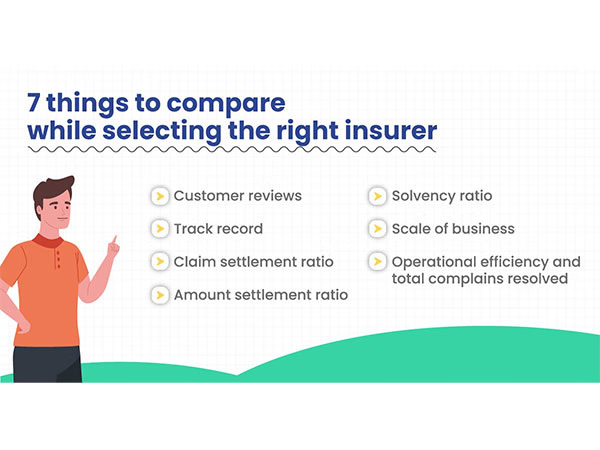
    Choosing the right insurance plan is one of the most important financial decisions you’ll make. With so many insurers and options available, it can be confusing to know which policy truly fits your needs. This is where learning how to compare insurance policies the right way becomes essential.

    At KaroInsure, we simplify the process—helping you find the best coverage at the most affordable rates. Let’s understand how to make the smartest comparison before you buy.


    How to Compare Insurance Policies the Right Way

    1. Identify Your Needs First

    Before comparing plans, determine what you actually need.
    Are you looking for health insurance, life coverage, or vehicle protection?
    Understanding your goals—whether it’s family security, medical care, or financial protection—will help you shortlist only the most relevant options.


    2. Check the Coverage Details

    Every policy is unique. When you compare insurance policies, pay close attention to:

    • Sum assured or coverage limit
    • Inclusions and exclusions
    • Waiting periods (for health plans)
    • Policy duration and renewal options

    Don’t just go by the price—make sure the coverage aligns with your lifestyle and financial goals.


    3. Compare Premiums and Benefits

    Price matters, but value matters more. Two plans may offer similar coverage but differ in premium rates and added benefits.
    Use trusted comparison tools like KaroInsure to see side-by-side differences in:

    • Premium costs
    • Rider options (like accidental or critical illness cover)
    • Claim settlement ratios

    This helps you make a fair and informed choice.


    How to Compare Insurance Policies the Right Way

    4. Review the Claim Settlement Ratio

    A policy is only as good as its claims process.
    Always check the insurer’s claim settlement ratio (CSR)—it indicates how many claims are successfully settled out of total received.
    A high CSR means greater reliability and smoother claim experiences.


    5. Read Customer Reviews and Support Options

    Customer feedback offers real insights into an insurer’s reliability. Look for reviews on claim handling, customer service, and online support.
    KaroInsure partners only with IRDAI-approved insurers known for transparency and customer satisfaction.


    6. Use Trusted Platforms Like KaroInsure

    At KaroInsure, you can compare insurance policies from top insurers in India—all in one place.
    Our platform ensures:

    • Transparent premium breakdowns
    • Expert advice from certified professionals
    • Easy-to-understand comparisons

    This saves you both time and money.


    Compare insurance policies

    Conclusion

    Comparing insurance policies doesn’t have to be complicated. With the right approach, you can confidently find a plan that fits your needs and budget.
    In 2025, make smarter financial decisions—compare, understand, and choose the right insurance policy with KaroInsure.

  • Renewing Your Car Insurance: A Step-by-Step Guide

    Renewing Your Car Insurance: A Step-by-Step Guide

    Stay Protected with Timely Car Insurance Renewal

    Renewing your car insurance is one of the most important responsibilities of every vehicle owner. Yet, many people delay it or overlook critical steps — leading to penalties, policy lapses, or loss of coverage.

    This simple guide from KaroInsure will walk you through how to renew your car insurance quickly, safely, and without stress.


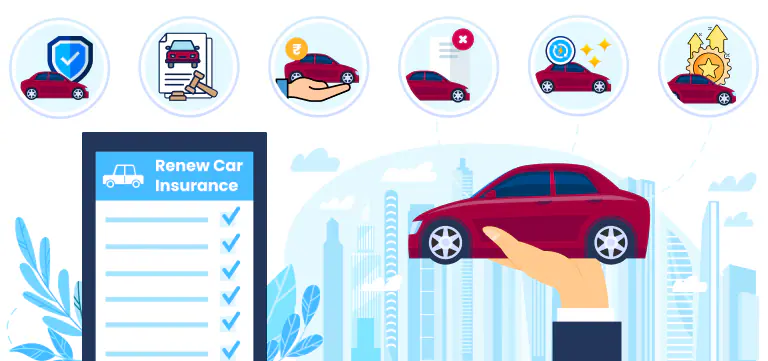
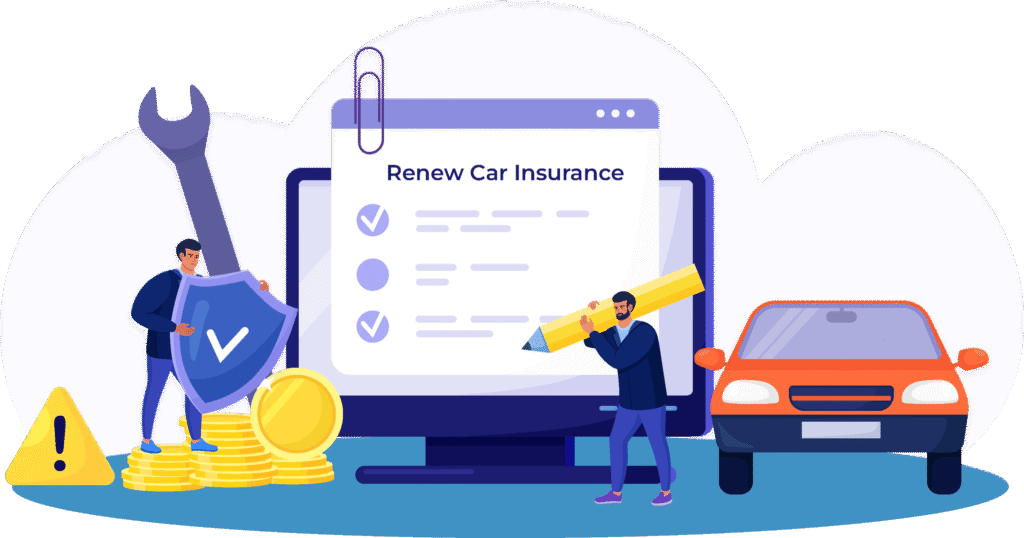
    Renewing Car Insurance

    Step 1: Check Your Current Policy Details

    Before renewing your car insurance, review your existing policy. Note the expiry date, coverage type (third-party or comprehensive), and add-ons you have chosen.

    This helps you decide whether to continue with the same insurer or switch for better benefits.


    Step 2: Compare Car Insurance Plans

    Never renew blindly. Use trusted platforms like KaroInsure to compare car insurance renewal quotes from multiple insurers. Look for:

    • Lower premiums for the same coverage
    • No Claim Bonus (NCB) benefits
    • Better add-on options such as zero depreciation or roadside assistance

    Comparing helps you find the best value for your renewal.


    Step 3: Update Your Information

    While renewing your car insurance, ensure all personal and vehicle details are accurate — such as address, contact number, and any recent modifications to your car. Incorrect details may cause issues during claim settlement.


    Renewing Car Insurance

    Step 4: Select Add-ons or Adjust Coverage

    Renewal is the perfect time to reassess your coverage. You can add useful features like:

    • Engine protection
    • Consumables cover
    • Return-to-invoice

    With KaroInsure, you can easily modify your plan before completing the renewal.


    Step 5: Review the No Claim Bonus (NCB)

    If you haven’t made a claim during your policy period, you’re eligible for a No Claim Bonus — a discount on your premium during renewal.
    Make sure this discount is applied before paying for your car insurance renewal.


    Step 6: Make the Payment Online

    Once you’ve chosen the best plan, complete the renewal payment online through secure options available on KaroInsure. You’ll instantly receive the updated policy document on your registered email.


    Step 7: Keep a Copy of Your Renewed Policy

    Always save both digital and printed copies of your renewed car insurance policy. It’s proof of coverage and essential during emergencies or police checks.


    Renewing Car Insurance

    Why Renewing Your Car Insurance on Time Matters

    Driving without valid insurance is illegal and risky. Late renewals can lead to fines, rejected claims, or even cancellation of your No Claim Bonus.

    Renewing your car insurance before it expires ensures uninterrupted coverage and peace of mind — and KaroInsure makes it quick, simple, and hassle-free.