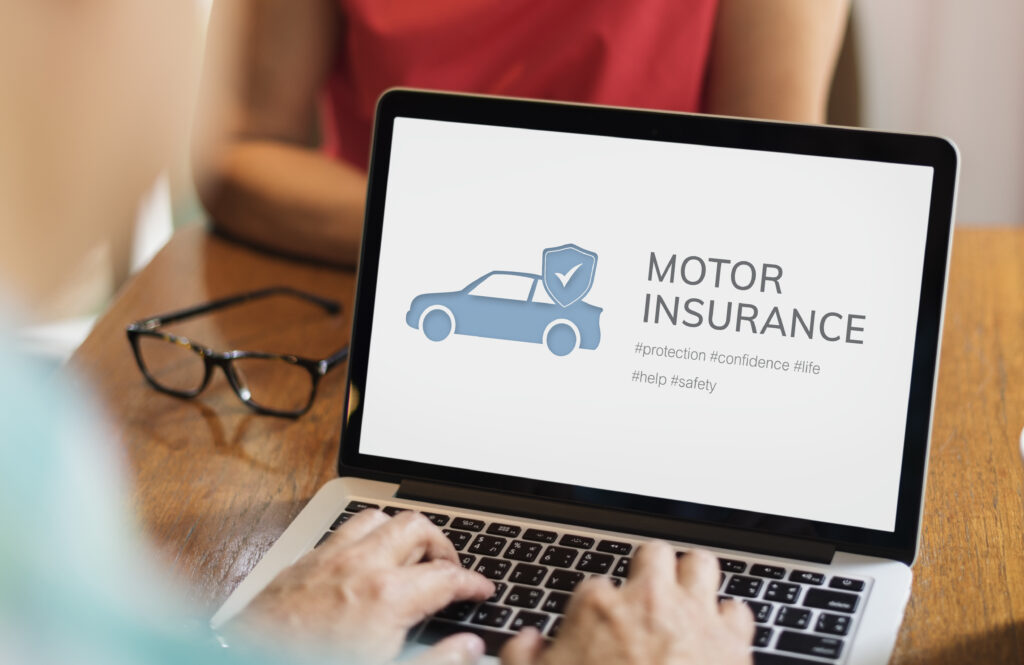

Category: Motor Insurance

Welcome to our Motor Insurance blog. Get expert advice on protecting your vehicle with the right coverage. Whether you own a car, motorcycle, or commercial vehicle, our articles help you navigate insurance options and find the best plan to suit your needs. Stay informed and ensure you’re fully protected on the road.

  • Motor Insurance 2025: What Proposed Third-Party Premium Changes Mean for Car Owners

    Motor Insurance 2025: What Proposed Third-Party Premium Changes Mean for Car Owners

    Motor insurance is a legal necessity in India in 2025. Third-party motor insurance protects others if you’re at fault in an accident, and it’s mandatory under the Motor Vehicles Act. Recently, proposals have emerged that could increase third-party premiums. If you own a car or bike, these changes will affect your renewal cost, when you purchase a new vehicle, or when you transfer ownership. It’s vital to understand what’s coming, how much more you might pay, and how to prepare smartly for Motor Insurance in 2025.


    Motor Insurance in 2025: What’s Changing in 2025

    1. Proposed Premium Hike
      Third-party motor insurance premiums are likely to increase by around 10% on average. Some categories may see larger hikes — especially commercial vehicles and high-risk zones.
    2. Why insurers are considering the increase
      • Rising accident-related compensation.
      • Higher hospitalisation and vehicle repair costs.
      • Greater claim frequency, especially in urban centres.
    3. Segments that are more likely to be affected.
      • Private cars with smaller engines may see moderate increases.
      • Commercial vehicles and taxis are likely to face larger hikes.
      • High-performance two-wheelers may also see an impact.
    4. Timing of Changes
      The proposed hike is expected to occur around late 2025 or early 2026, depending on final regulatory approval.

    Motor Insurance in 2025: What This Means for Vehicle Owners

    • Higher renewal costs: Expect to pay more at the time of renewal.
    • Budgeting for insurance becomes more critical: For families with multiple vehicles, the extra cost can add up.
    • Long-term TP policies: For new vehicles, long-term third-party cover is mandatory (3 years for cars, 5 years for two-wheelers) which means paying upfront.
    • Policy comparisons will matter more: Even small differences in premium can be significant when costs rise.

    How to Minimise the Impact

    1. Renew early to lock in current rates.
    2. Maintain a clean driving record to avoid surcharges.
    3. Select add-ons wisely — only what you truly need.
    4. Compare policies across multiple insurers to find the most cost-effective option.
    5. Consider long-term policies if buying a new vehicle.

    How KaroInsure Helps You Stay Ahead

    With KaroInsure, you don’t have to track every regulatory update yourself. The platform provides:

    • Receive timely alerts when premium hikes are announced.
    • Side-by-side comparison of policies across insurers.
    • Clear understanding of what third-party cover includes.
    • Access to long-term policy options for both cars and bikes.
    • Renewal reminders and assistance with claims.

    Conclusion

    The proposed increase in third-party motor insurance premiums is more than just a headline — it directly affects every car and bike owner in India. While a 10% rise may sound small, its impact is bigger when applied over multiple years or for families with more than one vehicle. Renewing early, comparing policies, and using KaroInsure’s tools help you stay ahead of changes and ensure full protection without overspending.


  • Karo Insure: The Complete Guide to 2 Wheeler Insurance in 2025

    Karo Insure: The Complete Guide to 2 Wheeler Insurance in 2025

    Owning a two-wheeler in India is all about freedom, convenience, and affordability. Whether you ride a scooter to work, a high-performance bike for adventure, or an electric vehicle for eco-friendly commuting, your ride deserves protection. That’s where 2 wheeler insurance comes in. At Karo Insure, we make it simple to choose the right policy for your motorcycle, scooter, or EV in 2025.

    This guide will explain the types of two-wheeler insurance, benefits, license categories like LMV and MCWG, and why buying from Karo Insure ensures complete peace of mind.


    What is 2 Wheeler Insurance?

    2 wheeler insurance is a financial protection policy designed to cover damages or losses to motorcycles, scooters, mopeds, or electric two-wheelers. It also protects you against third-party liabilities.

    For example:

    • If your scooter gets damaged in an accident, your 2 wheeler insurance policy helps cover repair costs.
    • If your bike causes injury to another person or damages their property, the insurance takes care of the financial responsibility.

    At Karo Insure, we offer tailored policies so that every two-wheeler owner—whether you ride a 100cc commuter bike or a premium superbike—can find the right protection.


    Types of 2 Wheeler Insurance Policies

    When you buy through Karo Insure, you can choose from the following types:

    1. Third-Party Liability Insurance
      • Mandatory by law under the Motor Vehicles Act.
      • Covers damages to another person, their property, or vehicle.
      • Does not cover your own bike.
      • Affordable and basic, ideal for low usage vehicles.
    2. Comprehensive Insurance
      • Covers both third-party liabilities and own vehicle damage.
      • Protection against accidents, theft, fire, floods, and natural disasters.
      • Recommended for new or high-value bikes, scooters, and electric vehicles.
    3. Standalone Own Damage Insurance
      • Covers only damages to your two-wheeler.
      • Best when paired with third-party insurance.
    4. Long-Term Two-Wheeler Insurance
      • Coverage for 2–3 years without yearly renewal.
      • Saves time and often reduces premium costs.
    5. Special Policies for Electric Vehicles (EVs)
      • EVs like e-scooters or e-bikes often qualify for discounted premiums.
      • At Karo Insure, we highlight EV-friendly insurers for eco-conscious riders.

    Add-On Covers You Can Get With Karo Insure

    • Zero Depreciation Cover – Ensures full claim settlement without depreciation cuts.
    • Roadside Assistance – Help in case of breakdowns or emergencies.
    • Engine Protection – Essential in flood-prone areas.
    • Personal Accident Cover – Protects the rider against injury or disability.

    These add-ons make your 2 wheeler insurance much more valuable, especially if you ride daily.


    2 Wheeler Insurance for Different Vehicle Categories

    At Karo Insure, we make sure every type of two-wheeler is covered:

    • Bikes & Motorcycles – From 100cc commuters to 1000cc superbikes.
    • Scooters & Mopeds – Lightweight, fuel-efficient, and widely used.
    • Electric Two-Wheelers (EVs) – Growing in popularity with eco-friendly policies.
    • Gearless Scooters – Often preferred by students and working professionals.

    License Categories and Why They Matter for Insurance

    When insuring your vehicle, your driving license type plays a role:

    • LMV (Light Motor Vehicle): Usually for cars but sometimes extended to cover small capacity two-wheelers if noted.
    • MCWG (Motorcycle With Gear): Allows you to ride motorcycles of any engine capacity with gears.
    • MCWOG (Motorcycle Without Gear): Covers gearless scooters and mopeds.

    Having the correct license ensures your insurance claims remain valid. With Karo Insure, we guide you on matching the right license with your vehicle type.


    Why Choose Karo Insure for 2 Wheeler Insurance?

    1. Quick Comparisons – Instantly check multiple insurer quotes.
    2. Tailored Policies – Plans designed for scooters, superbikes, and EVs.
    3. Easy Renewals – No paperwork, just a few clicks online.
    4. Transparent Premiums – No hidden charges.
    5. Claim Assistance – Smooth claim support to reduce hassles.

    Benefits of Buying 2 Wheeler Insurance Through Karo Insure

    • Legal Compliance: Protects you from heavy fines.
    • Financial Security: Avoids huge repair or replacement expenses.
    • Peace of Mind: Ride stress-free knowing you’re covered.
    • Special EV Discounts: Save money on eco-friendly vehicles.
    • NCB (No Claim Bonus): Save up to 50% on premiums with safe riding.

    Common Questions Answered by Karo Insure

    1. Is two-wheeler insurance mandatory in India?
    Yes, at least third-party insurance is legally required for every vehicle.

    2. Can I transfer my insurance if I sell my bike?
    Yes, ownership and insurance can be transferred with proper documentation.

    3. Do electric two-wheelers need insurance?
    Yes, EVs also require motor insurance just like petrol or diesel vehicles.

    4. How can I lower my premium?
    Maintain a good riding record, install anti-theft devices, and renew on time through Karo Insure.


    Conclusion

    Whether you ride a bike, scooter, or electric two-wheeler, 2 wheeler insurance is not optional—it’s essential. It protects you from unexpected financial burdens, keeps you legally compliant, and gives you peace of mind on the road.

    At Karo Insure, we believe in making insurance simple, transparent, and reliable. From comparing plans to renewing your policy, everything can be done online in minutes. So, safeguard your ride today with the right two-wheeler insurance and enjoy worry-free journeys in 2025.

  • Karo Insure: Everything You Need to Know About Motor Insurance in 2025

    Karo Insure: Everything You Need to Know About Motor Insurance in 2025

    Owning a vehicle today isn’t just about convenience; it’s also about responsibility. Whether you drive a car, bike, or commercial vehicle, having motor insurance is not just a legal requirement in India but also a financial safeguard. At Karo Insure, we understand that choosing the right motor insurance policy can feel overwhelming, especially with so many options in the market. That’s why we’ve created this guide to simplify things for you and help you make an informed decision in 2025.


    What Is Motor Insurance and Why Is It Important?

    Motor insurance is a financial safety net that protects vehicle owners from unexpected expenses caused by accidents, theft, natural calamities, or third-party liabilities. Think of it as a shield that not only secures your vehicle but also saves you from hefty legal or repair costs.

    With Karo Insure, the process of buying motor insurance is straightforward, transparent, and hassle-free. You get access to multiple plans, quick comparisons, and genuine advice—all in one place.


    Types of Motor Insurance Plans at Karo Insure

    Choosing the right insurance plan depends on your needs and budget. Here are the main types:

    1. Third-Party Liability Insurance
      • Mandatory under the Motor Vehicles Act.
      • Covers damage to another person’s vehicle, property, or injury/death.
      • Affordable but offers limited protection.
    2. Comprehensive Insurance
      • Covers both third-party liability and own vehicle damage.
      • Protection from theft, fire, accidents, and natural disasters.
      • At Karo Insure, comprehensive plans are highly customizable.
    3. Standalone Own Damage Insurance
      • For people who already have third-party coverage.
      • Protects your vehicle against accidents and disasters.
    4. Add-ons and Riders
      • Zero depreciation cover
      • Roadside assistance
      • Engine protection
      • Return-to-invoice cover
      • With Karo Insure, you can easily add these riders to enhance your plan.

    Red toy car on stacked coins symbolizing savings and coverage from a reliable motor insurance company in India
    Online car insurance application

    Why Choose Karo Insure for Motor Insurance?

    This is one of the most common questions customers ask. Here’s why thousands trust Karo Insure:

    • Quick Comparisons: Instantly compare top insurance providers.
    • Transparent Pricing: No hidden costs, only clear premium details.
    • Easy Claim Support: Guidance at every step to ensure smooth claim settlement.
    • Tailored Policies: Get recommendations based on your driving habits and vehicle type.
    • Digital Convenience: Buy, renew, or track your motor insurance online without paperwork.

    Car doctor with stethoscope in a car showroom

    Benefits of Motor Insurance Through Karo Insure

    1. Financial Protection – No need to worry about repair bills after accidents.
    2. Legal Security – Stay compliant with mandatory third-party insurance laws.
    3. Peace of Mind – Drive confidently knowing Karo Insure has you covered.
    4. Wide Coverage Options – Choose from multiple insurers under one roof.
    5. Quick Renewals – No delays, just a few clicks and your policy is active.

    Common Questions About Motor Insurance (Answered by Karo Insure)

    1. Is third-party insurance enough for my car?

    It’s the minimum legal requirement, but it won’t cover your own car’s damage. Karo Insure recommends comprehensive coverage for complete safety.

    2. How much premium will I pay?

    Premiums depend on vehicle type, age, city, and add-ons. At Karo Insure, you can instantly calculate and compare premiums before buying.

    3. What if I forget to renew my policy?

    Driving without valid insurance is illegal. With Karo Insure, you get timely reminders and quick renewal options, so you’re never unprotected.

    4. Are add-ons really necessary?

    Not always, but if you live in flood-prone areas, engine protection is a smart choice. Karo Insure helps you pick the add-ons that actually add value.


    Tips to Lower Your Motor Insurance Premium

    • Install anti-theft devices.
    • Choose a higher voluntary deductible.
    • Avoid unnecessary claims for small repairs.
    • Compare multiple policies on Karo Insure before finalizing.

    Conclusion: Drive Confidently with Karo Insure

    Motor insurance is more than just a legal formality; it’s your financial safety net. With Karo Insure, you don’t just buy a policy—you buy peace of mind. Whether you want third-party cover, comprehensive insurance, or add-ons, Karo Insure ensures you get the best deal without confusion.

    So, if you own a car, bike, or commercial vehicle in 2025, make sure you secure it with the right motor insurance through Karo Insure.

  • Complete Guide to Car Insurance, Motor Insurance, and Vehicle Insurance

    Complete Guide to Car Insurance, Motor Insurance, and Vehicle Insurance

    Table of Contents

    • Introduction to Car Insurance, Motor Insurance, and Vehicle Insurance
    • What is Car Insurance and Why Auto Insurance is Important?
    • Types of Car, Motor, and Vehicle Insurance Plans
    • Benefits of Car Insurance, Motor Insurance, and Automobile Insurance
    • How Insurance Premiums are Calculated
    • Car Insurance vs Motor Insurance vs Vehicle Insurance: Key Differences
    • Tips to Choose the Best Car Insurance Policy
    • Claim Process Explained
    • Frequently Asked Questions about Car Insurance and Vehicle Coverage
    • Conclusion: Why Auto Insurance is Essential

    Introduction to Car Insurance, Motor Insurance, and Vehicle Insurance

    Auto insurance, also known as motor or vehicle insurance, is a policy that provides financial protection against accidents, theft, or damage to your vehicle. Having coverage for your car or motor vehicle is not only a legal requirement in many places but also crucial for ensuring safety for both the driver and others on the road.


    What is Car Insurance and Why Auto Insurance is Important?

    Car insurance, often referred to as automobile insurance, is an agreement between you and an insurer that provides financial support in case of accidents, theft, or damage to your vehicle. Whether it’s called motor insurance or auto protection, having a valid policy is vital for complying with traffic laws and avoiding expensive repair costs. Without adequate coverage, drivers risk heavy fines, personal liability, and large out-of-pocket expenses.


    Types of Car, Motor, and Vehicle Insurance Plans

    1. Third-Party Insurance Third-party insurance, also known as liability-only insurance, covers the costs associated with damages or injuries caused to others in an accident. This is the minimum required coverage in many countries.
    2. Comprehensive Insurance Comprehensive insurance, also called full coverage, provides broader protection. It not only covers third-party damages but also includes protection for your own vehicle against theft, fire, natural disasters, and accidents.
    3. Own Damage Insurance This optional add-on covers damages to your own vehicle, excluding third-party liabilities. It is usually paired with third-party coverage for more complete protection.

    Benefits of Car Insurance, Motor Insurance, and Automobile Coverage

    Car and motor insurance provide a wide range of benefits, such as:

    • Financial Protection: Covers repair or replacement costs after an accident or damage.
    • Theft and Fire Protection: Offers security in case your vehicle is stolen or damaged by fire.
    • Legal Compliance: Ensures that you’re following traffic laws and avoiding legal penalties.
    • Peace of Mind: Knowing you’re protected from unexpected costs makes driving less stressful.

    How Insurance Premiums are Calculated

    Premiums for auto insurance depend on several factors:

    • Vehicle Age and Model: Older cars may have lower premiums, but high-end or luxury cars might have higher premiums.
    • Coverage Type: A more comprehensive plan typically has higher premiums than third-party coverage.
    • Add-ons: Optional add-ons like zero depreciation or roadside assistance can influence your premium.
    • Driving History: A clean driving record may lower your premium, while past claims or traffic violations might increase it.

    To find the best value, compare providers and coverage options carefully.


    Car Insurance vs Motor Insurance vs Vehicle Insurance: Key Differences

    While the terms “car insurance” and “motor insurance” are often used interchangeably, there are subtle differences:

    • Car Insurance refers specifically to coverage for four-wheeled vehicles.
    • Motor Insurance is broader and includes coverage for two-wheelers, cars, and even commercial vehicles.
    • Vehicle Insurance is the most inclusive term, covering all types of motor vehicles, whether personal or commercial.

    Tips to Choose the Best Car Insurance Policy

    To select the right coverage for your vehicle, consider the following:

    • Compare Different Policies: Don’t settle for the first option you find. Shop around to compare premiums and coverage.
    • Check Claim Settlement Ratio: Research the insurer’s claim settlement history to ensure they are reliable and prompt in paying claims.
    • Choose Useful Add-Ons: Look for useful extras like roadside assistance or engine protection for more comprehensive coverage.
    • Balance Cost and Coverage: Choose a policy that offers good protection without being overly expensive.

    Claim Process Explained

    Filing a claim with your insurance company follows a few simple steps:

    1. Notify the Insurer: Inform your insurance provider as soon as possible about the incident.
    2. Submit Documentation: Provide necessary documents like accident reports, police records, and vehicle details.
    3. Vehicle Inspection: The insurance company will send a surveyor to inspect the damage to your vehicle.
    4. Claim Settlement: After evaluation, the insurance provider will settle your claim as per the terms outlined in your policy.

    Frequently Asked Questions about Car Insurance and Vehicle Coverage

    Q1: Is car insurance the same as vehicle insurance or auto insurance?

    Car insurance is a type of motor vehicle insurance specifically for four-wheelers, while motor insurance can cover other types of vehicles as well.

    Q2: Is third-party insurance enough?

    Third-party insurance is the legal minimum required in many places, but comprehensive coverage offers better protection and peace of mind.

    Q3: How often should I renew my car insurance?

    Car insurance typically needs to be renewed annually. Make sure to renew it on time to avoid lapses in coverage.


    Conclusion: Why Auto Insurance is Essential

    Having auto, motor, or vehicle insurance is essential for protecting yourself, your vehicle, and others on the road. It ensures compliance with the law, provides financial protection in case of accidents, and offers peace of mind knowing that you’re covered against unexpected costs. By choosing the right coverage today, you can avoid significant financial burdens in the future.