In India, lifestyle diseases are rising rapidly. With increasing cases of cancer, diabetes, and heart ailments, many families find themselves financially unprepared for long-term treatment.
Here’s why getting a critical illness cover in India is essential:
- High Treatment Costs: Major illnesses can cost lakhs in hospital bills, medicines, and follow-up care.
- Loss of Income: Serious illness often means taking months off work, leading to reduced income.
- Inflation Impact: Medical inflation in India increases healthcare costs by nearly 8–10% annually.
- Peace of Mind: You can focus on recovery without worrying about financial pressure.
How Does Critical Illness Cover Work?
The process is straightforward:
- You purchase a policy with a chosen sum insured (e.g., ₹10 lakh or ₹25 lakh).
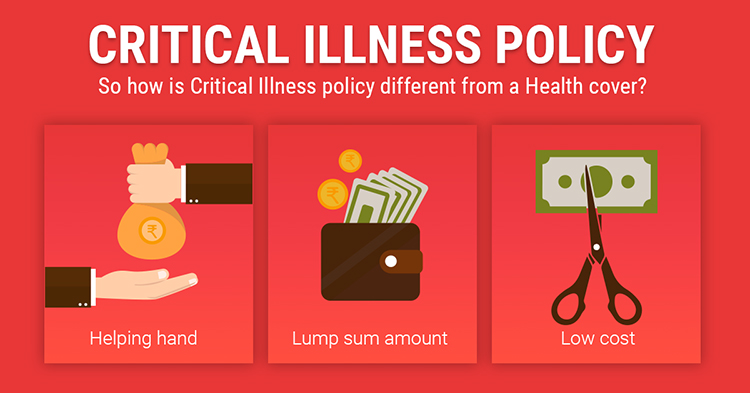
- If you’re diagnosed with any of the covered illnesses, the insurer pays the lump sum.
- You can use this amount however you choose — treatment, recovery, or financial support.
Once the payout is made, the policy usually terminates. However, some plans offer renewable or multi-claim options for different illnesses.
Diseases Covered Under Critical Illness Insurance
Most insurers in India offer coverage for 20 to 40 major diseases, including:
- Cancer
- Heart Attack
- Stroke
- Kidney Failure
- Major Organ Transplant
- Paralysis
- Multiple Sclerosis
- Coronary Artery Bypass Surgery
The list may vary slightly by insurer, so it’s crucial to read the policy document carefully.
Benefits of Having a Critical Illness Cover in India
- Financial Protection: Receive immediate financial help when diagnosed.
- Tax Benefits: Premiums qualify for deductions under Section 80D of the Income Tax Act.
- Comprehensive Coverage: Covers a wide range of life-threatening illnesses.
- Affordable Premiums: You can get high coverage at a relatively low cost.
- Flexibility: Use the payout for any need — not just hospital bills.
Difference Between Health Insurance and Critical Illness Cover
| Feature | Health Insurance | Critical Illness Cover |
|---|---|---|
| Type of Benefit | Reimburses hospitalization costs | Lump-sum payout on diagnosis |
| Coverage Duration | Annual, renewable | Fixed-term or standalone |
| Claim Trigger | Hospitalization | Diagnosis of listed illness |
| Usage | Only medical bills | Any financial need |
For maximum protection, many people combine both — a regular health plan and a critical illness rider.
Standalone Policy vs. Rider Add-On
You can buy a critical illness cover as:
- Standalone Policy: Dedicated plan with comprehensive benefits.
- Rider Add-On: Additional coverage attached to an existing life or health policy.
A standalone plan offers wider coverage, while a rider is more cost-effective for those already insured.
How to Choose the Right Critical Illness Plan
When selecting a critical illness cover in India, keep these factors in mind:
- Coverage List: Check which illnesses are included.
- Sum Insured: Choose enough coverage to handle at least 2–3 years of income.
- Waiting Period: Most policies have a 90-day waiting period.
- Survival Period: Some require survival for 30 days post-diagnosis.
- Claim Settlement Ratio: Choose an insurer with a strong claim record.
At KaroInsure, we compare all these factors to help you find the most transparent and reliable plan available.
Who Should Buy Critical Illness Cover?
- Working professionals with dependents.
- Individuals with family health history of critical diseases.
- Self-employed or entrepreneurs without a stable income source during illness.
- People above 30 looking for comprehensive financial protection.
Buying it early ensures lower premiums and broader coverage.
Conclusion
A critical illness cover in India provides much more than just financial aid — it brings peace of mind during the toughest times. With medical inflation on the rise, this coverage acts as a financial shield for you and your loved ones.
At KaroInsure, we make it easy to compare top insurers, understand benefits clearly, and choose the best critical illness plan for your needs. Don’t wait for a health scare — invest in your security today.
Leave a Reply