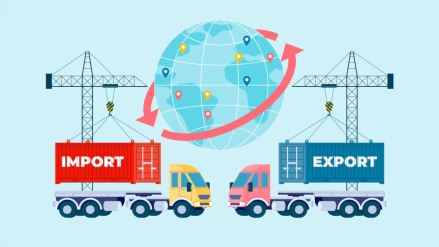
In today’s global economy, businesses rely heavily on complex supply chains that span countries, partners, and technologies. From raw material suppliers to distributors, every link plays a crucial role in ensuring smooth operations. However, even a minor disruption — like a delayed shipment, a factory fire, or a geopolitical event — can cause significant financial losses.
That’s where supply chain insurance in India steps in. This emerging insurance product helps companies recover from unexpected interruptions by covering financial losses, extra expenses, and business downtime. For businesses looking to safeguard their operations, this coverage is quickly becoming essential.
What Is Supply Chain Insurance?
Supply chain insurance provides financial protection to businesses when their supply network faces disruptions due to unforeseen events. These disruptions may include natural disasters, strikes, cyberattacks, political unrest, or supplier insolvency.
Essentially, supply chain insurance in India helps companies manage risk when external factors beyond their control impact their ability to deliver goods or services.
For example:
If a key supplier in another state or country halts operations due to flooding, and your production stops as a result, your policy could help cover lost profits or extra costs incurred in finding an alternate supplier.
Why Supply Chain Insurance Matters in India
India’s economy is growing rapidly, supported by strong manufacturing, logistics, and trade sectors. However, disruptions have also become more frequent — from global pandemics and port delays to raw material shortages.
For Indian businesses, the importance of supply chain insurance lies in:
- Business Continuity: It minimizes downtime by covering losses and recovery costs.
- Financial Protection: Helps maintain cash flow even during operational slowdowns.
- Reputation Management: Enables timely delivery and reliability despite external disruptions.
- Risk Diversification: Protects against dependence on a single supplier or region.
These benefits make supply chain insurance a vital tool for risk management in industries like manufacturing, pharmaceuticals, e-commerce, and FMCG.

Common Causes of Supply Chain Disruptions
Understanding what can go wrong is the first step in protecting your business. Common causes include:
- Natural Disasters: Floods, cyclones, or earthquakes that halt production or logistics.
- Transportation Issues: Port congestion, accidents, or road closures delaying shipments.
- Political and Trade Risks: Tariffs, sanctions, or political instability affecting imports or exports.
- Cyberattacks: Data breaches and ransomware attacks that interrupt supply chain systems.
- Labor Strikes: Factory or port worker strikes that stop production.
- Supplier Bankruptcy: Financial insolvency of a key vendor affecting supply continuity.
Having supply chain insurance in India ensures that such disruptions don’t lead to long-term business losses.
How Supply Chain Insurance Works
The structure of supply chain insurance is designed to compensate businesses for financial losses caused by supply interruptions. Here’s how it typically works:
- Risk Assessment: The insurer evaluates your supply chain, key suppliers, and exposure levels.
- Policy Selection: You choose coverage options — local, regional, or global — depending on supplier locations.
- Coverage Activation: When a disruption occurs, you file a claim supported by documentation of loss.
- Claim Settlement: The insurer reimburses for covered financial losses, such as lost revenue or added logistics costs.
Policies can be tailored based on company size, industry, and supply chain complexity.
Coverage Offered Under Supply Chain Insurance
While coverage varies by insurer, most supply chain insurance in India includes protection against:
- Business Interruption: Loss of income due to disrupted operations.
- Extra Expense Coverage: Costs incurred in finding alternate suppliers or logistics options.
- Supplier Failure: Compensation for loss due to non-performance or insolvency of a supplier.
- Political Risks: Losses arising from trade restrictions, embargoes, or political unrest.
- Natural Catastrophes: Damage or loss caused by events like floods, fires, or earthquakes.
Some policies also include cyber supply chain risks, reflecting the growing role of technology in business operations.
Benefits of Supply Chain Insurance in India
1. Ensures Business Continuity
With financial recovery support, companies can resume operations quickly after disruptions.
2. Builds Supply Chain Resilience
Encourages companies to evaluate weak links and strengthen supply networks proactively.
3. Protects Reputation
Delivering orders on time, even after disruptions, enhances brand credibility.
4. Reduces Financial Stress
Insurance coverage prevents liquidity issues during unforeseen events.
5. Supports Risk Management
Helps businesses integrate insurance into their broader risk management framework.
Industries That Need Supply Chain Insurance
Supply chain insurance in India benefits almost every sector, but it’s especially useful for:
- Manufacturing: Protects against raw material shortages or factory closures.
- Retail & E-Commerce: Covers inventory delays and delivery failures.
- Pharmaceuticals: Ensures timely distribution of medical supplies and drugs.
- Automotive: Safeguards against component supply disruptions.
- Food & Agriculture: Covers losses from transport breakdowns or climate-related issues.
As India becomes a global supply hub, businesses in these sectors are increasingly investing in such protection.
Challenges in Adopting Supply Chain Insurance
Despite its benefits, adoption of supply chain insurance in India faces challenges like:
- Low Awareness: Many businesses are unaware that such coverage exists.
- Data Gaps: Lack of transparency in supplier networks makes risk evaluation harder.
- Cost Concerns: Premiums may seem high for small and mid-sized enterprises.
- Complex Policies: Understanding exclusions and terms requires expert guidance.
These challenges can be overcome by consulting experienced insurers or digital insurance platforms like KaroInsure, which simplify comparison and policy selection.
How to Choose the Right Supply Chain Insurance Policy
When selecting a policy, businesses should consider:
- Supply Chain Mapping: Identify key suppliers and potential risk zones.
- Coverage Type: Choose between local, regional, or global protection.
- Policy Exclusions: Understand what events are not covered.
- Claim Response Time: Opt for insurers known for quick settlements.
- Customization: Ensure coverage suits your specific industry needs.
Platforms like KaroInsure can help businesses compare top supply chain insurance in India options to find the best fit.
Future of Supply Chain Insurance in India
As India integrates deeper into global trade, demand for supply chain insurance will rise. Emerging technologies such as blockchain and IoT are improving supply visibility and claim verification, making policies more efficient.
The future will likely see:
- Wider adoption among MSMEs and startups.
- Policies tailored for specific industries.
- Integration with digital supply chain tracking tools.
- Government incentives for risk management initiatives.
This evolution will strengthen India’s supply networks and make businesses more resilient.
Conclusion
In an unpredictable world, disruptions are inevitable — but financial losses don’t have to be. Supply chain insurance in India provides a crucial safety net that keeps businesses stable and operations continuous, even in times of crisis.
By protecting against supplier failure, political risks, and natural disasters, this insurance empowers companies to focus on growth rather than uncertainty.
With expert guidance from KaroInsure, Indian businesses can compare policies, understand their coverage, and secure the right plan to safeguard their supply chains from the unexpected.
Leave a Reply