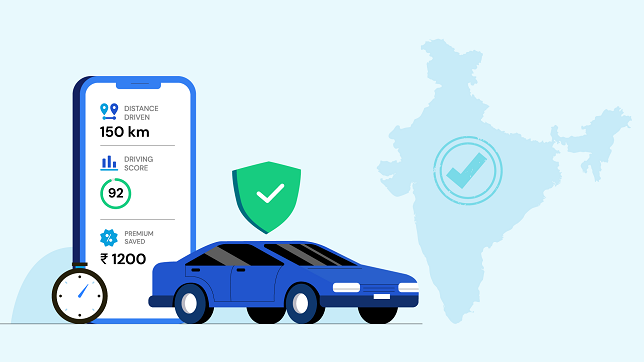
Traditional car insurance policies in India charge you a fixed premium regardless of how often you drive. But what if you could pay only for the distance you cover? That’s exactly what usage-based car insurance India offers — a smarter, fairer, and more affordable way to insure your car.
What Is Usage-Based Car Insurance?
Usage-based car insurance (UBI), also known as “Pay As You Drive” (PAYD) or “Pay How You Drive” (PHYD) insurance, is a modern insurance model that calculates premiums based on your driving behavior and distance covered.
The insurer tracks your vehicle usage through telematics devices, mobile apps, or connected car systems to determine how safely and how often you drive.
How Does Usage-Based Car Insurance Work?
When you buy a usage-based policy, your insurer installs a telematics device in your car or connects it via an app. This technology collects data such as:
- Total distance driven
- Speed patterns and braking behavior
- Time of driving (day or night)
- Route and traffic conditions
Based on this data, the insurer calculates your premium — meaning safer and less frequent drivers pay less.

Benefits of Usage-Based Car Insurance in India
- Cost Savings for Low-Mileage Drivers
If you drive occasionally or only short distances, you can save significantly on premiums compared to traditional plans. - Encourages Safe Driving
Insurers reward careful drivers with discounts or bonus points, reducing accident risks and promoting responsible driving habits. - Customizable and Transparent Pricing
You pay for exactly what you use — no hidden costs, no overpayment. - Ideal for Urban Commuters
City dwellers who use public transport or drive only on weekends can benefit the most from usage-based policies. - Technology-Driven Insights
Telematics helps monitor vehicle health and driving behavior, offering valuable data for maintenance and safety.
Who Should Opt for Usage-Based Car Insurance?
- Occasional Drivers: People who use their car rarely or have a secondary vehicle.
- Senior Citizens: Who drive short distances or less frequently.
- Work-from-Home Professionals: Who don’t commute daily.
- Car Fleet Owners: To monitor and manage driver performance efficiently.
Challenges and Limitations
While usage-based car insurance India is innovative, it’s still emerging. Some challenges include:
- Limited availability among Indian insurers.
- Dependence on consistent telematics data.
- Privacy concerns over location tracking.
However, as technology adoption grows, these challenges are quickly being addressed by insurers and regulatory bodies.

Leading Insurers Offering Usage-Based Plans in India
Several top insurers in India have started offering “Pay As You Drive” car insurance policies, such as:
- HDFC ERGO General Insurance
- ICICI Lombard
- Bajaj Allianz
- Tata AIG
- Go Digit
These companies allow policyholders to choose between distance-based or behavior-based premium models depending on driving patterns.
Future of Usage-Based Car Insurance in India
With India’s growing adoption of connected vehicles and digital insurance, usage-based car insurance is set to become the future of motor coverage. The Insurance Regulatory and Development Authority of India (IRDAI) has also supported this innovation to encourage fair and flexible insurance options.
Conclusion
Usage-based car insurance in India is transforming how people think about motor insurance. It empowers drivers to take control of their premiums, rewards responsible driving, and promotes smarter use of vehicles.
If you’re a safe, low-mileage driver, opting for usage-based car insurance India can help you save money while staying fully protected on the road.
Leave a Reply